A Guide to Starting Coated Peanuts Business in Kenya
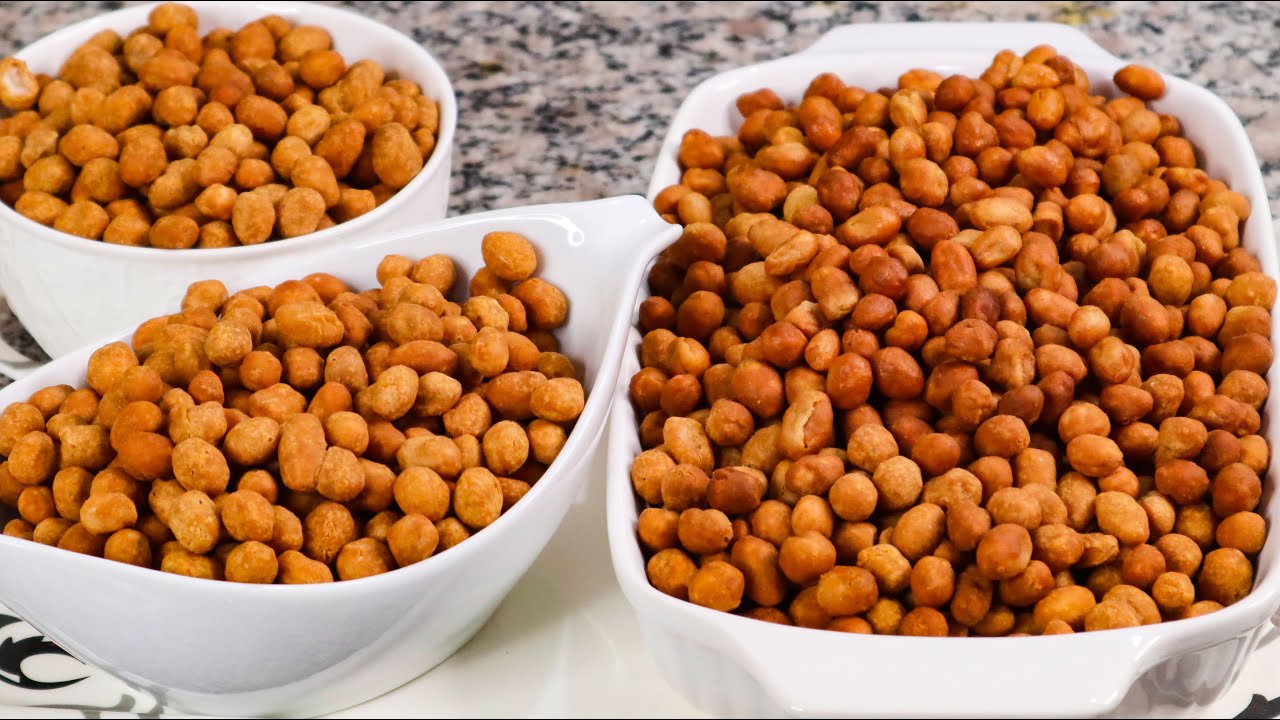
Coated Peanuts Business Venture
Here is a practical guide on how to strategically plan and allocate your KES 50,000.
Guiding Principle for Spending:
- Equipment (~40%): Invest in tools that save you time and labour, ensuring consistent quality.
- Raw Materials (~40%): Buy your initial stock in larger, more cost-effective quantities.
- Packaging & Branding (~20%): Create a professional, branded look that stands out in village shops.
Proposed Budget Allocation & Shopping List (Total: KES 50,000)
1. Equipment: The Efficiency Boosters (Approx. KES 20,000)
This is where your investment will make the biggest difference.
Total Equipment Estimate: KES 20,000
2. Raw Materials: Your First Major Stock (Approx. KES 20,000)
Buying in bulk reduces your cost per unit significantly.
Total Raw Materials Estimate: KES 20,000
3. Packaging & Branding: Look Professional (Approx. KES 10,000)
First impressions are everything on a shop shelf.
Total Packaging & Branding Estimate: KES 10,000
Your Step-by-Step Action Plan with KES 50,000
Phase 1: Procurement & Setup (Week 1)
- Secure the Equipment: Purchase all the items listed in the equipment section. Set up your production area (a clean, dedicated space at home is fine).
- Order Packaging: Finalize your brand name and get the labels designed and printed. Order the clear plastic packets.
- Source & Buy Raw Materials: Use the remaining budget to buy the raw materials in the quantities suggested.
Phase 2: Test Production & Standardization (Week 2)
- Master the Oven: Do several test batches in your new oven. Find the perfect temperature and timing for your recipes. Your goal is to find a standardised process that produces the same great result every time.
- Perfect the Packaging: Use the heat sealer to package your test batches. Weigh each packet to ensure consistency (e.g., every 50g pack has exactly 50g).
- Create a "Product Line": Settle on 2-3 flagship flavours. For example:
- Classic Sweet
- Spicy Chili
- Cinnamon Sugar
Phase 3: Market Entry & Sales (Week 3 & 4)
- Price Your Product Correctly: Calculate your cost per packet (ingredients + packaging + fuel) and add your profit margin. A 50g pack selling for KES 20-30 in village shops is a good target.
- Prepare Sales Kits: Have a box filled with samples of all your flavours in professionally sealed and labelled packets.
- Approach Shops: Visit village shops in your locality. Your pitch is now much stronger:
- "I am a local producer from [Your Area]."
- "I have a high-quality, freshly made peanut snack."
- "Here are samples of my professionally packaged products."
- Offer favourable terms: Start with a sale-or-return basis to get your foot in the door, or offer a small discount on their first order.
Phase 4: Review & Reinvest (Month 2)
- Collect feedback from the shops. Which flavour is selling fastest?
- Track your sales and expenses meticulously.
- Use your first profits to immediately restock raw materials. As your cash flow improves, you can buy even larger quantities at better prices.
This plan with KES 50,000 positions you not as a hobbyist, but as a serious small-business owner. The investment in an oven and professional packaging alone will set you far apart from competitors and allow you to build a trusted brand in Kenya