10 Most Profitable Vegetables to Grow in Kenya
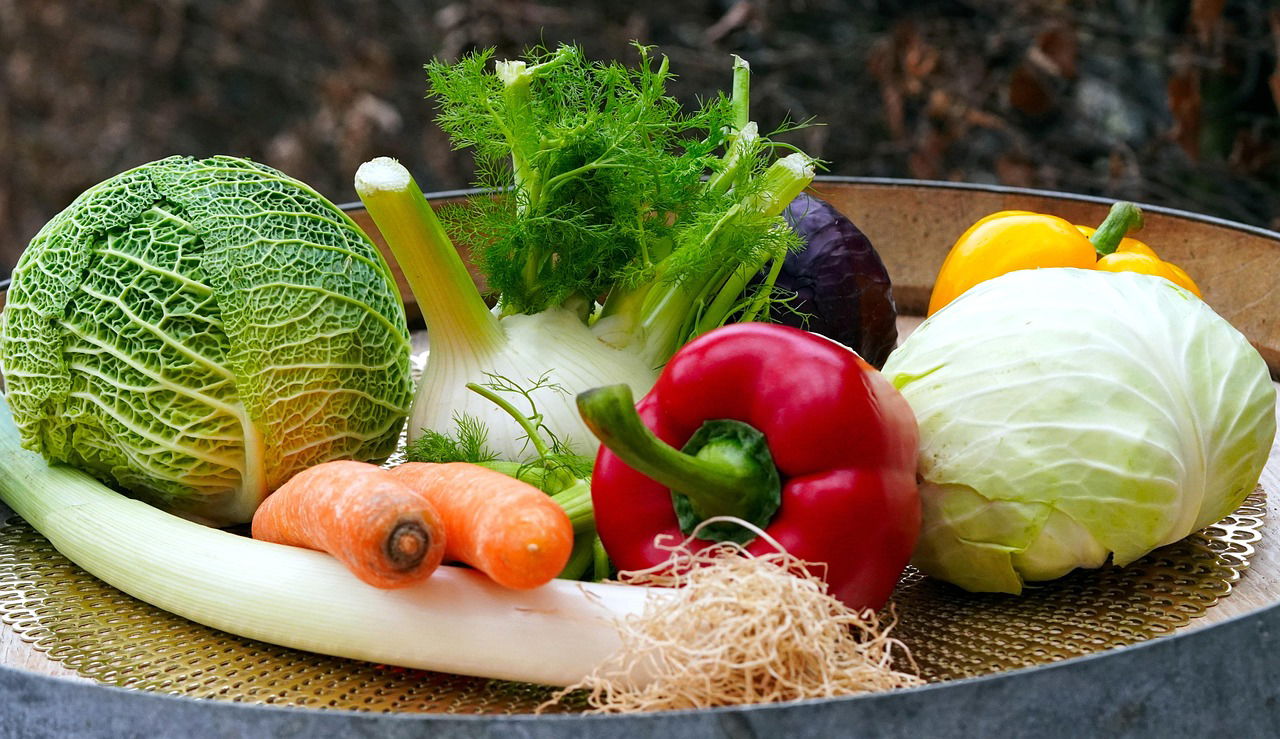
A practical guide for farmers and agribusiness entrepreneurs
Vegetable farming in Kenya remains one of the most profitable agricultural ventures because vegetables grow quickly, require relatively small land sizes, and have consistent demand in markets, hotels, and households. However, profitability depends on choosing vegetables that have strong market demand, good prices, and fast maturity periods. Below are 10 of the most profitable vegetables to grow in Kenya, especially for small and medium-scale farmers.
1. Capsicum (Sweet Pepper)
Capsicum is one of the most profitable greenhouse and open-field vegetables in Kenya.
Why It Is Profitable
- High demand in supermarkets and hotels
- Good export potential
- High market price
Growing Conditions
- Fertile, well-drained soil
- Adequate irrigation
- Best grown in greenhouses but also possible outdoors
Market Price
Capsicum can sell for:
- KSh 80 – 200 per kg
2. Tomatoes
Tomatoes are among the most widely consumed vegetables in Kenya.
Why It Is Profitable
- Huge demand across the country
- Used daily in homes, restaurants, and hotels
- Can produce large harvests
Growing Tips
- Choose disease-resistant varieties
- Use staking to improve yield
- Apply proper pest management
Market Price
Prices fluctuate depending on supply:
- KSh 40 – 150 per kg
3. Onions
Onions are a staple ingredient in almost every Kenyan kitchen.
Why They Are Profitable
- Long shelf life compared to leafy vegetables
- Strong demand year-round
- Large-scale market demand
Growing Tips
- Prefer sandy loam soils
- Require good irrigation
- Proper curing improves storage
Market Price
Typical prices range between:
- KSh 50 – 120 per kg
4. Spinach
Spinach is a fast-growing leafy vegetable with high turnover.
Why It Is Profitable
- Short maturity period (4–5 weeks)
- Continuous harvesting
- Suitable for small plots
Growing Tips
- Requires fertile soil
- Regular watering
- Harvest frequently to encourage new growth
Market Price
Typical prices:
- KSh 20 – 40 per kg
5. Sukuma Wiki (Kale)
Sukuma wiki is the most commonly consumed vegetable in Kenya.
Why It Is Profitable
- Extremely high demand
- Continuous harvesting for months
- Easy to grow
Growing Tips
- Start with seedlings
- Maintain proper spacing
- Control aphids and caterpillars
Market Price
Typical price:
- KSh 10 – 20 per bunch
6. Dhania (Coriander)
Dhania is a small crop but extremely profitable due to fast turnover.
Why It Is Profitable
- Ready in 3–4 weeks
- High demand in food businesses
- Requires little space
Growing Tips
- Plant in rows
- Maintain regular watering
- Harvest frequently
Market Price
Typical price:
- KSh 5 – 10 per bunch
7. Managu (African Nightshade)
Managu is one of Kenya’s most popular traditional vegetables.
Why It Is Profitable
- High demand in urban markets
- Popular in supermarkets and hotels
- Premium price compared to common vegetables
Growing Tips
- Requires fertile soil
- Harvest tender leaves
- Apply organic manure
Market Price
Typical prices:
- KSh 30 – 80 per bunch
8. Terere (Amaranth)
Terere is one of the fastest-growing vegetables available.
Why It Is Profitable
- Very short maturity period (about 3 weeks)
- Easy to grow
- High demand in local markets
Growing Tips
- Plant in rows or broadcast
- Thin plants for proper growth
- Water frequently
Market Price
Typical price:
- KSh 10 – 20 per bunch
9. Cabbage
Cabbage is widely grown due to its high yield and market demand.
Why It Is Profitable
- High production per acre
- Popular in markets and restaurants
- Good storage life
Growing Tips
- Requires fertile soil
- Maintain proper spacing
- Control pests such as diamondback moth
Market Price
Typical price:
- KSh 20 – 50 per head
10. Lettuce
Lettuce is a high-value vegetable especially in urban areas.
Why It Is Profitable
- High demand in fast food restaurants and hotels
- Commonly used in salads and burgers
- Premium market in supermarkets
Growing Tips
- Requires cool conditions
- Frequent watering
- Can grow well in greenhouses
Market Price
Typical prices:
- KSh 30 – 80 per head
Factors That Determine Vegetable Profitability
Even the most profitable vegetables depend on several factors:
1. Access to Water
Vegetables require consistent irrigation, especially during dry seasons.
2. Market Access
Selling directly to consumers often increases profits.
3. Pest and Disease Management
Vegetables are vulnerable to pests and require regular monitoring.
4. Crop Planning
Planting in cycles ensures continuous harvest and income.
Conclusion
Vegetable farming in Kenya offers numerous opportunities for farmers with both small and large land sizes. Crops such as capsicum, tomatoes, onions, spinach, sukuma wiki, dhania, managu, terere, cabbage, and lettuce are among the most profitable vegetables due to their strong market demand and relatively fast growth cycles. By choosing the right crops and managing them properly, farmers can generate consistent income and build a sustainable agribusiness. Even small plots of land can become highly productive when planted with high-demand vegetables that mature quickly and sell easily in the market.