10 Natural Protein Sources for Chicken Feed in Kenya (That Cost Almost Nothing)
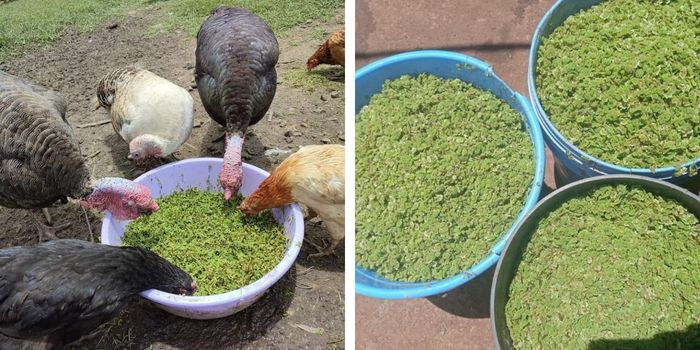
Protein is one of the most important nutrients in poultry feed. It helps chickens grow faster, produce more eggs, and maintain strong immunity. However, many commercial protein ingredients such as fishmeal and soybean meal are expensive, making poultry farming costly.
Fortunately, farmers in Kenya can access several natural and affordable protein sources that can supplement or partially replace commercial feeds.
This guide highlights 10 natural protein sources that poultry farmers can easily produce or collect, especially in rural areas.
1. Black Soldier Fly Larvae
5Black Soldier Fly larvae are one of the best natural protein feeds for chickens.
Protein content: 40–45%Benefits:
- Extremely high protein
- Easy to produce from organic waste
- Reduces feed costs significantly
- Improves growth and egg production
They can be fed fresh or dried and mixed with chicken feed.
2. Azolla
7Azolla is a small floating aquatic fern that grows very fast.
Protein content: 20–30%Benefits:
- Very cheap to produce
- Requires very small space
- Rich in vitamins and minerals
- Reduces poultry feed costs
Azolla is commonly grown in small ponds or basins and fed fresh to chickens.
3. Termites
8Termites are a traditional poultry feed used by many rural farmers.
Protein content: 35–40%Benefits:
- Free natural protein
- Chickens love them
- Improves egg production
Farmers usually collect termites from termite mounds using banana leaves or sacks.
4. Earthworms
6Earthworms are another excellent protein source.
Protein content: 60–70% (dry matter)Benefits:
- Extremely rich in protein
- Easy to grow in compost pits
- Improves chicken growth
Farmers can produce earthworms using organic waste composting systems.
5. Sunflower Seed Cake
6Sunflower cake is a by-product of sunflower oil processing.
Protein content: 28–35%Benefits:
- Widely available in Kenya
- Cheaper than soybean meal
- Good protein supplement
It is commonly mixed with homemade poultry feed.
6. Omena (Fishmeal)
5Omena (silver fish) is a popular protein ingredient in poultry feeds.
Protein content: 50–60%Benefits:
- Very high protein
- Rich in calcium and minerals
- Improves egg production
It is usually ground into fishmeal before mixing with feed.
7. Soybeans
6Soybeans are one of the best plant protein sources.
Protein content: 35–40%Benefits:
- High quality protein
- Supports rapid poultry growth
- Improves egg production
Soybeans should be roasted or cooked before feeding to destroy anti-nutrients.
8. Duckweed
4Duckweed is another fast-growing aquatic plant.
Protein content: 20–40%Benefits:
- Grows rapidly on water
- Requires little space
- Very nutritious for poultry
Like Azolla, it can be grown in small ponds or containers.
9. Amaranth Leaves (Terere)
6Amaranth leaves are widely grown in Kenya as a vegetable.
Protein content: 15–20%Benefits:
- Easy to grow
- Rich in vitamins
- Chickens enjoy eating the leaves
Farmers can grow amaranth in small backyard gardens.
10. Lucerne (Alfalfa)
6Lucerne, also known as alfalfa, is a high-protein forage crop.
Protein content: 18–25%Benefits:
- Very nutritious
- Improves egg yolk colour
- Provides vitamins and minerals
It can be fed fresh, dried, or powdered.
How Much Natural Protein Should Chickens Eat?
Natural protein sources should be used as supplements, not the main feed.
Recommended level:
- 10–30% of total feed
This helps reduce feed costs while maintaining proper nutrition.
Final Thoughts
Protein is essential for profitable poultry farming, but it does not always have to come from expensive commercial feeds.
By using natural protein sources such as Black Soldier Fly larvae, Azolla, termites, and sunflower cake, farmers can significantly reduce feed costs while keeping chickens healthy and productive.
Many successful poultry farmers combine several of these natural protein sources to create a low-cost feeding system.
With proper management, these solutions can reduce poultry feed expenses by 30–50%.