12 Practical Ways to Lower the Cost of Chicken Feed in Kenya (Without Affecting Productivity)
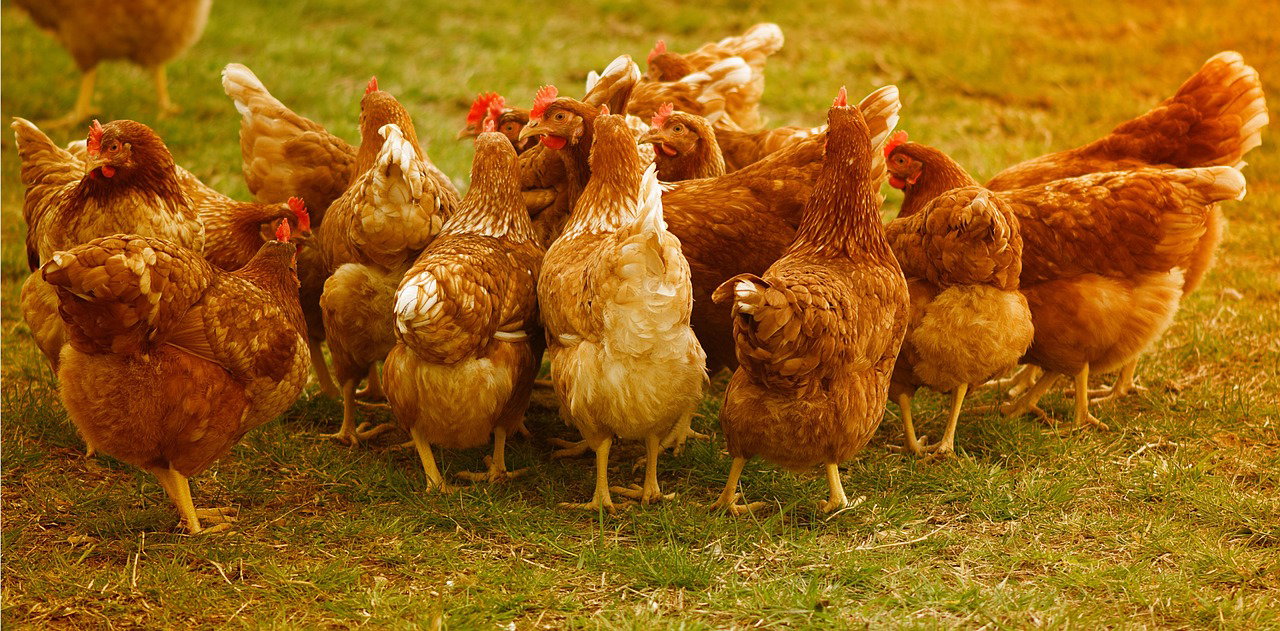
Feed accounts for 60–70% of the total cost of poultry production in Kenya. For many farmers, especially small-scale and rural poultry keepers, the rising cost of commercial feeds can make poultry farming less profitable.
The good news is that there are simple, affordable and practical ways to reduce feed costs without compromising the health and productivity of your chickens. Most of these methods use materials that are readily available in rural Kenya.
This guide explains practical strategies any poultry farmer can implement immediately to lower feeding costs and increase profits.
1. Grow Your Own Chicken Feed Ingredients
One of the best ways to cut feed costs is to produce some ingredients on your own farm.
Common feed crops you can grow include:
- Maize – energy source
- Sorghum – alternative to maize
- Sunflower – protein source
- Amaranth (Terere) – rich in nutrients
- Sweet potato vines – excellent greens for chickens
Even a small 1/8 acre garden can supply a significant portion of feed ingredients.
Example
If a farmer produces 2 bags of maize per season, that alone can replace several weeks of purchased feed.
2. Plant High-Protein Fodder Trees
Certain trees produce high-protein leaves that chickens love.
Examples include:
- Calliandra
- Leucaena
- Sesbania
- Moringa
These trees grow well in many parts of Kenya and can be planted along farm boundaries.
Benefits:
- High protein
- Improves egg production
- Reduces dependence on expensive protein feeds like fishmeal
3. Grow Azolla (Super Chicken Feed)
Azolla is a floating aquatic fern that grows rapidly and contains 20–30% protein.
Why Azolla is popular with poultry farmers:
- Grows extremely fast
- Requires very small space
- Almost zero production cost
- Rich in protein, vitamins and minerals
A 2m × 3m azolla pond can produce 1–2 kg daily, enough to supplement feed for many chickens.
4. Use Kitchen Waste and Food Leftovers
Many households throw away food that chickens can eat.
Examples include:
- Ugali leftovers
- Cooked rice
- Vegetable peels
- Sukuma wiki leftovers
- Fruits
Instead of discarding them, dry and mix them with other feeds.
This simple practice can reduce feed consumption significantly.
5. Incorporate Termites and Insects
Termites are natural high-protein feed for chickens.6Ways to collect termites:
- Break part of a termite mound.
- Place banana leaves or a sack over it.
- After a few minutes, termites gather on the cover.
- Shake them into a container and feed to chickens.
Benefits:
- Free protein source
- Improves growth rate
- Improves egg production
6. Use Black Soldier Fly Larvae (BSF)
Black Soldier Fly larvae are becoming a popular low-cost protein source. BSF larvae contain 40–45% protein and can replace expensive fishmeal.
How farmers produce them:
- Put kitchen waste in a container
- Flies lay eggs
- Larvae grow rapidly
- Harvest and feed chickens
This can reduce protein feed costs by up to 50%.
7. Allow Free Range or Semi Free Range
Allowing chickens to roam for several hours daily allows them to find their own food such as:
- Grass
- Insects
- Seeds
- Worms
This naturally supplements commercial feed.
Even 2–3 hours of free ranging per day can reduce feed consumption significantly.
8. Reduce Feed Wastage
A lot of feed is lost due to poor feeding methods.
Common mistakes include:
- Overfilling feeders
- Using shallow containers
- Feeding on the ground
Solutions:
- Use proper tube feeders
- Raise feeders slightly above ground
- Feed small amounts at a time
These measures can reduce feed wastage by 10–20%.
9. Ferment Chicken Feed
Fermenting feed improves digestion and reduces feed consumption.6Simple fermentation method:
- Put feed in a bucket
- Add water
- Cover loosely
- Leave for 24–48 hours
Benefits:
- Improves nutrient absorption
- Chickens eat less but gain more
- Reduces feed cost by 10–20%
10. Use Local By-Products
Many agricultural by-products can be used as chicken feed.
Examples available in Kenya:
- Rice bran
- Wheat pollard
- Maize germ
- Sunflower cake
- Brewers waste
These are often cheaper than commercial feed.
11. Grow Green Chicken Fodder
Chickens benefit greatly from fresh greens.
Examples:
- Napier grass (young shoots)
- Sukuma wiki leaves
- Amaranth (terere)
- Sweet potato vines
- Pumpkin leaves
Greens provide vitamins and reduce feed intake.
12. Formulate Your Own Feed
Instead of buying ready-made feed, farmers can mix their own feed using local ingredients.
Example simple layer feed mix:
- 60 kg maize
- 20 kg wheat pollard
- 10 kg sunflower cake
- 5 kg fishmeal
- 4 kg lime
- 1 kg premix
This often costs 20–30% less than commercial feeds.
Example: How a Farmer Can Cut Feed Costs by 40%
A farmer with 100 chickens can reduce costs using the following combination:
- Azolla supplement
- Kitchen waste
- Termites
- Fermented feed
- Home-made feed mix
Feed costs can drop from KSh 4,000 per month to around KSh 2,400–2,800.That means higher profit from egg or meat sales.
Final Thoughts
The secret to profitable poultry farming is controlling feed costs. Farmers who rely entirely on commercial feed often struggle with profits.
However, by using locally available materials, natural protein sources, and better feeding practices, farmers can significantly reduce expenses.
The most successful poultry farmers usually combine several of these strategies at the same time.
With creativity and proper management, poultry farming can remain one of the most profitable small-scale agribusinesses in Kenya.