20 Agribusiness Ideas That Work in Kenya
Practical opportunities for small and medium-scale entrepreneurs
Agriculture remains one of the most reliable sectors for starting a business in Kenya. With increasing demand for food, growing urban populations, and improved access to markets, agribusiness offers numerous opportunities for entrepreneurs.The best agribusiness ventures are those that require manageable startup capital, have steady market demand, and offer good profit potential.Below are 20 agribusiness ideas that work well in Kenya, especially for small and medium-scale investors.
1. Vegetable Farming
Vegetables are among the most profitable crops due to their fast growth and high market demand. Popular vegetables include:
- sukuma wiki
- spinach
- tomatoes
- onions
- cabbage
- dhania
Small plots of land can generate consistent income with proper management.
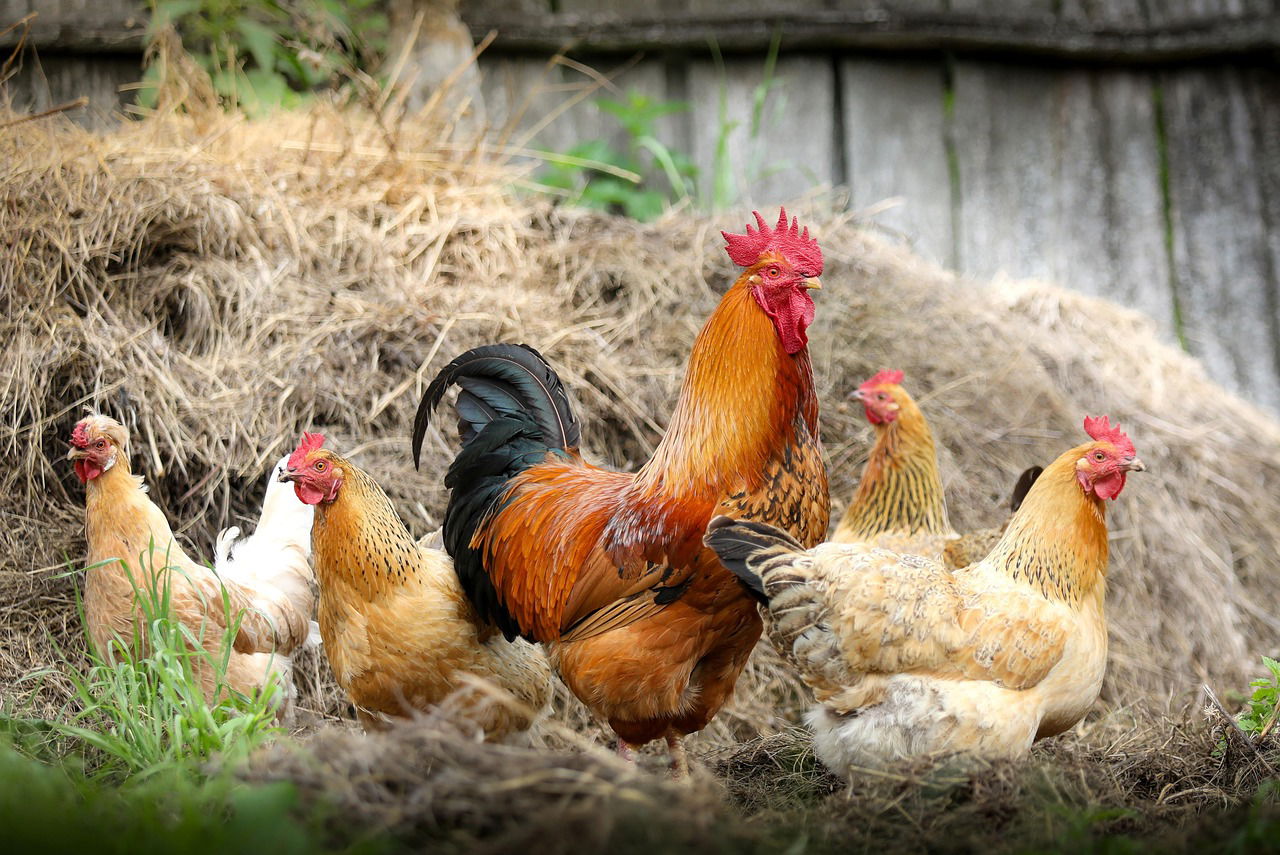
2. Poultry Farming
Poultry farming remains one of the most popular agribusiness ventures. Two main options include:
- Broiler chicken farming (for meat)
- Layer chicken farming (for eggs)
Eggs and chicken meat have constant demand in both rural and urban markets.
3. Dairy Farming
Milk consumption in Kenya is very high, making dairy farming a reliable agribusiness. Common dairy breeds include:
- Friesian
- Ayrshire
- Jersey
Farmers can also add value by producing:
- yogurt
- cheese
- fermented milk.
4. Fish Farming
Fish farming, also known as aquaculture, is gaining popularity in Kenya. Common fish species include:
- tilapia
- catfish
Fish farming can be done using:
- fish ponds
- tanks
- recirculating aquaculture systems.
5. Beekeeping (Apiculture)
Beekeeping is one of the most affordable agribusiness ventures. Products include:
- honey
- beeswax
- propolis
- royal jelly
It requires relatively small land space and low maintenance.
6. Mushroom Farming
Mushroom farming is becoming increasingly profitable due to rising demand in urban areas. Advantages include:
- requires very little space
- can be done indoors
- high market price.
7. Banana Farming
Bananas are widely consumed across Kenya. Benefits include:
- strong local demand
- continuous harvests
- good income potential.
Value addition products include:
- banana flour
- banana crisps
- banana wine.
8. Avocado Farming
Avocado farming has become one of the fastest-growing export businesses in Kenya. Popular varieties include:
- Hass
- Fuerte
Kenyan avocados are exported to:
- Europe
- the Middle East
- Asia.
9. Onion Farming
Onions are used in nearly every household and restaurant. Advantages include:
- high demand
- good storage life
- large market.
Kenya still imports onions, indicating strong demand for local production.
10. Potato Farming
Potatoes are one of Kenya’s major food crops. They are widely used in:
- homes
- hotels
- fast food restaurants.
Potatoes also support value addition businesses like chips and crisps production.
11. Greenhouse Farming
Greenhouse farming allows farmers to produce vegetables under controlled conditions. Common greenhouse crops include:
- tomatoes
- capsicum
- cucumbers
- strawberries
Greenhouses help increase yields and reduce pest damage.
12. Goat Farming
Goat farming is suitable for many regions in Kenya. Popular breeds include:
- Boer goats
- Galla goats
- dairy goats.
Products include:
- meat
- milk
- breeding stock.
13. Rabbit Farming
Rabbit farming is gaining popularity because rabbits reproduce quickly and require little space. Advantages include:
- low feed costs
- high reproduction rate
- increasing demand for rabbit meat.
14. Pig Farming
Pig farming can be very profitable when managed properly. Advantages include:
- fast growth rate
- high reproduction rate
- strong market demand.
Pork consumption in Kenya continues to increase.
15. Fruit Farming
Fruit farming can be highly profitable with the right varieties. Popular fruits include:
- mangoes
- passion fruits
- pineapples
- watermelons
- pawpaws.
Fruits can also be processed into juices and jams.
16. Dairy Goat Farming
Dairy goats are ideal for farmers with limited space. Popular breeds include:
- Toggenburg
- Alpine
- Saanen.
Goat milk has growing demand due to its health benefits.
17. Indigenous Chicken Farming
Indigenous chicken farming is popular because many consumers prefer traditional chicken. Advantages include:
- lower disease risk
- good market prices
- strong rural and urban demand.
18. Tree Seedling Nursery
Seedling nurseries supply young plants to farmers and landscapers. Popular seedlings include:
- fruit trees
- avocado seedlings
- ornamental plants
- forestry trees.
This business requires relatively low capital.
19. Hydroponic Farming
Hydroponics involves growing crops without soil using nutrient solutions. Advantages include:
- efficient water use
- high yields
- suitable for urban farming.
Common crops include lettuce, herbs, and strawberries.
20. Animal Feed Production
Animal feed is a major cost for livestock farmers. Producing feeds such as:
- poultry feed
- dairy feed
- pig feed
can be a profitable agribusiness if quality is maintained.
Key Factors for Success in Agribusiness
To succeed in agribusiness, entrepreneurs should focus on:
Market Research
Understand where and how products will be sold before starting production.
Proper Farm Management
Good farming practices increase productivity and profitability.
Value Addition
Processing agricultural products can significantly increase profits.
Diversification
Combining multiple agribusiness ventures can reduce risk.
Conclusion
Agribusiness offers many opportunities for entrepreneurs in Kenya. From vegetable farming and poultry production to beekeeping and fruit farming, there are numerous ventures that can generate income and create employment. With proper planning, access to markets, and good farm management, agribusiness can become a sustainable and profitable enterprise for both small-scale and large-scale investors. Starting small and expanding gradually is often the best strategy for long-term success.