5 Best Fruit Combinations for a Juice Blending Business in Kenya
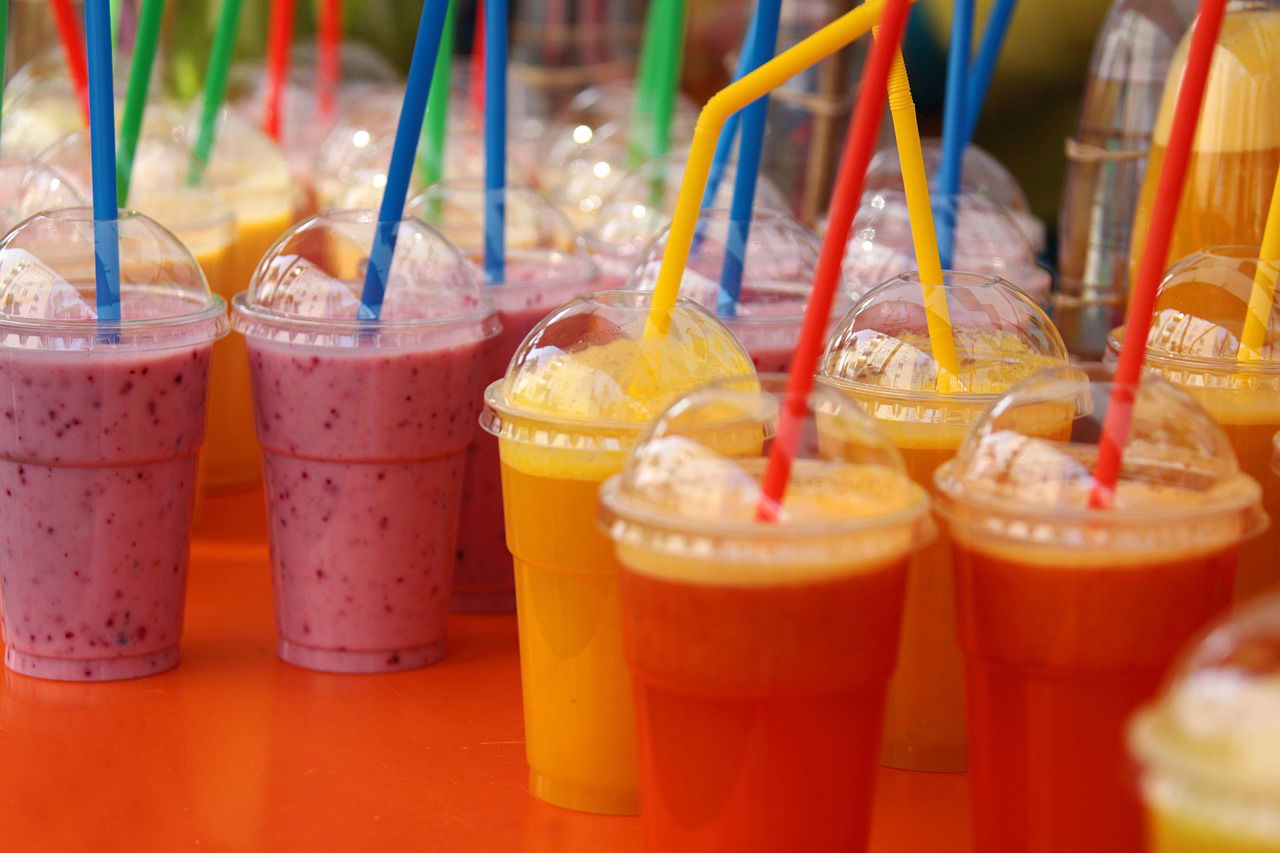
Juice blending is one of the most profitable small food businesses in Kenya because it requires a small starting budget, ingredients are widely available, and customers love healthy, refreshing drinks, especially in hot towns, busy CBDs, markets, bus stages, campuses, and estates. However, the secret to selling more juice is not just blending fruits randomly. The key is having combinations that taste amazing, are affordable, blend well, and have a “repeat customer” effect. Below are 5 of the best fruit combinations for a juice blending business in Kenya, with a step-by-step blending procedure for each.
Why Fruit Combinations Matter in a Juice Business
A good fruit combination helps you:
- Create a unique taste that customers remember
- Reduce the cost (mix expensive fruits with cheaper ones)
- Balance sweetness, acidity, and thickness
- Improve nutrition and marketing appeal
- Increase customer loyalty
1) Mango + Orange (The Kenyan Classic)
This is one of the most popular juice blends in Kenya. Mango gives thickness and sweetness, while orange adds a fresh tangy taste.
Ingredients (1–2 servings)
- 1 large ripe mango (or 2 small)
- 2 oranges
- ½ cup cold water (optional)
- Sugar/honey (optional — usually not needed)
- Ice (optional)
Step-by-Step Blending Procedure
- Wash the mango and oranges properly.
- Peel the mango and cut it into small cubes.
- Cut the oranges and squeeze out the juice (remove seeds).
- Add mango cubes into the blender.
- Pour in the fresh orange juice.
- Add a small amount of water if you want it lighter.
- Blend for 30–60 seconds until smooth.
- Serve immediately, chilled.
✅ Business tip: This combo sells fast in estates and CBD because it’s familiar and trusted.
2) Pineapple + Ginger + Lemon (The “Detox” Seller)
This is a high-demand combination because many customers believe it helps with digestion, colds, and immunity. It’s also a great premium option.
Ingredients (1–2 servings)
- 2 cups pineapple cubes
- 1 small piece ginger (thumb-sized)
- ½ lemon (or 1 small lemon)
- ½ cup cold water
- Honey (optional)
Step-by-Step Blending Procedure
- Peel the pineapple and cut into cubes.
- Wash and peel the ginger (or scrape it).
- Cut and squeeze the lemon juice (remove seeds).
- Put pineapple cubes into the blender.
- Add ginger and lemon juice.
- Add water to help blending.
- Blend for 45–60 seconds.
- Taste and add honey if needed.
- Serve chilled.
✅ Business tip: Label it as “Pineapple Ginger Detox Juice” — it increases sales.
3) Watermelon + Passion (Best for Hot Weather & High Volume)
Watermelon is cheap, available, and produces a lot of juice. Passion adds aroma and flavor that makes it feel premium.
Ingredients (2–3 servings)
- 3 cups watermelon cubes (seedless if possible)
- 2–3 passion fruits (or ½ cup passion pulp)
- 1 teaspoon sugar (optional)
- Ice (optional)
Step-by-Step Blending Procedure
- Wash the watermelon outer skin before cutting.
- Cut the watermelon and remove seeds if necessary.
- Scoop out passion pulp (remove extra black seeds if you want smoother texture).
- Put watermelon cubes in the blender first.
- Blend for 20–30 seconds until liquid.
- Add passion pulp and blend for 10–15 seconds.
- Strain if your customers prefer smooth juice.
- Serve cold.
✅ Business tip: This is one of the best juices for stage, market, and CBD hawking because it’s refreshing and affordable.
4) Banana + Avocado + Milk (The “Power Juice”)
This is not a light juice — it’s a thick, filling blend that sells well to gym clients, working people, and students. It also gives higher profit margins.
Ingredients (1–2 servings)
- 1 ripe banana
- ½ avocado (or 1 small)
- 1 cup milk (fresh or long-life)
- 1 tablespoon honey or sugar (optional)
- ½ teaspoon vanilla essence (optional)
Step-by-Step Blending Procedure
- Peel the banana and avocado.
- Cut them into small pieces.
- Add banana and avocado into the blender.
- Pour in milk.
- Add honey/sugar if needed.
- Blend for 45–60 seconds until creamy.
- Serve immediately (best when cold).
✅ Business tip: Sell this as a “Smoothie” and price it higher than normal juices.
5) Beetroot + Carrot + Orange (The “Blood Booster” Combo)
This is one of the most marketable juice blends in Kenya because many people associate it with improving blood levels and health.
Ingredients (1–2 servings)
- 1 medium beetroot
- 2 medium carrots
- 2 oranges
- ½ cup water
- Honey (optional)
Step-by-Step Blending Procedure
- Wash beetroot and carrots thoroughly.
- Peel both (optional but recommended for hygiene).
- Cut beetroot and carrots into small pieces.
- Squeeze orange juice separately (remove seeds).
- Put beetroot and carrots in the blender.
- Add orange juice and water.
- Blend for 60–90 seconds (beetroot is hard).
- Strain using a sieve if you want a smoother drink.
- Serve chilled.
✅ Business tip: This blend sells well in health-conscious areas, gyms, salons, and office zones.
Packaging & Selling Tips for Juice Business in Kenya
To maximize profit, focus on:
✅ Hygiene & Trust
- Always wash fruits properly
- Use clean water
- Wear gloves or use a serving spoon
- Keep cups and bottles covered
✅ Packaging Options
- Disposable cups (cheap, good for roadside selling)
- 300ml / 500ml plastic bottles (better for delivery & shops)
- Branded sticker labels (helps repeat sales)
✅ Pricing Tip
Start with 3 sizes:
- 300ml
- 500ml
- 1 litre (for families/offices)
✅ Where to Sell
- CBD streets & bus stages
- Outside supermarkets
- Near salons and barbershops
- Gyms
- Markets
- Schools (outside gates)
- Online delivery via WhatsApp
Final Thoughts
A juice blending business can perform extremely well in Kenya — but your success depends on:
- Your fruit combinations
- Consistency in taste
- Cleanliness
- Packaging
- Location and marketing
The 5 combinations above are among the best because they are affordable, popular, and easy to blend.