A Beginner’s Guide to Starting a Small Fruit Tree Nursery Business in Kenya
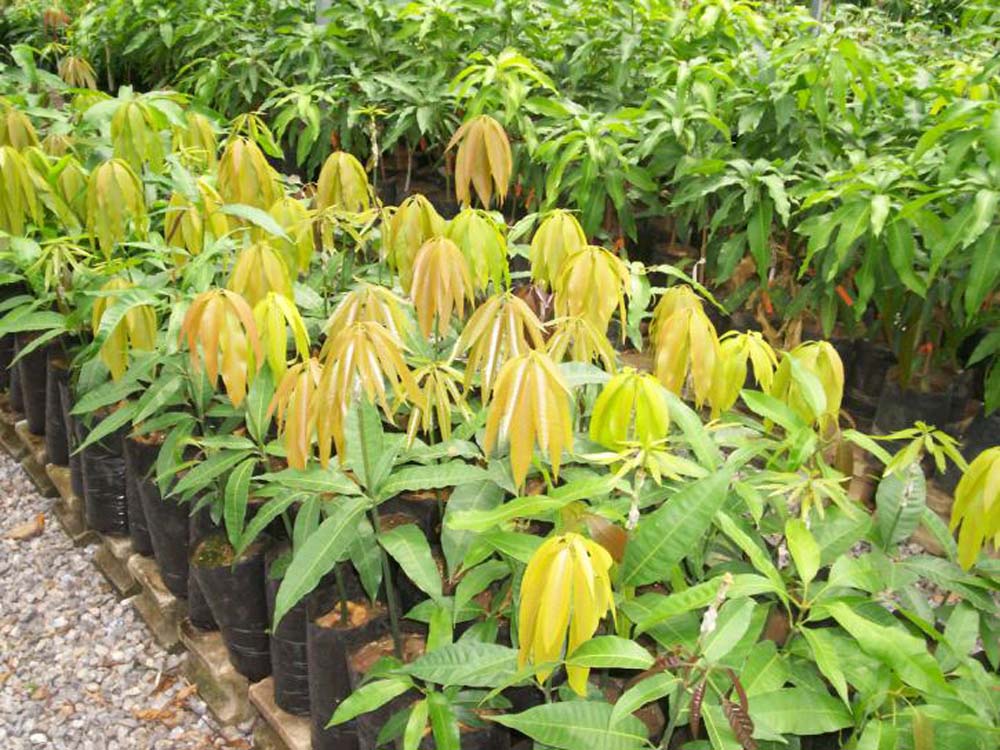
Fruit tree farming is expanding rapidly in Kenya as more farmers diversify into avocado, mango, citrus, passion fruit, and other high-value fruits. This rising demand has created a profitable opportunity for small fruit tree nurseries that supply quality seedlings.
The good news is that a fruit tree nursery does not require large land or huge capital. A beginner can start a home-based mini nursery in a backyard or small plot, grow seedlings in polybags, and sell them to farmers, landscapers, schools, and agro-dealers.
With proper planning and quality planting materials, a small nursery can become a steady and scalable income stream.
Why a Fruit Tree Nursery Is a Good Business in Kenya
Several factors make this venture attractive:
1. High Demand for Fruit Seedlings
Government and NGO programs promote fruit farming for food security and export markets. Thousands of farmers are planting fruit orchards every year.
2. Small Space Required
A mini nursery can operate in 50–200 square meters.
3. Fast Turnover
Many seedlings are ready for sale in 2–4 months.
4. High Profit Margins
Seedlings cost Ksh 10–30 to produce but sell for Ksh 80–300 depending on the fruit type.
5. Home-Based Business
It can be started as a side hustle from home with minimal labor.
Popular Fruit Trees to Raise in a Kenyan Nursery
These fruits have strong demand from farmers.
1. Avocado Seedlings
Very high demand due to export market growth.
Popular varieties:
- Hass
- Fuerte
- Pinkerton
Selling price: Ksh 150 – 300 per seedling
2. Mango Seedlings
Mango farming is widespread across Kenya.
Popular varieties:
- Apple mango
- Kent
- Tommy Atkins
- Ngowe
Selling price: Ksh 120 – 250 per seedling
3. Citrus Seedlings
Examples:
- Oranges
- Lemons
- Tangerines
- Pixie
Selling price: Ksh 100 – 200 per seedling
4. Passion Fruit Seedlings
Varieties:
- Purple passion
- Yellow passion
Selling price: Ksh 30 – 80 per seedling
5. Pawpaw (Papaya)
Popular varieties:
- Solo Sunrise
- Red Lady
Selling price: Ksh 30 – 70 per seedling
6. Tree Tomato (Tamarillo)
Growing demand among smallholder farmers.
Selling price: Ksh 30 – 60 per seedling
Space Required for a Mini Nursery
A beginner can start with 500–1,000 seedlings.
Approximate space needed:
| Number of Seedlings | Space Required |
|---|---|
| 300 | 30–40 sq meters |
| 500 | 50 sq meters |
| 1,000 | 80–100 sq meters |
A backyard, compound corner, or small rented plot works well.
Requirements for Starting a Fruit Tree Nursery
1. Shade Structure
Young seedlings need protection from harsh sun.
Materials:
- Shade net
- Grass thatching
- Wooden poles
2. Water Supply
Seedlings must be watered daily.
Possible sources:
- Tap water
- Borehole
- Rainwater harvesting
3. Seedling Containers
Most nurseries use polybags.
Typical size:
- 4×6 inches
- 6×9 inches
4. Soil Mixture
Common mix:
- Topsoil
- River sand
- Well-decomposed manure
Ratio example:3 parts soil : 1 part sand : 1 part manure
5. Seeds or Rootstocks
Some seedlings are grown from seed while others require grafting.
6. Basic Tools
Tools needed include:
- Watering can
- Wheelbarrow
- Spade
- Secateurs
- Grafting knife
Step-by-Step Guide to Starting a Mini Fruit Nursery
Step 1: Identify High-Demand Fruits
Research which fruits are popular in your region.
Example:
- Avocado
- Mango
- Citrus
- Passion fruit
Step 2: Source Quality Seeds or Rootstocks
Sources include:
- Agricultural research stations
- Certified nurseries
- Experienced farmers
Quality planting material determines success of the nursery.
Step 3: Prepare Nursery Soil
Mix:
- Topsoil
- Sand
- Manure
Fill the mixture into polybags.
Step 4: Plant Seeds or Rootstocks
Plant seeds in:
- Seedbeds
or - Directly in polybags
Step 5: Transplant Seedlings
Once seedlings develop 3–4 leaves, transplant them into polybags.
Step 6: Grafting (For Some Fruits)
Fruits that require grafting:
- Avocado
- Mango
- Citrus
Grafting improves:
- Fruit quality
- Yield
- Disease resistance
Step 7: Watering and Care
Daily care includes:
- Watering
- Weeding
- Pest monitoring
Step 8: Marketing and Selling
Seedlings are ready after 2–4 months depending on the fruit type.
Tentative Budget for a Small Nursery (500 Seedlings)
| Item | Estimated Cost (Ksh) |
|---|---|
| Polybags | 2,000 |
| Seeds / rootstock | 2,000 |
| Manure | 1,000 |
| Sand transport | 1,000 |
| Shade structure | 3,000 |
| Tools | 2,000 |
| Watering can | 500 |
Estimated startup cost: Ksh 11,500 – 15,000
Profit Projection Example
Example: 500 seedlings
Average selling price: Ksh 120
Revenue:500 × 120 = Ksh 60,000
Estimated costs:≈ Ksh 15,000
Estimated profit: Ksh 45,000 per cycle
Since seedlings take about 3–4 months, a nursery could run 3 cycles per year.
Potential annual profit: Ksh 120,000 – 150,000
Where to Sell Fruit Tree Seedlings
Common markets include:
Local Farmers
Most farmers buy seedlings directly from nurseries.
Agrovet Shops
You can supply seedlings wholesale.
Online Platforms
Sell via:
- Facebook groups
- WhatsApp groups
- Marketplace listings
Schools and Institutions
Many institutions plant trees annually.
Tips for Success in a Fruit Nursery Business
1. Focus on Quality
Farmers prefer healthy, well-grafted seedlings.
2. Label Your Seedlings
Clearly mark varieties to build customer trust.
3. Start with Few Varieties
Avoid managing too many fruits at the beginning.
4. Time Production With Rainy Seasons
Demand spikes before March–May and October–December rains.
5. Learn Grafting
Grafting skills can double the value of seedlings.
6. Build a Customer Network
Stay connected with:
- Farmers
- Agricultural groups
- Farm cooperatives
Common Mistakes Beginners Make
- Using poor-quality seeds
- Overwatering seedlings
- Lack of proper shade
- Poor soil mixture
- Selling seedlings too early
Avoiding these mistakes will significantly improve seedling survival rates and reputation.
Final Thoughts
A mini fruit tree nursery is one of the easiest agribusinesses to start in Kenya. It requires small space, modest capital, and simple farming skills.
With the growing demand for fruit farming across the country, a well-managed nursery can provide steady seasonal income and even grow into a large commercial venture supplying thousands of seedlings annually.
For beginners interested in agriculture-based side hustles, a home-based fruit seedling nursery is a practical and profitable starting point.