How to Start and Run a Delivery Business in Kenya
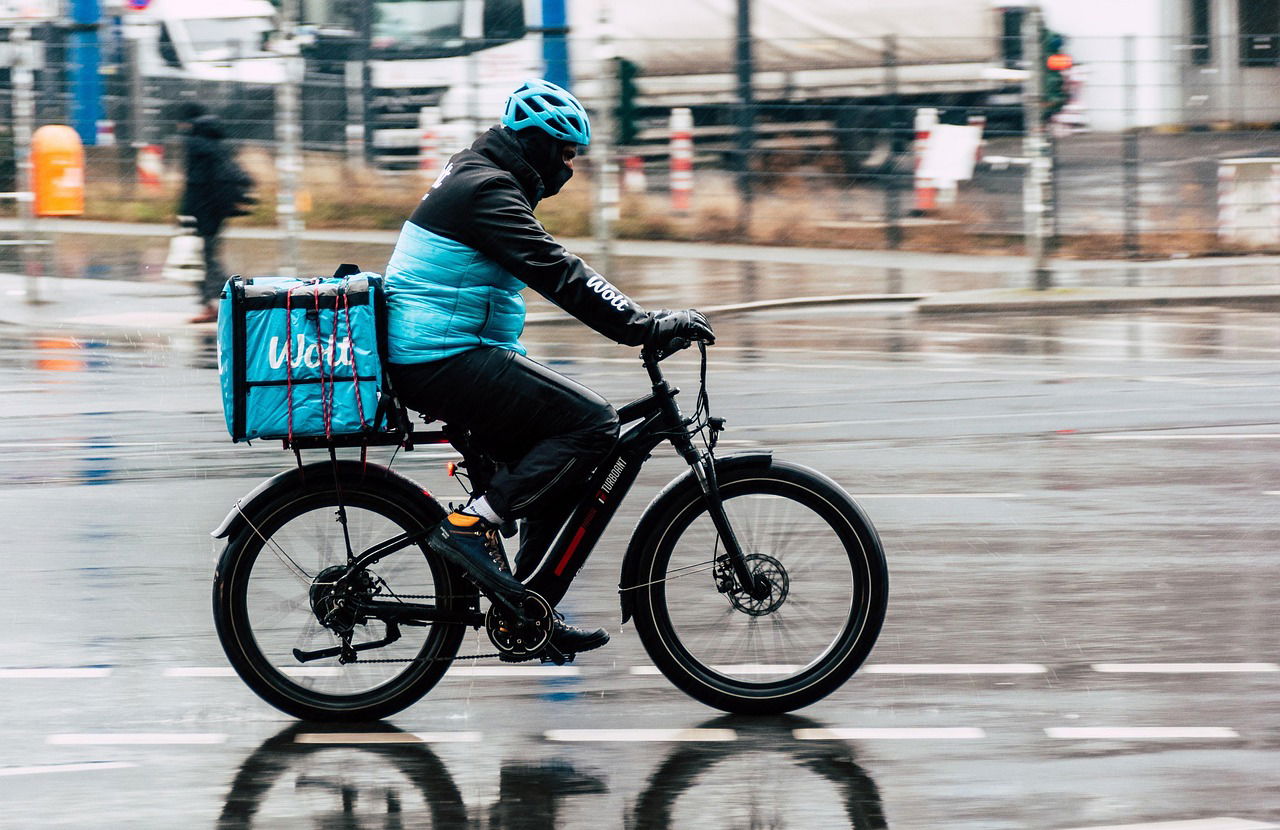
Delivery services have become a booming business in Kenya. With the rise of e-commerce, online food orders, pharmacies, super-markets, and busy urban lifestyles, demand for reliable delivery services is higher than ever. If you already own a motorcycle or electric bike, you’re well positioned to tap into this growing market. This guide breaks down what the delivery business is, how it works in Kenya, what you need to start, how to run it efficiently, possible income levels, and expert tips to stay profitable and competitive.
What Is a Delivery Business?
A delivery business involves transporting goods or products from one location to another on behalf of customers. These can include:
- Food and beverages
- Parcels and packages
- E-commerce orders
- Groceries
- Documents
- Medical supplies and prescriptions
In Kenya, delivery businesses range from informal freelance riders to organized companies with fleets and contracts.
Why Delivery Is a Viable Business in Kenya
Delivery services are becoming essential due to several trends:
- Rapid growth of online shopping (Jumia, Kilimall, social media sellers)
- Increased use of smartphones
- Busy urban lifestyles with little time for errands
- Restaurants offering delivery
- Professional services needing fast delivery (couriers, labs, pharmacies)
- Growth of gig economy and flexible work
With low startup costs (especially if you already own a motorcycle or e-bike), delivery services have a fast break-even point and ongoing demand.
What You Need to Start a Delivery Business in Kenya
Here’s what you’ll need to get started:
1. Vehicle
- Motorcycle (boda-boda)
- Electric bike (neutral running costs and quieter operation)
A vehicle in good working condition is critical.
2. Legal Requirements
- Valid driver’s license (Class *for motorcycles)
- National ID
- Logbook for your bike
- Business registration (optional at start)
- LSO (if operating commercially)
3. Safety Equipment
- Helmet (for you and passenger if applicable)
- Reflective vest
- First-aid kit
4. Smartphone with Internet
Most jobs and communication happen via WhatsApp or apps.
5. Mobile Money Account
- M-Pesa (for payments and transfers)
- Bank account (optional)
6. Delivery Tools
- Delivery bag/box (insulated if delivering food)
- GPS navigation app (Google Maps, Waze)
- Note pad or delivery log
Opportunities for Delivery Services in Kenya
Here are the most common delivery segments in Kenya:
1. E-Commerce Delivery
- Delivering packages for online sellers
- Working with small e-commerce businesses
2. Restaurant & Food Delivery
- Delivering meals from restaurants to customers
- Partner with restaurants or ride-on your own brand
3. Pharmacy & Health Deliveries
- Prescription deliveries
- Health products
- Medical documents
4. Courier & Parcel Services
- Documents
- Small parcels
- Inter-office deliveries
5. Supermarket & Grocery Delivery
- Partner with local supermarkets and grocery stores
- Deliver groceries to homes
6. Business to Business (B2B)
- Transporting goods between businesses
- Spare parts delivery, office supplies
7. Contract Work
- Offer delivery services to companies on a contract basis
How to Start Your Delivery Business in Kenya
1. Research Your Target Market
Decide where you will focus:
- Urban centers (Nairobi, Mombasa, Kisumu, Nakuru)
- Suburban neighborhoods
- Specific niches (food, pharmacy)
2. Set Your Pricing Model
You can charge:
- Per delivery fee (e.g., KES 100–500 per trip)
- Kilometer-based tariff
- Subscription or contract rates with businesses
3. Create a Simple Brand
- Business name
- Logo
- Contact number
- WhatsApp Business profile
4. Market Your Services
- Share on WhatsApp status and groups
- Create a Facebook Page and Instagram profile
- Hand out flyers in local neighborhoods
- Partner with stores and restaurants
5. Join Delivery Platforms (Optional)
Some platforms offer job opportunities for freelancers:
- Food delivery apps
- Courier apps
(Check which ones accept riders in your city)
6. Track Your Jobs and Earnings
Keep a simple log or spreadsheet:
- Date
- Pickup location
- Drop-off location
- Delivery fee
- Expenses (fuel, service)
Running Your Delivery Business Efficiently
To build a strong reputation and scale:
1. Prioritize Customer Service
- Be courteous
- Communicate delivery ETAs
- Deliver on time
- Handle parcels with care
2. Use Navigation Tools
Apps like Google Maps or Waze help you avoid traffic and find routes quickly.
3. Maintain Your Motorcycle/E-Bike
Regular servicing saves you from breakdowns and costly repairs.
4. Track Fuel and Running Costs
Know how much fuel you burn per trip and include it in pricing.
5. Plan Your Routes
Batch deliveries in the same area to reduce time and expenses.
6. Insure Your Vehicle
A small insurance policy helps avoid losses from accidents or theft.
Income Outlook: What Can You Earn?
Earnings vary by location, workload, and niche you serve, but here’s a realistic estimate for Kenya:
Example Daily Earnings (Urban Center)
- 10 deliveries × average fee KES 300 = KES 3,000
- Expenses (fuel, maintenance) ≈ KES 800–1,000
- Net income ≈ KES 2,000–2,200 per day
If you work 24 delivery days a month at this pace:
- Approx monthly net ≈ KES 48,000–52,000
With more demand (weekends, contracts, peak times), earnings can go higher. Many successful riders push KES 3,000–4,500 net per day in high-demand areas.
Tips to Keep Your Delivery Business Profitable
1. Build Relationships With Businesses
Work directly with restaurants, pharmacies, and shops so they refer customers to you.
2. Offer Premium Services
- Fast delivery
- Same-day delivery
- Insured deliveries
- Tracking updates
3. Reduce Idle Time
Stay in areas where orders are frequent. Track peak hours.
4. Bundle Orders
Deliver multiple orders in the same trip to maximize earnings.
5. Track and Reduce Costs
Fuel and maintenance are your biggest expenses. Ride economically.
6. Upsell Additional Services
- Errand running
- Payment collections
- Small shopping service
7. Use WhatsApp Business Tools
Use catalogs, automated greetings, and quick replies.
Challenges to Be Aware Of
While delivery is a great opportunity, there are challenges:
- Traffic congestion
- Poor roads in some areas
- Weather conditions
- Competition in busy areas
- Wear and tear on the vehicle
Plan carefully and build a safety net for rainy days.
Final Thoughts
Delivery services remain one of the most accessible and profitable businesses you can start in Kenya—especially if you already own a motorcycle or electric bike. Demand continues to grow as online shopping, on-demand food, and professional deliveries become part of daily life. With the right pricing, customer focus, and operational discipline, you can build a steady income and grow it into a full-time business. Start small, be consistent, keep improving, and soon you’ll find your delivery business thriving in Kenya’s fast-moving economy.