A Ksh 5,000 Seedling Nursery Business Plan in Kenya
1. Business Overview
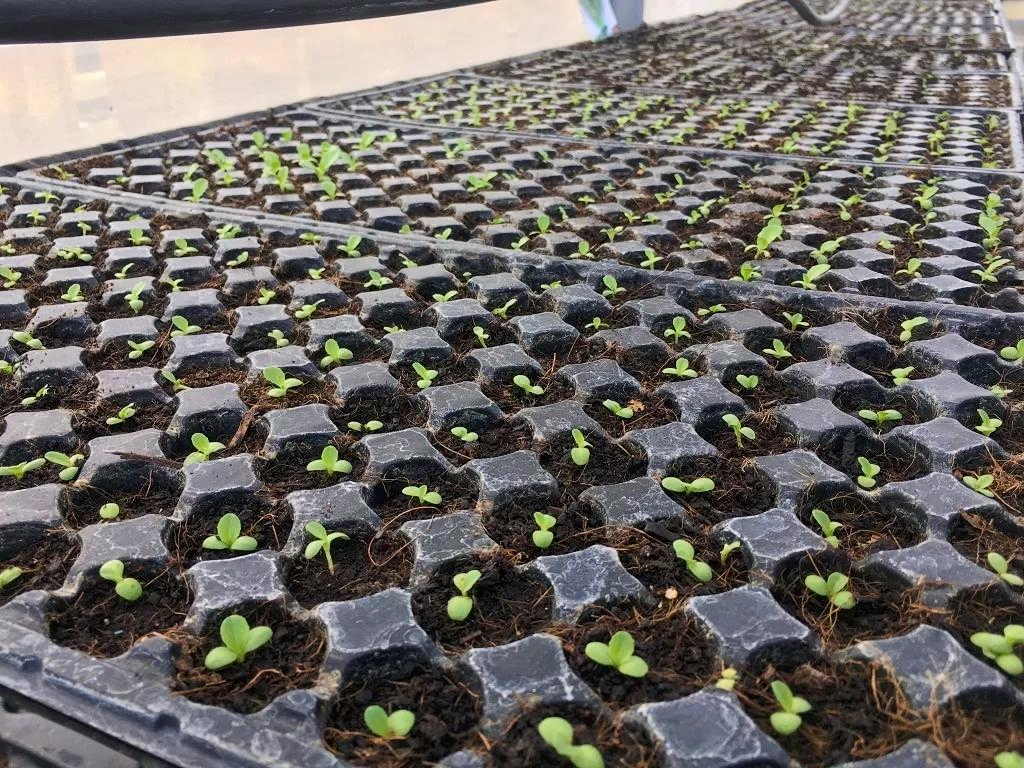
A small-scale nursery that produces and sells vegetable seedlings such as:
- Sukuma wiki
- Spinach
- Tomatoes
- Managu
👉 Target customers:
- Small-scale farmers
- Home gardeners
- Local markets
👉 Business model:
- Grow seedlings in trays/backyard
- Sell within 2–4 weeks
- Repeat cycles monthly
2. Startup Budget (Ksh 5,000 Plan)
| Item | Cost (Ksh) |
|---|---|
| Seeds (variety mix) | 1,200 |
| Improvised seed trays (or few trays) | 1,500 |
| Shade (grass/old net/DIY) | 800 |
| Soil + manure | 700 |
| Watering can (or recycled container) | 500 |
| Misc (pest control, transport) | 300 |
| Total | 5,000 |
👉 Tip: Use locally available materials (banana leaves, sacks, tins) to cut costs.
3. Production Plan
Space Required
- As little as 10×10 ft backyard
Cycle Timeline
- Week 1: Plant seeds
- Week 2–3: Growth stage
- Week 3–4: Ready for sale
👉 You can run 1–2 cycles per month
Production Capacity (Starter Level)
- 5 trays (or equivalent improvised setup)
- ~200 seedlings per tray
👉 Total = 1,000 seedlings per cycle
4. Cost vs Revenue Projection
Selling Price (Typical Kenya Market)
- Sukuma / spinach: Ksh 3–5
- Tomatoes: Ksh 10–15
👉 Average price = Ksh 5 per seedling (conservative)
Monthly Revenue
- 1,000 seedlings × Ksh 5 = Ksh 5,000
Monthly Costs (Replenishment)
- Seeds + water + inputs = ~Ksh 2,000
Expected Profit
👉 Ksh 2,000 – 3,000 per month (starter level)
5. Growth Plan (Scaling Up)
Reinvest profits to:
- Buy more trays
- Increase production to 3,000–5,000 seedlings
- Add high-value crops (tomatoes, capsicum)
👉 Within 2–3 months:
- Revenue can grow to Ksh 15,000 – 30,000/month
6. Marketing Plan
Where to Sell
- Nearby farmers
- Local markets
- Roadside stall
- Agrovet shops
Simple Marketing Strategies
- Word of mouth (very powerful in rural areas)
- Display seedlings outside your home
- Offer free farming advice
- Take advance orders before rainy season
7. Daily Operations (Simple Routine)
Morning:
- Water seedlings
- Inspect for pests
Afternoon:
- Light watering if hot
- Remove weak seedlings
Weekly:
- Prepare next batch
- Contact customers
8. Key Success Factors
✔ Quality Seedlings
- Healthy, green, uniform
- Strong roots
✔ Timing
- Produce before rainy seasons
- That’s when demand is highest
✔ Water Management
- Avoid overwatering (kills seedlings)
9. Risks & Solutions
| Risk | Solution |
|---|---|
| Poor germination | Use quality seeds |
| Drought | Store water / mulch |
| Unsold seedlings | Grow on demand |
| Pests | Use ash, neem, or safe sprays |
10. Profit Expansion Ideas
Once stable, add:
- Vegetable farming (use your own seedlings)
- Selling manure/soil mix
- Farm consultancy for beginners
11. Final Verdict
👉 Yes, Ksh 5,000 is enough to start a seedling business in Kenya
It is:
- Low risk
- Fast returns (2–4 weeks)
- Scalable
- Suitable for rural & home-based setups
💡 With consistency, this small start can grow into a Ksh 20,000–50,000/month agribusiness
🔥 Bonus Insight (Smart Hustle)
Start with:
- Sukuma
- Spinach
Then upgrade to:
- Tomatoes (higher profit)
👉 This minimizes risk while increasing income over time.