Arrowroot Flour Value Addition Business in Kenya
A Practical Guide for Small-Scale Entrepreneurs
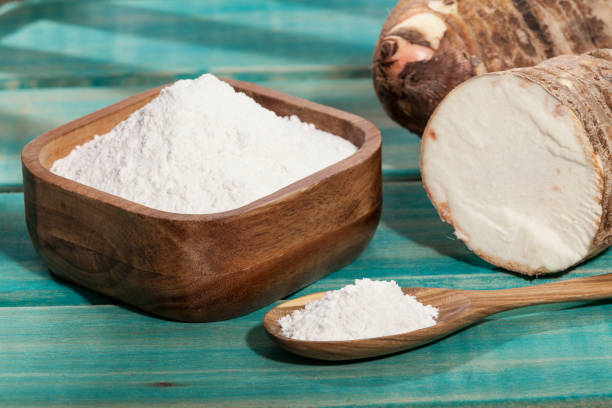
Arrowroots (locally called nduma) are widely consumed in Kenya, especially for breakfast. Processing them into arrowroot flour increases shelf life, opens new markets (gluten-free baking, baby food, porridge mixes), and significantly raises the product value. This guide explains the step-by-step processing method, best flour blends, packaging sizes, pricing, and business tips for the Kenyan market.
1. Step-by-Step Process of Making Arrowroot Flour
There are two main methods:
- Dry milling method (simplest for small businesses)
- Wet starch extraction method (higher purity)
For home-based businesses, the dry milling method is easiest.
Method 1: Dry Milling (Recommended for Small Businesses)
Step 1: Selection of Arrowroots
Choose:
- Mature tubers
- Firm and disease-free
- Medium to large size
Quality raw material determines the quality of flour.
Step 2: Washing
Wash thoroughly to remove:
- Soil
- Sand
- Roots
Use clean water because impurities affect flour quality.
Step 3: Peeling
Remove the outer skin using knives or peelers.The skin must be removed because it can cause bitterness in the flour.
Step 4: Slicing
Slice the arrowroots into thin chips (3–5 mm).Thin slices:
- Dry faster
- Prevent mould formation.
Step 5: Soaking (Optional but recommended)
Soak slices in clean water for 15–30 minutes.Benefits:
- Reduces discoloration
- Removes excess starch
- Improves flour color
Step 6: Drying
Dry completely until the slices are brittle. Drying options:
- Sun drying (2–4 days)
- Solar dryer (1–2 days)
- Electric dryer
Drying removes moisture and prevents spoilage.
Step 7: Milling
Grind the dried chips using:
- Posho mill
- Hammer mill
- Grain mill
This converts the chips into flour.
Step 8: Sieving
Sieve using a fine sieve. Purpose:
- Remove fiber
- Produce smooth flour
Step 9: Packaging
Immediately package to prevent moisture absorption. Arrowroot flour absorbs moisture quickly.
2. Alternative Method: Wet Extraction (Higher Quality Flour)
Steps:
- Wash tubers
- Peel
- Grate or crush
- Mix pulp with water
- Filter slurry through cloth
- Allow starch to settle
- Pour away water
- Dry the starch
- Grind into powder
This method separates pure starch before drying.
3. Best Flour Blends with Arrowroot Flour
Arrowroot flour alone can be expensive and sometimes too light for baking. Blending improves texture and reduces cost.
Recommended Flour Combinations
1. Arrowroot + Millet Flour
Best for porridge. Ratio:
- 40% arrowroot
- 60% millet
Benefits:
- Nutrient rich
- Good baby food
2. Arrowroot + Sorghum Flour
Good for gluten-free baking. Ratio:
- 50% arrowroot
- 50% sorghum
3. Arrowroot + Cassava Flour
Good for baking and thickening. Ratio:
- 30% arrowroot
- 70% cassava
4. Arrowroot + Oats Flour
Healthy breakfast porridge. Ratio:
- 40% arrowroot
- 60% oats
5. Arrowroot + Sweet Potato Flour
Good for baby food mixes. Ratio:
- 50% arrowroot
- 50% sweet potato
4. Packaging Sizes for the Kenyan Market
Common packaging sizes used in supermarkets and shops.
| Package Size | Target Market |
|---|---|
| 100 g | Trial packs |
| 250 g | Retail shops |
| 500 g | Households |
| 1 kg | Families |
| 2 kg | Bulk buyers |
For startups, start with 250 g, 500 g and 1 kg packs.
5. Tentative Selling Prices in Kenya
Estimated retail prices (example market pricing).
| Pack Size | Selling Price |
|---|---|
| 100 g | KSh 60 – 80 |
| 250 g | KSh 120 – 160 |
| 500 g | KSh 220 – 300 |
| 1 kg | KSh 400 – 550 |
Premium organic or baby flour mixes can sell higher.
6. Equipment Needed for a Small Arrowroot Flour Business
Basic equipment:
- Knives and peelers
- Plastic basins
- Manual slicer
- Drying trays
- Solar dryer (optional)
- Posho mill / hammer mill
- Sieves
- Weighing scale
- Heat sealer
- Packaging bags
Approximate startup cost: KSh 20,000 – 50,000
7. Example Cost and Profit Calculation
Example batch: Raw arrowroots
10 kg → approx 3–4 kg flour Cost estimate: Raw arrowroots
KSh 100 per 3 pieces (~2 kg)10 kg raw cost
≈ KSh 500After processing: Flour yield
≈ 3 kg Selling price (KSh 450/kg) Revenue
3 kg × 450 = KSh 1,350Gross margin
≈ KSh 850
8. Key Things to Consider for This Venture
Hygiene
Food businesses require:
- Clean equipment
- Food grade packaging
- Safe water
Moisture Control
Flour must remain very dry to avoid mould.
Market Demand
Main buyers:
- Health shops
- Baby food markets
- Supermarkets
- Bakeries
- Online stores
Branding
Add value through:
- Attractive packaging
- Nutritional labeling
- Gluten-free branding
9. Tips for Success
✔ Start small and scale gradually
✔ Buy arrowroots directly from farmers
✔ Focus on baby food and health markets
✔ Use solar drying to reduce costs
✔ Create blended flours for higher margins
✔ Build a strong local brand
10. Value-Added Products You Can Also Make
Beyond flour you can produce:
- Arrowroot porridge mix
- Arrowroot biscuits
- Arrowroot baby food
- Arrowroot baking flour
- Arrowroot cookies
These products have much higher profit margins.