Arrowroot (Nduma) Farming in Kenya: A Profitable Small-Space Agribusiness
Introduction
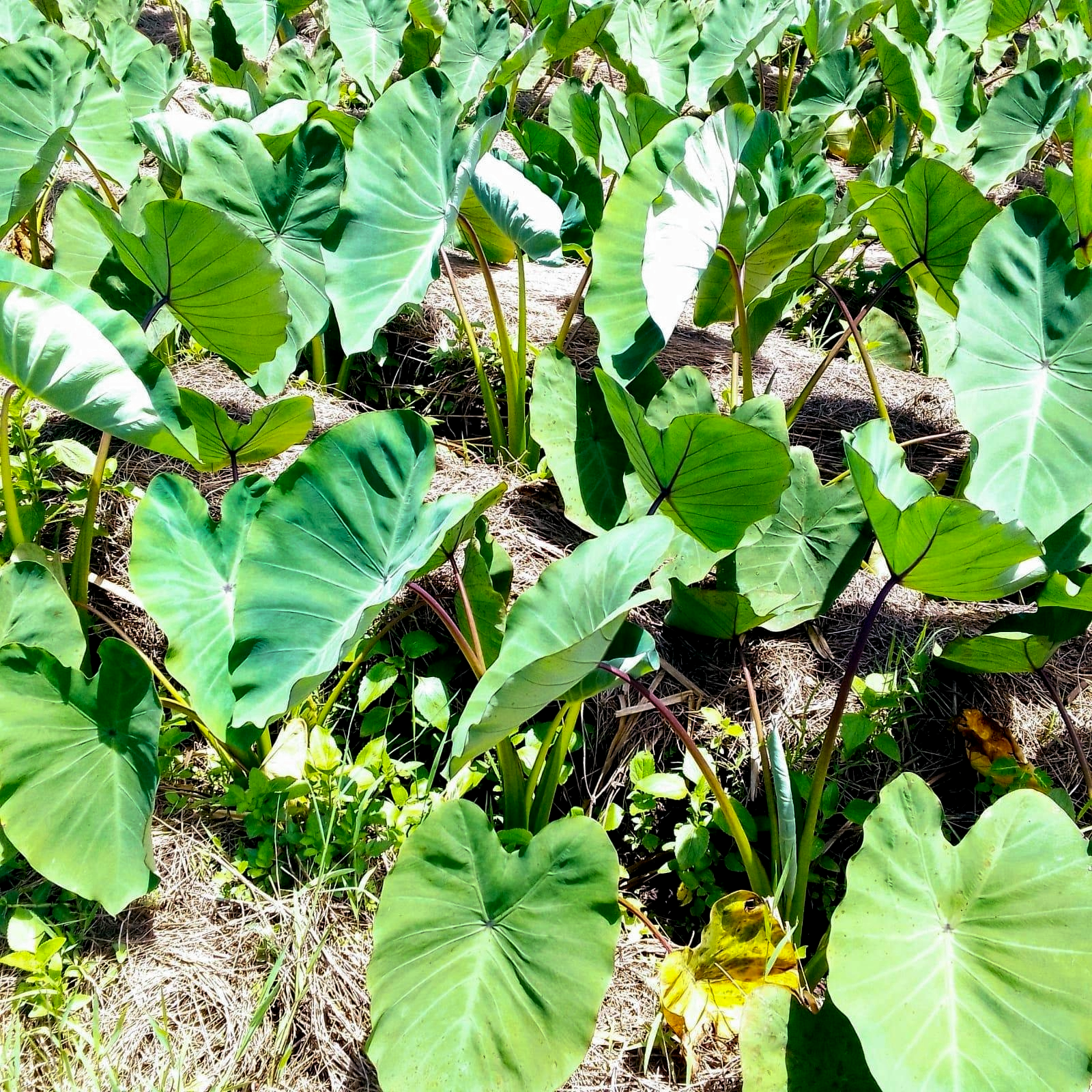
Arrowroot farming, locally known as nduma, is one of the most underrated agribusiness opportunities in Kenya, especially for small-scale farmers. Traditionally grown along riverbanks and wetlands, arrowroots thrive in moist conditions and require minimal management compared to many other crops.
What makes arrowroots unique is their ability to generate consistent income from very small pieces of land, making them ideal for rural households with limited farming space.
Why Arrowroot Farming Makes Sense for Small Farmers
- Thrives in small spaces – Even a 20×40 ft plot can produce marketable yields
- High demand – Popular for breakfast (boiled nduma) across Kenya
- Low maintenance – Minimal spraying and management required
- Flexible harvesting – Can harvest gradually instead of all at once
- Good returns – Mature tubers fetch good prices in local markets
Best Areas to Grow Arrowroots
Arrowroots perform best in:
- Wetlands or swampy areas
- Riverbanks and stream edges
- Areas with high water retention
A plot next to a stream, is perfect. This gives you a natural advantage because you won’t need irrigation infrastructure.
Common Arrowroot Varieties in Kenya
There are several local varieties, usually identified by:
- Color of flesh (white, yellowish)
- Size of tubers
- Maturity period
Farmers often prefer:
- Fast-maturing varieties (5–7 months)
- High-yielding types with large tubers
Tip: Source planting material from a neighbor or farmer with proven yields.
How to Start Arrowroot Farming (Step-by-Step)
1. Land Preparation
- Clear the plot and remove weeds
- Loosen soil to improve aeration
- Ensure the area retains moisture (don’t drain completely)
2. Planting Material
Use:
- Small tubers or suckers from mature plants
Spacing:
- About 2–3 feet apart
3. Planting
- Dig shallow holes (10–15 cm deep)
- Place the sucker/tuber and cover lightly
- Ensure soil remains moist
4. Water Management
- Arrowroots need constant moisture
- If near a stream, you’re already set
- Avoid complete flooding (waterlogging reduces yield)
5. Weeding
- Weed regularly during early growth
- Once plants spread, they suppress weeds naturally
6. Fertilization
- Apply well-decomposed manure before planting
- Top-dress with compost after 2–3 months
Avoid heavy chemical fertilizers, organic works best here.
7. Pest & Disease Control
Arrowroots are relatively resistant, but watch for:
- Aphids
- Leaf spots
Control methods:
- Use organic sprays (neem, ash solutions)
- Maintain clean fields
Maturity & Harvesting
- Ready in 5 to 8 months depending on variety
- Harvest when leaves start drying
You can:
- Harvest all at once
- Or harvest gradually as needed (very useful for continuous income)
Expected Yield (Small Plot Example)
For a 20 ft × 40 ft plot (800 sq ft):
- 150–250 plants possible
- Yield: Ksh 3,000 – 8,000 per cycle depending on care and variety
Marketing Arrowroots in Kenya
You don’t need complex markets. Sell:
- At local markets
- Roadside stalls
- To neighbors
- To food vendors
Arrowroots sell best:
- Early morning (breakfast demand)
- In estates and busy centers
Value Addition Opportunities
Instead of selling raw tubers, you can increase profits by:
- Boiling and selling ready-to-eat nduma
- Packaging for urban markets
- Supplying hotels and kiosks
Even a simple roadside setup can double your returns.
Startup Cost Estimate (Small Plot)
| Item | Estimated Cost (Ksh) |
|---|---|
| Planting material | 500 – 1,000 |
| Manure | 1,000 |
| Labor (optional) | 1,000 |
| Miscellaneous | 500 |
| Total | 3,000 – 4,000 |
This is one of the lowest-cost agribusiness ventures to start.
Tips for Success
- Start small and expand gradually
- Use water-rich areas (don’t fight nature)
- Source quality planting material
- Harvest in phases for continuous income
- Combine with other crops if space allows
Final Thoughts
Arrowroot farming proves that you don’t need acres to make money in agriculture. With just a small wet plot, you can build a reliable income stream for your household.
For many rural families, arrowroots can move from being a subsistence crop to a serious agribusiness opportunity.