Bamboo Craft in Kenya: How to Turn Cheap Bamboo into Profitable Products
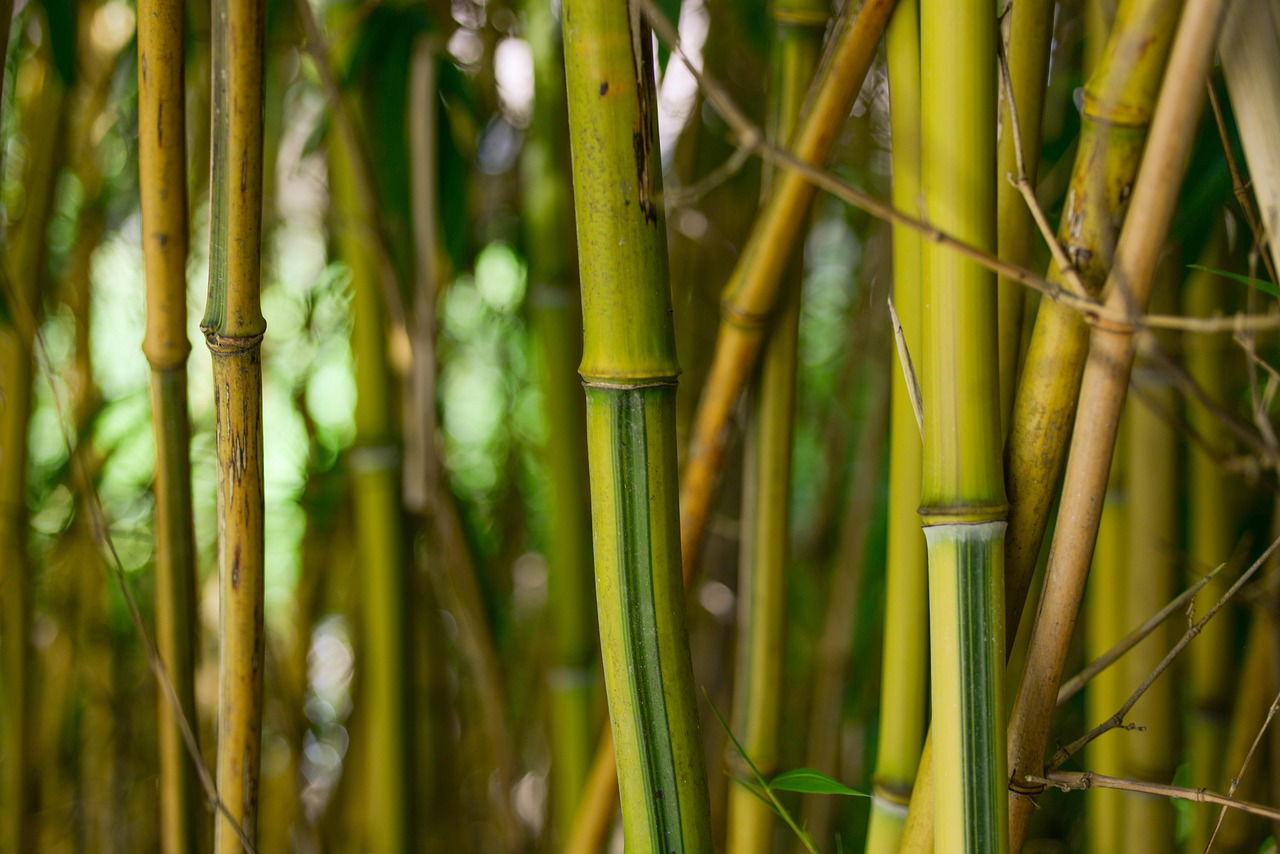
Bamboo is one of the most underutilized natural resources in Kenya. Yet it is widely available in rural areas such as Central Kenya, parts of Rift Valley, Western Kenya, and around mountain regions like the Aberdares and Mt. Kenya. A mature bamboo stem can cost as little as KSh 100 – 300, making it an extremely affordable raw material for small-scale entrepreneurs.
Despite its abundance, Kenya still imports many bamboo products even though they can easily be produced locally, creating an opportunity for local artisans and cottage industries.
If you are looking for a home-based business idea using natural materials, bamboo craft can be a profitable venture with very little startup capital.
Why Bamboo Is a Great Business Material
Bamboo has several advantages that make it ideal for cottage industries.1. Cheap and accessible
Farmers in bamboo-growing areas often sell poles cheaply.2. Fast-growing and renewable
Bamboo reaches full height in a few months and regenerates naturally, making it sustainable. 3. Strong but lightweight
It is durable and flexible, making it ideal for furniture, utensils, and décor items.4. Huge product diversity
Bamboo can be used to make baskets, furniture, utensils, decorations, and even building materials. 5. Growing demand for eco-friendly products
Consumers increasingly prefer natural and biodegradable products.
Profitable Bamboo Products You Can Make in Kenya
Here are some simple bamboo products that sell well locally.
1. Bamboo Baskets
These are among the easiest products to make.
Uses:
- Vegetable baskets
- Laundry baskets
- Decorative storage baskets
Estimated selling price:
- Small basket: KSh 300 – 500
- Large basket: KSh 800 – 1,500
Markets:
- Farmers markets
- Curio shops
- Supermarkets
- Online stores
2. Bamboo Lampshades
Handmade bamboo lampshades are popular in homes, restaurants, and lodges.
Estimated price:
- KSh 800 – 3,000 depending on design.
Target markets:
- Airbnb hosts
- Interior decorators
- Restaurants and cafés
3. Bamboo Furniture
Bamboo can be used to make:
- Chairs
- Stools
- Tables
- TV stands
- Beds
Small items like stools are easy to produce from a home workshop.
Estimated price:
- Bamboo stool: KSh 800 – 2,000
- Bamboo chair: KSh 2,500 – 6,000
4. Bamboo Kitchen Utensils
These products are small, easy to ship, and highly marketable.
Examples:
- Cooking spoons
- Spatulas
- Chopping boards
- Serving trays
Estimated price:
- Spoon: KSh 200 – 400
- Chopping board: KSh 600 – 1,200
5. Bamboo Toothpick or Skewer Business
This is a simple mass-production cottage industry.
Customers:
- Butcheries
- Hotels
- Catering businesses
- Supermarkets
6. Bamboo Flower Pots & Plant Holders
These are trendy for urban homes.
Estimated price:
- KSh 500 – 1,500 depending on design.
7. Bamboo Pen Holders and Office Decor
Small decorative items sell well in:
- Gift shops
- School bookshops
- Corporate gift markets
8. Bamboo Fencing Panels
Many homes prefer bamboo fencing because it is natural and affordable.
Uses:
- Farm fencing
- Garden decoration
- Resort landscaping
Tools Needed for a Bamboo Craft Workshop
Most bamboo products require basic woodworking tools.
Essential tools:
- Hand saw or hacksaw
- Chisel set
- Hammer
- Knife or carving tools
- Sandpaper
- Hand drill
- Measuring tape
- Wood glue
- Small clamps
Optional tools (for faster production):
- Electric drill
- Jigsaw
- Sander
- Wood planer
Estimated Budget for a Small Home-Based Bamboo Workshop
Example startup budget.
| Item | Estimated Cost (KSh) |
|---|---|
| Bamboo poles (20 pieces) | 3,000 |
| Basic tools | 5,000 |
| Workbench | 2,000 |
| Sandpaper and finishing oil | 1,000 |
| Nails and glue | 1,000 |
| Protective gear | 1,000 |
Estimated startup cost: KSh 10,000 – 15,000You can start even smaller if you already have basic tools.
Basic Bamboo Craft Production Process
1. Harvesting or buying bamboo
Choose mature bamboo that is 3–5 years old for strength.
2. Cutting
Cut bamboo into the required lengths.
3. Splitting
Split bamboo into strips for weaving or shaping.
4. Drying
Dry bamboo for several days to prevent cracking and pests.
5. Shaping and carving
Use knives or chisels to shape the product.
6. Sanding
Smooth the surface with sandpaper.
7. Finishing
Apply varnish, linseed oil, or clear lacquer to improve durability.
Legal and Business Requirements in Kenya
For a small bamboo craft venture you may need:
- County single business permit
- KEBS certification (only if selling to supermarkets)
- Brand name and packaging
- Optional business registration
If you are exporting crafts, you may also work with the Kenya Export Promotion Council.
Where to Sell Bamboo Products in Kenya
Successful bamboo entrepreneurs sell through multiple channels.
1. Local markets
Town markets and open-air markets.
2. Curio shops
Tourist areas such as:
- Nairobi
- Naivasha
- Diani
- Maasai Mara
3. Social media
Platforms like:
- Facebook Marketplace
- TikTok
4. Home décor shops
Interior décor stores often buy handmade items.
5. Online marketplaces
- Jumia
- Jiji
- Kilimall
Tips for Success in the Bamboo Craft Business
1. Focus on design
Unique designs attract better prices.2. Treat bamboo properly
Use preservatives or natural oils to prevent insect damage.3. Start with small items
They require less material and sell faster.4. Work with farmers
Build relationships with bamboo growers for consistent supply.5. Learn from YouTube tutorials
Many bamboo craft techniques are easy to learn online.6. Target eco-friendly markets
Hotels and eco-resorts love bamboo décor.
Final Thoughts
Bamboo craft is one of the cheapest businesses to start in rural Kenya. With bamboo stems costing as little as KSh 100–300, entrepreneurs can turn this affordable raw material into profitable products such as furniture, baskets, lamps, utensils, and décor items.
With growing demand for eco-friendly products, bamboo enterprises have huge potential to generate income, create jobs, and promote sustainable use of natural resources in Kenya.
For anyone looking for a low-capital cottage industry, bamboo craft is an opportunity worth exploring.