Banana Value Addition Business in Kenya
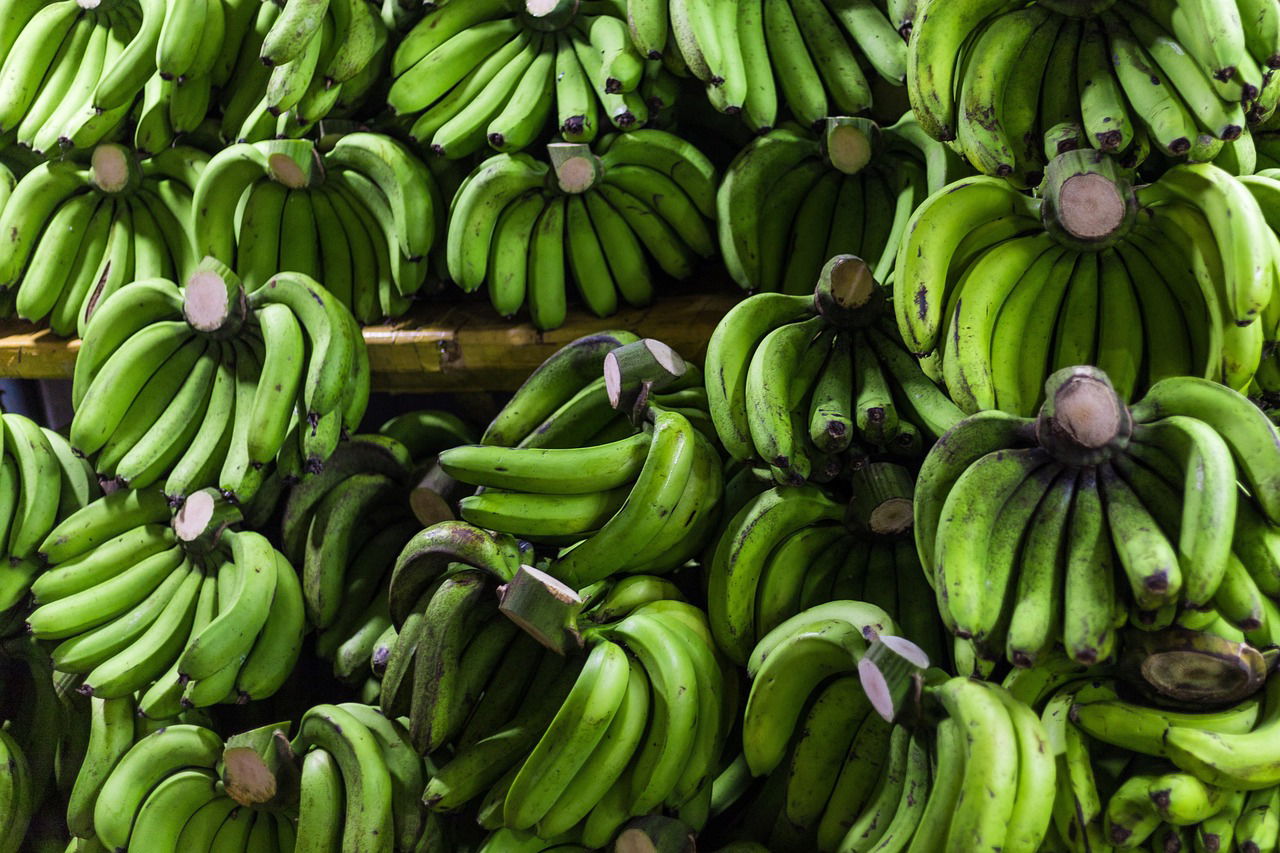
Bananas are among the most widely grown and consumed fruits in Kenya. However, due to their highly perishable nature, farmers and traders often suffer losses during peak harvest seasons. Value addition offers a practical and affordable solution, especially through small, home-based or cottage industry models that do not require heavy capital investment. This article introduces viable, low-capital banana value-addition ideas suitable for individuals, youth groups, women groups, and small entrepreneurs in Kenya. It also provides a tentative start-up budget to help you understand what it takes to begin.
Why Banana Value Addition Makes Sense in Kenya
Kenya produces bananas throughout the year, especially in regions like Murang’a, Meru, Kisii, Kirinyaga, Embu, Tharaka Nithi, and parts of Western Kenya. The challenges farmers face include:
- Post-harvest losses
- Low farm-gate prices
- Market gluts during peak seasons
- Short shelf life
Value addition helps by:
- Extending shelf life
- Increasing product price per unit
- Opening access to supermarkets and urban markets
- Creating employment and cottage industry opportunities
The best part? Many of these ventures can start from a simple home kitchen setup.
1. Banana Chips (Crisps)
Overview
Banana chips are thinly sliced green bananas that are either fried or solar-dried and packaged as snacks.
Why It’s Attractive
- High demand as a snack product
- Long shelf life (2–6 months depending on packaging)
- Easy to produce
- Good profit margins
Basic Requirements
- Banana slicer or sharp knives
- Cooking pan & stove (for frying option)
- Cooking oil
- Solar dryer (for healthier dried option)
- Packaging materials (branded pouches)
- Weighing scale
Market
- Local shops
- Supermarkets
- Schools
- Bus stages
- Online and social media sales
2. Banana Flour
Overview
Green bananas are peeled, sliced, dried, and milled into flour. The flour can be used for porridge, baking, or mixed with wheat flour.
Why It’s Attractive
- Long shelf life (6–12 months)
- Growing demand among health-conscious consumers
- Suitable for diabetics and gluten-sensitive consumers
- Can supply bakeries
Basic Requirements
- Peeling and slicing tools
- Solar or electric dryer
- Small hammer mill or access to milling services
- Sealing machine
- Packaging materials
Market
- Health food shops
- Supermarkets
- Online stores
- Local bakeries
3. Dried Banana Slices
Overview
Ripe or semi-ripe bananas are sliced and dried using solar dryers to produce naturally sweet snacks.
Why It’s Attractive
- Low processing complexity
- No need for frying oil
- Healthier snack option
- Potential export market if scaled
Requirements
- Solar dryer
- Slicing tools
- Airtight packaging
4. Banana Jam & Puree
Overview
Ripe bananas are cooked with sugar and lemon to produce jam. Puree can be sold to bakeries or juice makers.
Why It’s Attractive
- Very simple kitchen setup
- Good use of overripe bananas
- Value addition from otherwise wasted fruit
Requirements
- Cooking pots
- Gas stove or jiko
- Glass jars
- Labels
Market
- Local grocery shops
- Hotels
- Schools
- Individual households
5. Banana Porridge Mix
Overview
Banana flour blended with millet, sorghum, cassava, or maize flour to produce ready-to-cook nutritious porridge.
Why It’s Attractive
- High nutritional value
- Marketable to families with young children
- Can be branded as a health product
Requirements
- Flour mixing equipment (manual or small mixer)
- Weighing scale
- Packaging and sealing machine
6. Banana Bread & Baked Products
Overview
Use ripe mashed bananas to make cakes, mandazi, muffins, and bread.
Why It’s Attractive
- Very low start-up capital if you already own an oven
- High turnover in local estates
- Easy to test market
Requirements
- Oven
- Baking trays
- Mixing bowls
- Packaging materials
Tentative Budget for a Small Cottage Banana Value-Addition Setup (Kenya)
Below is an estimated budget for starting small-scale production of banana chips and flour (home-based model):
| Item | Estimated Cost (KES) |
|---|---|
| Solar dryer (small to medium) | 25,000 – 60,000 |
| Deep fryer / large sufuria | 5,000 – 15,000 |
| Banana slicer | 3,000 – 10,000 |
| Sealing machine | 5,000 – 15,000 |
| Weighing scale | 3,000 – 8,000 |
| Initial packaging materials | 10,000 – 20,000 |
| Initial raw bananas stock | 10,000 – 20,000 |
| Business permits & basic certifications | 10,000 – 25,000 |
| Miscellaneous & branding | 10,000 – 20,000 |
Estimated Total Startup Capital:
KES 80,000 – 200,000 (depending on scale and equipment quality)A smaller home-kitchen version (without solar dryer and advanced packaging) can start from as low as KES 40,000 – 70,000.
Important Considerations Before Starting
1. Business Registration
Register your business name and obtain necessary county permits.
2. Food Safety Compliance
For packaged food products, compliance with:
- County public health requirements
- Kenya Bureau of Standards (KEBS) guidelines
- Kenya Industrial Research and Development Institute (for product testing support)
3. Branding & Packaging
Modern consumers buy with their eyes. Invest in:
- Attractive labels
- Clear nutritional information
- Professional packaging
4. Start Small, Scale Gradually
Begin with one product (e.g., banana chips), test your market, then expand into flour or porridge mix once consistent demand is established.
Is Banana Value Addition Profitable?
Yes — especially when:
- You source bananas directly from farmers at lower prices
- You operate from home initially
- You focus on shelf-stable products
- You build strong local distribution channels
The profit margins on processed banana products can be significantly higher than selling raw bananas, particularly during peak harvest seasons when farm-gate prices are low.
Conclusion
Banana value addition in Kenya presents a practical, affordable cottage industry opportunity for small entrepreneurs. With modest capital, basic equipment, and proper branding, individuals or groups can transform a perishable fruit into multiple high-value products with longer shelf life and wider market access. In the next article, we can break down each idea individually — starting with a detailed step-by-step guide, cost breakdown, and profit projection for your preferred product. Let me know which one you’d like to explore first.