Boiled Arrowroots (Nduma) Business SOP in Kenya
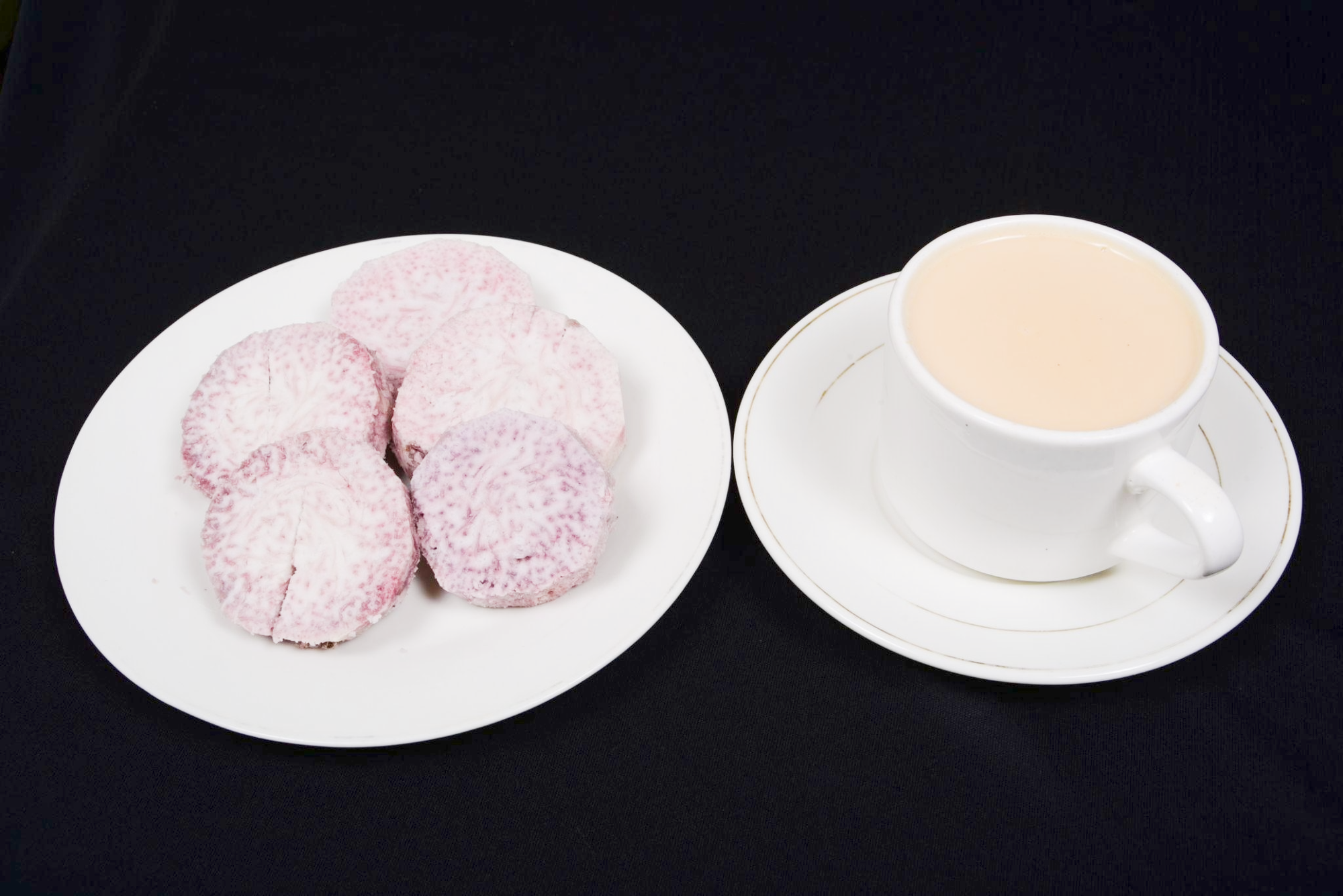
1. Overview
This SOP outlines how to run a simple, low-cost boiled arrowroot business targeting:
- Morning commuters
- Estate residents
- Market shoppers
The model is built for small daily cash flow with high turnover.
2. Business Setup Requirements
Equipment
- Large sufuria (cooking pot)
- Jiko (charcoal stove) or gas burner
- Knife & peeler
- Basin (for washing)
- Clean water container
- Serving container (bucket or insulated flask)
- Small table or roadside stand
Raw Materials (Daily)
- Fresh arrowroots (20–50 kg depending on scale)
- Clean water
- Salt (optional)
3. Production Process (Step-by-Step)
Step 1: Sourcing
- Buy directly from farmers or harvest your own
- Choose:
- Medium to large tubers
- Fresh (not fibrous or overgrown)
Step 2: Sorting & Cleaning
- Remove damaged or rotten tubers
- Wash thoroughly to remove soil
Step 3: Peeling
- Peel outer skin using a knife
- Rinse again after peeling
Step 4: Boiling
- Place arrowroots in sufuria
- Add water until fully covered
- Add a pinch of salt (optional)
Cook for:
- 45–90 minutes depending on size
Step 5: Testing Readiness
- Pierce with a knife or fork
- Should be soft inside
Step 6: Draining & Holding
- Drain excess water
- Keep warm:
- Covered sufuria
- Or insulated container
Warm nduma sells better than cold.
4. Selling Process
Portioning
- Sell per piece or small heap:
- Ksh 10
- Ksh 20
- Ksh 50 portions
Serving Options
- Plain boiled nduma
- With salt
- With chili/pepper (optional upgrade)
Best Selling Times
- 6:30 AM – 10:00 AM (peak breakfast)
- 4:00 PM – 6:30 PM (evening snack)
5. Strategic Selling Locations
- Near bus stages
- Outside schools
- Market entrances
- Busy estates
Foot traffic = sales.
6. Daily Operations Flow
Morning Routine:
- Start boiling at 5:30–6:00 AM
- Set up selling point by 6:30 AM
- Sell until stock reduces
Midday:
- Optional second batch
Evening:
- Sell remaining stock or boil fresh small batch
7. Pricing & Profit Example
Example (Small Startup):
- 20 kg arrowroots @ Ksh 40/kg = Ksh 800
- Fuel + salt = Ksh 200
Total Cost: Ksh 1,000Selling:
- Portioning into Ksh 10–20 servings
- Total sales ≈ Ksh 1,800 – 2,500
Profit: Ksh 800 – 1,500 per day
8. Hygiene & Quality Standards
- Use clean water
- Wash hands regularly
- Cover food from dust
- Use clean serving tools
Cleanliness directly affects sales.
9. Value Addition Upgrades (Scale Up)
Once stable, you can:
- Add tea/porridge combo
- Package in branded paper bags
- Offer delivery to offices
- Combine with:
- Sweet potatoes
- Boiled maize
10. Key Success Tips
- Consistency beats size—sell daily
- Location matters more than volume
- Keep nduma hot and fresh
- Build repeat customers (regulars)
- Start small, reinvest profits
11. Common Mistakes to Avoid
- Overcooking (becomes too soft)
- Undercooking (hard inside)
- Poor location choice
- Selling cold nduma
- Ignoring cleanliness
12. Final Insight
Boiled nduma is one of the simplest agribusiness value addition models in Kenya. With minimal capital, you convert a low-cost farm product into a daily cash-generating business.
For someone with access to arrowroots, especially own farm, this is not just value addition, it’s profit multiplication.