Cayenne Pepper Weekly Spray Program and Fertilizer Schedule: From Transplanting to First Harvest
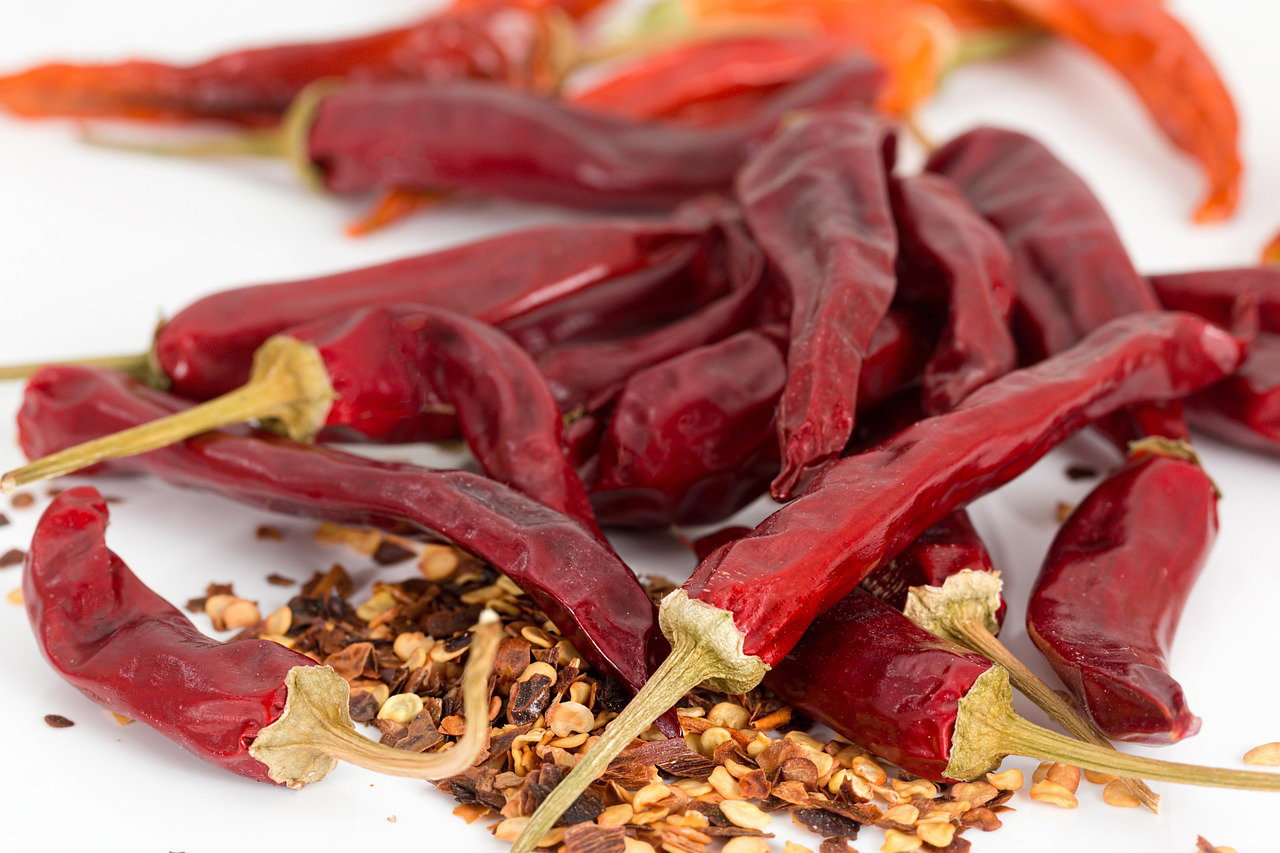
This structural program outlines the essential stages from the day you transplant your cayenne pepper seedlings in Kenya up to your first harvest (around Week 12).
Important Spraying Safeguard: When mixing insecticides or fungicides in your 20-litre knapsack sprayer, always add a wetting/spreading agent (such as Aquawet or Integra) to ensure the chemicals stick to the glossy surface of the pepper leaves.
Stage 1: Establishment & Rooting (Weeks 1 to 3)
The primary focus is managing transplant shock, securing deep root systems, and protecting delicate young stems from cutworms.
Week 1
- Crop Management: Ensure consistent, gentle drip irrigation every morning. Walk the field to check for missing or dying seedlings and replace them immediately (gapping) to preserve your plant population.
- Nutrition & Spray: Apply DAP / Fertilizer Power (approx. 10g per hole) well-mixed with the soil at transplanting. Spray a tank mix of Systema 50EC (20ml) + Goldazim 500SC (20ml) per 20L of water around the base of the plants.
- Target: Root establishment, preventing cutworms and early damping-off fungus.
Week 2
- Crop Management: Shallow weeding around the plant basins. Avoid digging too deeply to protect new feeder roots.
- Nutrition & Spray: Foliar spray using a starter booster rich in Phosphorus and bio-stimulants (e.g., Goldmax Starter or Easygro Starter at 40g/20L) combined with Pegasus (20ml) or Dynamec (10ml).
- Target: Boosting root growth; preventative protection against early thrips, aphids, and spider mites.
Week 3
- Crop Management: Check drip lines for blockages. First major open-field weed clearance between the rows.
- Nutrition & Spray: First soil top-dressing around the plant base. Apply CAN at a rate of 40-50 kg per acre. Follow up with a foliar spray of Score (20ml/20L) for leaf health.
- Target: Igniting rapid vegetative growth and preventing early leaf spot diseases.
Stage 2: Vigorous Vegetative Growth (Weeks 4 to 6)
The focus shifts to building a thick plant canopy and generating robust branches capable of holding heavy fruit.
Week 4
- Crop Management: Scout the underside of leaves for tiny yellow/translucent insects (thrips and aphids) that cause leaf-curling.
- Nutrition & Spray: Foliar spray using a high-nitrogen vegetative booster (Easygro Vegetative or Goldmax Vegetative at 40g/20L) combined with Match 50EC (25ml) or Engeo (10ml).
- Target: Rapid canopy branching; elimination of chewing caterpillars and sap-sucking pests.
Week 5
- Crop Management: Clear any creeping weeds. If your cayenne variety grows tall or the area experiences high winds, begin localized staking.
- Nutrition & Spray: Spray Sulcop or Mastercop (20ml/20L) copper-based fungicide, mixed with Rapid (10ml/20L) or Confidor.
- Target: Critical preventative barrier against Bacterial Leaf Spot and Early Blight.
Week 6
- Crop Management: Second soil top-dressing. Apply NPK 17:17:17 (50 kg per acre) to transition the plant's internal biology from vegetative to structural flowering.
- Nutrition & Spray: Apply a trace-element foliar spray rich in Magnesium and Zinc to maximize chlorophyll levels.
- Target: Complete leaf coverage and preparation for high-density bud formation.
Stage 3: Flowering & Early Fruit Set (Weeks 7 to 9)
Crucial turning point. Nutritional deficiencies or pest damage at this stage cause flower abortion, ruining potential yields.
Week 7
- Crop Management: Do not over-water or under-water. Keep soil moisture completely uniform; radical moisture swings trigger massive flower drops.
- Nutrition & Spray: Foliar spray with Easygro Flower & Fruit (40g/20L) or Nitrabor, mixed with Engeo (10ml) + Topguard (20ml).
- Target: Supplying potassium and boron for flower formation; knocking down thrips inside the blossoms.
Week 8
- Crop Management: Inspect young developing pods for small pinpricks, which indicate early African Bollworm or Pepper Maggot activity.
- Nutrition & Spray: Apply a dedicated Calcium-Boron foliar feed (like Calmagzinc or YaraVita Stopit at 40ml/20L) combined with Emmaron (15ml) or Karate Zeon (12ml).
- Target: Providing Calcium to stop Blossom End Rot (black rotting at the fruit tips); wiping out boring worms.
Week 9
- Crop Management: Ensure pathways between rows are clear to allow easy monitoring.
- Nutrition & Spray: Spray Luna Sensation (10ml/20L) or Ridomil (40g/20L) to combat potential mildews, combined with a mild bio-pesticide like Nimbecidine (Neem oil) to deter whiteflies.
- Target: Eradicating Powdery Mildew and maintaining clean, virus-free plants.
Stage 4: Fruit Elongation & Maturity (Weeks 10 to 12)
The final stretch before harvest. Chemical selections must strictly respect low Pre-Harvest Intervals (PHI) to guarantee safe produce.
Week 10
- Crop Management: Third and final soil application of NPK 17:17:17 mixed with Nitrabor via fertigation or ring placement to maximize final fruit weight.
- Nutrition & Spray: Foliar spray using Multi-K or a high-potassium liquid feed (Sure K at 40ml/20L) combined with Nordox or Copper Oxychloride (20g).
- Target: Directing plant sugars straight into the fruit to achieve proper length, firmness, and intense pungency.
Week 11
- Crop Management: Prepare your harvesting infrastructure (clean, well-ventilated plastic crates, scales, and sorting tables).
- Nutrition & Spray: Clean water rinse spray or short-residual insect control using Atom 2.5EC (15ml/20L) if sucking pests emerge. Atom has a short PHI of only 1 day.
- Target: Final pest clean-up while ensuring chemical residues dissipate entirely before human consumption.
Week 12 (First Harvest)
- Crop Management: Harvest time. Meticulously snip mature, elongated cayenne peppers leaving a 1cm green stem attached.
- Safety Rule: ZERO spraying during the active harvest days. If an outbreak occurs mid-harvest, only use organic/biological agents with a 0-day waiting period.
A Note on Local Spray Rotation: To avoid creating super-pests on your farm, never use the same chemical active ingredient back-to-back. Rotate your chemistry classes (e.g., switch from Neonicotinoids like Confidor to Pyrethroids like Karate Zeon) as mapped out above.