Chick Incubation Business in Kenya: A Complete Beginner Guide
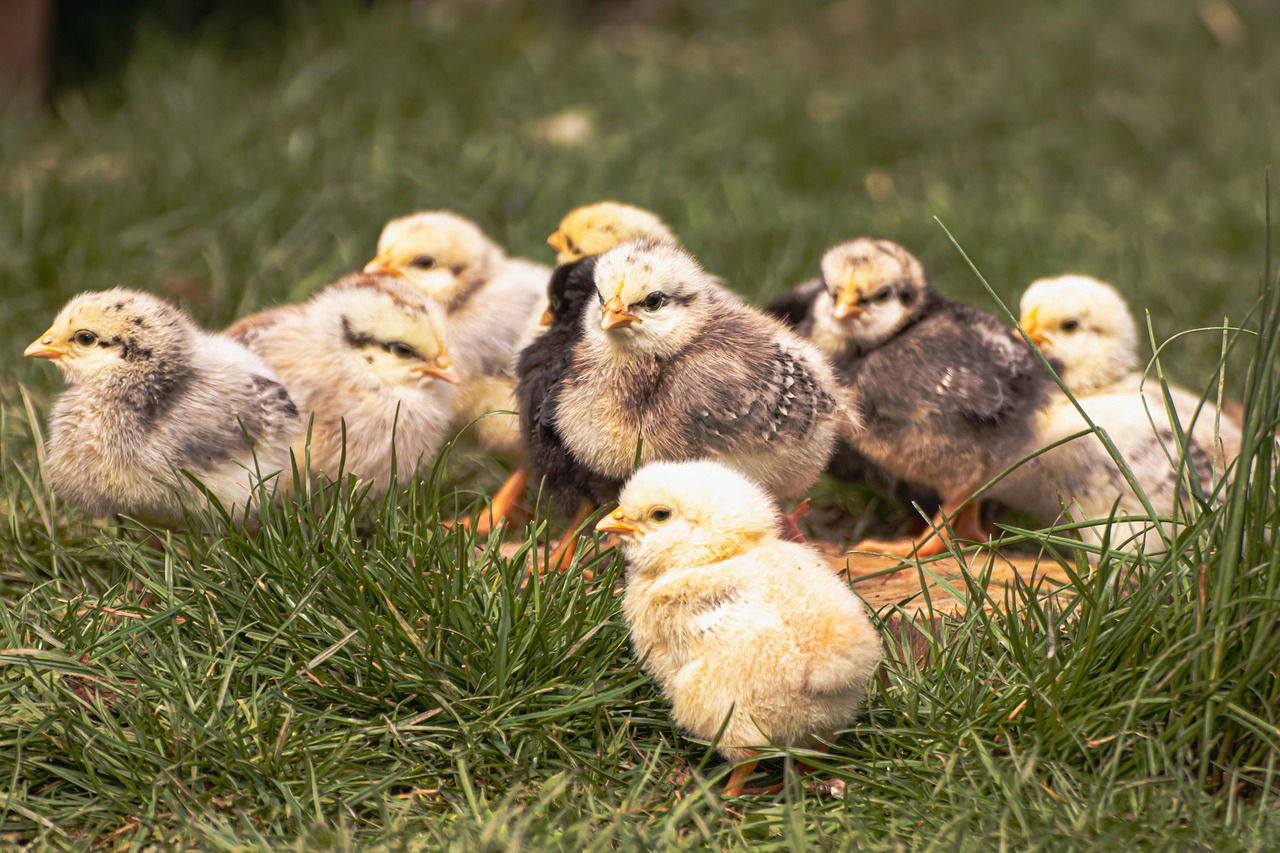
Poultry farming is one of the fastest-growing agribusiness sectors in Kenya. Thousands of small farmers want to raise chickens but prefer to buy day-old chicks instead of hatching eggs themselves. This creates an opportunity for entrepreneurs to start a small-scale chick incubation business. With a small incubator costing about KSh 10,000 and fertilized eggs costing KSh 20–25, a home-based hatchery can become a profitable micro-business if managed properly. This guide explains everything you need to know including the incubation process, startup budget, equipment needed, and potential profits.
Is Chick Incubation Business Profitable in Kenya?
Yes, the business can be profitable even at a small scale. Typical market prices in Kenya:
| Product | Average Selling Price |
|---|---|
| Day-old chick | KSh 90 – 100 |
| 1 week old chick | KSh 150 |
| 2 week old chick | KSh 200 |
A chicken egg takes 21 days to hatch under proper incubation conditions. With good incubation management, hatch rates can reach 80–90%.
Example Profit Calculation (64 Egg Incubator)
Assumptions:
- Incubator capacity: 64 eggs
- Fertile egg cost: KSh 25
- Hatch rate: 80%
- Day-old chick price: KSh 100
Cost of Eggs
64 eggs × 25 = KSh 1,600
Expected Hatch
80% hatch rate = 51 chicks
Revenue (Day-old chicks)
51 × 100 = KSh 5,100
Gross Profit Per Batch
Revenue = 5,100
Egg cost = 1,600Gross profit = KSh 3,500Since incubation takes 21 days, you can run about 1 batch per month with a single incubator. Estimated monthly profit: KSh 3,000 – 4,000If you raise the chicks for 1–2 weeks, profits increase significantly.Example:51 chicks × 200 (2-week old price)Revenue = KSh 10,200Even after feeding costs, profits can double. Many small hatcheries therefore sell chicks at 7–14 days old for higher margins.
What You Need to Start a Small Hatchery
1. Incubator
Small incubators (50–100 eggs) cost about KSh 10,000 and are suitable for beginners. Types include:
- Manual incubators
- Semi-automatic incubators
- Fully automatic incubators
Automatic models are easier because they turn eggs automatically and regulate temperature.
2. Fertilized Eggs
You can source eggs from:
- Local poultry farmers
- Kienyeji chicken breeders
- Broiler breeder farms
Egg quality is critical. Good hatching eggs should be:
- Less than 4 days old
- Clean and crack-free
- Medium sized
- Oval shaped with strong shells
3. Electricity or Backup Power
Incubators run continuously for 21 days. Power interruptions can reduce hatch rates.
Possible solutions:
- Solar power
- Battery backup
- Small inverter
4. Brooder for Chicks
If selling 1-2 week old chicks, you need a brooder. Basic brooder items:
- Heat lamp or brooder plate
- Chick feeder
- Chick drinker
- Wood shavings or sawdust
Step-by-Step Chick Incubation Process
1. Select Good Fertilized Eggs
Choose eggs that are:
- Fresh
- Clean
- Uniform in size
- Without cracks
Avoid very large or very small eggs.
2. Store Eggs Correctly
Before incubation:
- Store eggs at 16–18°C
- Place with broad end up
- Do not store for more than 7 days
Older eggs reduce hatch success.
3. Prepare the Incubator
Before loading eggs:
- Clean and disinfect the incubator
- Run it empty for 24 hours
- Confirm temperature and humidity stability
4. Set the Eggs in the Incubator
Place eggs with the pointed side down. Important incubation conditions: Temperature: 37.5°C
Humidity: 60–65%
5. Turn Eggs Daily
Eggs must be turned to prevent the embryo from sticking to the shell. Manual incubator: Turn eggs 3–5 times per day. Automatic incubators handle this automatically.
6. Candle the Eggs
Candling means shining light through the egg to see embryo development. Typical candling schedule:
- Day 7
- Day 14
Remove infertile or dead eggs.
7. Stop Turning Eggs (Lockdown)
On day 18, stop turning eggs. Increase humidity slightly. This stage prepares chicks for hatching.
8. Hatching Period
Chicks begin hatching between day 20 and 21.Do not open the incubator frequently. Opening reduces humidity and can delay hatching.
9. Transfer Chicks to Brooder
Leave chicks inside incubator for 12–24 hours until dry. Then move them to a warm brooder.
Equipment Needed for a Small Hatchery
| Item | Estimated Cost (KSh) |
|---|---|
| 64 egg incubator | 10,000 |
| Brooder setup | 3,000 |
| Feeders & drinkers | 1,000 |
| Heat lamp | 1,000 |
| Backup battery/inverter | 5,000 |
| Initial fertilized eggs | 1,600 |
Estimated Startup Capital
KSh 20,000 – 25,000This makes it a very accessible agribusiness for beginners.
Potential Markets for Chicks
You can sell chicks to:
- Smallholder farmers
- Rural households
- Youth poultry projects
- Poultry farmers expanding flocks
- Agrovet shops
- Farmer WhatsApp groups
Demand is usually high during:
- January – March
- September – November
These are common restocking seasons for poultry farmers.
Tips for Success in Chick Incubation
1. Always Use Fresh Eggs
Egg fertility drops quickly after 7 days.
2. Maintain Correct Temperature
Even small temperature changes can kill embryos.
3. Buy Eggs from Reliable Breeders
Poor fertility means fewer chicks.
4. Keep the Incubator Clean
Disinfect after every batch. This prevents disease spread.
5. Build a Market Before Hatching
Advertise chicks in advance through:
- Facebook groups
- WhatsApp farmer groups
- Local agrovet shops
6. Consider Multiple Breeds
Popular breeds include:
- Kienyeji
- Improved kienyeji
- Layers
- Broilers
- Rainbow rooster chickens
Different farmers prefer different breeds.
Challenges of the Chick Incubation Business
Like any agribusiness, there are risks:
Power outages Electricity loss can kill embryos.
Low egg fertility Some batches may have poor hatch rates.
Temperature fluctuations Poor incubator control reduces success rates.
Disease Poor hygiene can affect chicks.
Proper management solves most of these issues.
Final Verdict: Is It Worth Starting?
Yes, Chick incubation is one of the best small agribusiness ideas in Kenya because:
- Low startup capital (about KSh 20k)
- Fast production cycle (21 days)
- High demand for chicks
- Easy to scale by adding more incubators
A serious entrepreneur can scale from one incubator to a small hatchery within a year. Starting with just two incubators could double profits to over KSh 7,000 per month, with even higher income if chicks are sold at 1–2 weeks old.
✅ Conclusion
If you can secure a reliable supply of fertile eggs and maintain proper incubation conditions, the chick incubation business can be a simple, profitable, home-based venture in Kenya. It is especially ideal for:
- Youth entrepreneurs
- Rural households
- Small-scale farmers
- Side hustlers looking for additional income.