Coffee Farming in Kenya: Profit Per Acre Breakdown (Complete Guide for Farmers)
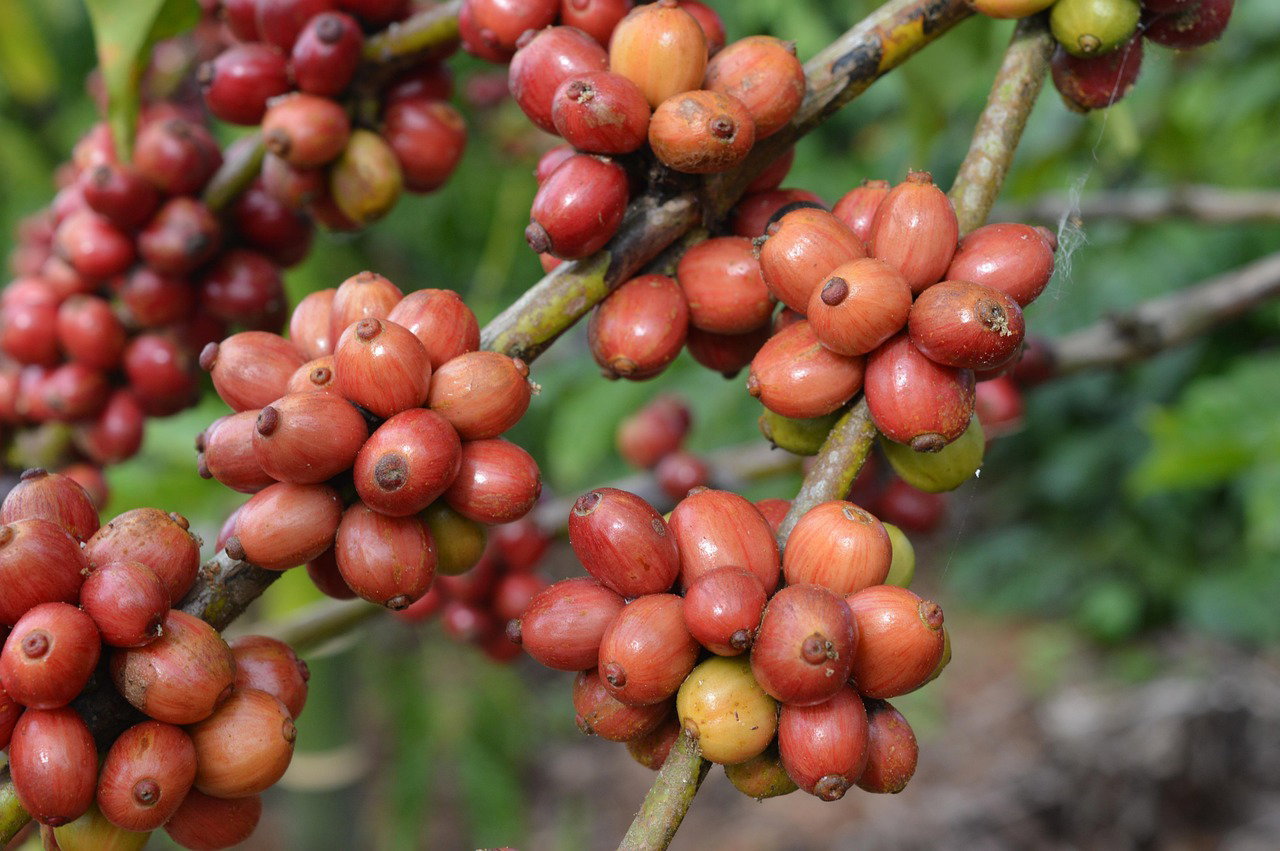
Coffee is one of Kenya’s most valuable agricultural crops and remains a major source of income for thousands of smallholder farmers. Kenyan coffee is globally recognized for its exceptional flavor profile, high acidity, and strong market demand in specialty coffee markets.
However, many farmers and beginners often ask a critical question: How much profit can one acre of coffee make in Kenya?
This guide breaks down the costs, yields, and realistic profit potential per acre, helping farmers understand whether coffee farming is a worthwhile investment.
Coffee Varieties Commonly Grown in Kenya
The most common coffee varieties grown today include:
SL28
- Traditional Kenyan variety
- Excellent cup quality
- Deep root system
- Highly susceptible to diseases
SL34
- Similar to SL28
- Thrives in high rainfall areas
- Produces high-quality beans
Ruiru 11
- Compact tree
- Disease resistant
- High yield per acre
Batian
- Modern variety
- Good disease resistance
- Improved cup quality
Many farms plant a combination of these varieties to balance productivity and quality.
Coffee Tree Population Per Acre
The number of trees per acre depends on the variety and spacing.
Typical spacing:
- 8 ft × 8 ft spacing
This gives approximately:680 – 700 coffee trees per acre
Compact varieties like Ruiru 11 may allow even higher density.
Coffee Yield Per Tree
Average yields depend on farm management, rainfall, and variety.
Typical yield per mature tree:
- 3 – 5 kg of cherry per year
Average assumption for calculations:4 kg per tree
Coffee Yield Per Acre
Example calculation:
700 trees × 4 kg cherries= 2,800 kg coffee cherries per acre
Coffee cherries are then processed into clean green coffee beans.
Conversion ratio:
About 5 kg cherries → 1 kg clean coffee
Therefore:
2,800 kg cherries ÷ 5= 560 kg clean coffee per acre
Coffee Price in Kenya
Prices vary depending on:
- Cooperative performance
- Global coffee prices
- Coffee quality grade
Typical farm-gate price range:
Ksh 80 – 120 per kg of cherry
For calculation purposes we use:
Ksh 100 per kg of cherry
Revenue Per Acre
Total cherries produced:
2,800 kg
Price: Ksh 100 per kg
Total revenue:
Ksh 280,000 per acre per year
Annual Production Costs Per Acre
Coffee farming has several recurring costs.
Farm Inputs
| Item | Cost (Ksh) |
|---|---|
| Fertilizer | 25,000 |
| Manure | 10,000 |
| Pesticides & fungicides | 15,000 |
Total: 50,000
Labor Costs
| Activity | Cost (Ksh) |
|---|---|
| Pruning | 5,000 |
| Weeding | 10,000 |
| Harvesting | 20,000 |
| General farm work | 10,000 |
Total labor cost: 45,000
Other Costs
| Item | Cost (Ksh) |
|---|---|
| Transport to factory | 5,000 |
| Tools & maintenance | 5,000 |
Total: 10,000
Total Annual Cost
Farm inputs: 50,000
Labor: 45,000
Other costs: 10,000
Total cost: Ksh 105,000 per acre
Estimated Profit Per Acre
Revenue: Ksh 280,000
Total costs: Ksh 105,000
Estimated profit: Ksh 175,000 per acre per year
When Coffee Begins Producing
Coffee requires patience before income begins.
| Year | Production |
|---|---|
| Year 1 | No harvest |
| Year 2 | Small harvest |
| Year 3 | Moderate harvest |
| Year 4 onward | Full production |
Coffee trees can remain productive for 30–50 years if well maintained.
Ways Farmers Increase Coffee Profit
Successful farmers use several strategies.
Plant Improved Varieties
Varieties such as Ruiru 11 and Batian produce higher yields.
Proper Pruning
Regular pruning improves production.
Apply Fertilizer
Coffee is a heavy feeder and requires nutrients.
Timely Harvesting
Only ripe cherries should be picked to improve quality.
Join Strong Cooperatives
Good factories can pay higher prices for quality coffee.
Additional Income Opportunities
Coffee farming can generate income beyond selling cherries.
Coffee Seedling Nurseries
Farmers can sell grafted seedlings.
Price per seedling: Ksh 80 – 150
Coffee Pulp Compost
Coffee pulp can be converted into organic fertilizer.
Value Addition
Farmers can process coffee into:
- Roasted coffee
- Ground coffee
- Specialty coffee brands
These products earn much higher margins.
Risks in Coffee Farming
Coffee farming also faces challenges.
Climate Change
Unpredictable rainfall affects production.
Diseases
Major diseases include:
- Coffee Berry Disease
- Coffee Leaf Rust
Price Fluctuations
Global coffee prices can vary significantly.
Is Coffee Farming Worth It?
Yes, when well managed, coffee can be a highly profitable crop.
With profits of over Ksh 150,000 per acre, coffee remains a strong investment for farmers in high-potential coffee-growing areas such as:
- Central Kenya
- Kiambu
- Murang’a
- Nyeri
- Kirinyaga
- Embu
Final Thoughts
Coffee remains one of Kenya’s most valuable agricultural exports and continues to offer strong income opportunities for farmers who invest in modern varieties, proper farm management, and quality processing.
With the right practices, even small-scale farmers can earn significant income from just one acre of coffee.