Complete Guide to Rainbow Rooster Farming in Kenya | Part 1 Overview
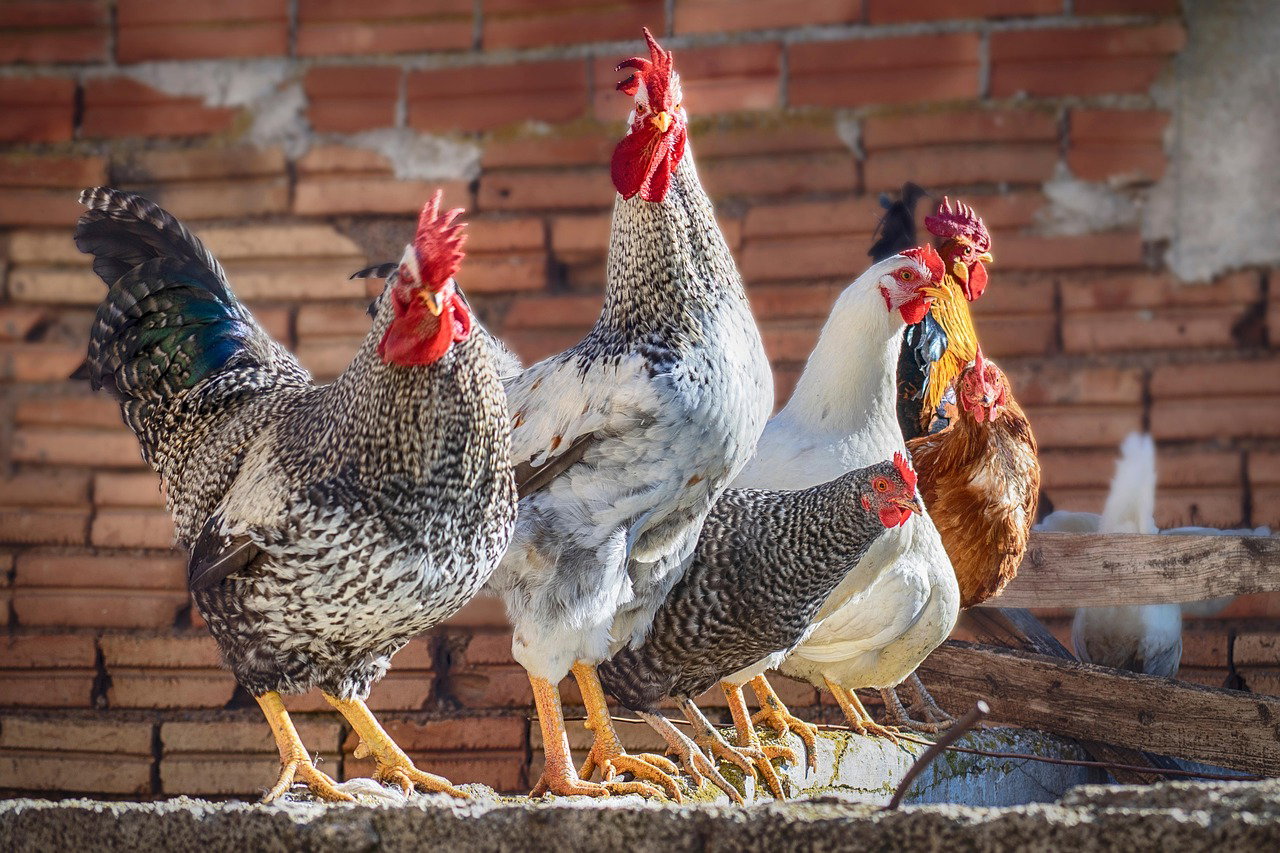
Rainbow Rooster Farming in Kenya: Why This Dual-Purpose Bird is Outperforming Kienyeji and Layers
Poultry farming remains one of the most reliable agricultural ventures in Kenya, but choosing the right breed can make or break your profitability. Traditional Kienyeji birds are hardy and highly preferred by consumers for their taste, but their slow growth rate and modest egg production make them tough to scale commercially. On the flip side, commercial broilers and layers yield high volumes but require intensive management, expensive specialized feeds, and delicate handling.
Enter the Rainbow Rooster, an Indian-origin, dual-purpose hybrid that has rapidly become a favorite among smallholder and commercial poultry farmers across Kenya.
In Part 1 of our complete Rainbow Rooster series, we dive deep into what makes this bird unique, how it performs in local conditions, and why it might be the ideal addition to your farm.
What is a Rainbow Rooster?
The Rainbow Rooster is a dual-purpose breed developed by Indbro Research & Breeding Farms in India and introduced to the East African market by Indbro and regional distributors. It was bred specifically to combine the meat quality and hardiness of indigenous village chickens with the fast growth rates and high egg yields of commercial hybrids.
Unlike standard commercial birds that require complete confinement, Rainbow Roosters thrive in scavenging, semi-intensive, and intensive management systems, making them uniquely suited to smallholder farming conditions in Kenya.
Key Performance Characteristics
1. Superior Growth & Meat Production
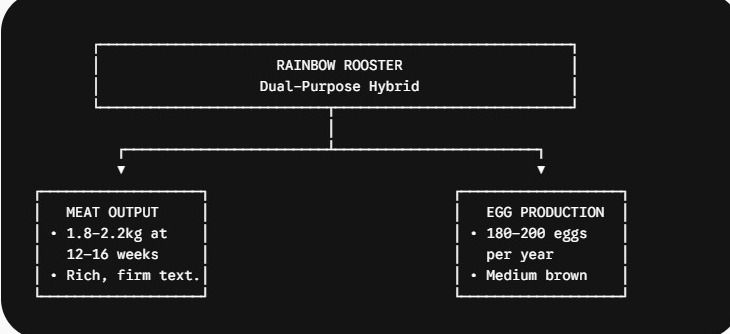
- Mature Weight: Cocks weigh between 3.0 kg and 4.0 kg, while hens reach 2.2 kg to 3.0 kg at full maturity.
- Table-Ready Timeline: For meat production, birds reach an optimal slaughter weight of 1.8 kg to 2.2 kg within 12 to 16 weeks under good feeding protocols. In comparison, traditional Kienyeji chickens often take 24 to 30 weeks to reach similar weights.
- Meat Taste & Texture: The meat is firmer and leaner than soft broiler meat, closely mimicking the rich flavor of authentic Kienyeji, a massive selling point in the local market.
2. Reliable Egg Yields
- Point of Lay: Rainbow Rooster pullets begin laying between 20 and 24 weeks of age.
- Annual Output: A well-managed hen can produce 180 to 200 medium-to-large brown eggs per year.
- Egg Quality: The eggs have strong shells and deep yellow yolks, especially when birds are allowed free-range access to forage.
3. Hardiness & Disease Tolerance
- Scavenging Ability: Rainbow Roosters retain strong natural foraging instincts. They supplement their diet with grass, insects, household scraps, and kitchen waste.
- Climate Resilience: They adapt exceptionally well to varying Kenyan climatic conditions, from hot lowland regions like Coast and Ukambani to cooler highlands like Nyandarua and Eldoret.
- Disease Resistance: While they require standard vaccination schedules (Newcastle, Gumboro, Fowl Pox), their genetic resilience gives them significantly higher survival rates under field conditions compared to standard broilers.
Rainbow Rooster vs. Traditional & Improved Kienyeji
To help you decide if Rainbow Roosters fit your goals, here is how they stack up against other popular breeds raised in Kenya:
| Feature | Rainbow Rooster | Traditional Kienyeji | Improved Kienyeji (KALRO/Kuroiler) | Commercial Layers |
| Primary Purpose | Dual (Meat & Eggs) | Dual (Meat & Eggs) | Dual (Meat & Eggs) | Purely Eggs |
| Weight at 16 Weeks | 1.8 – 2.2 kg | 0.8 – 1.1 kg | 1.5 – 1.8 kg | N/A (Not for meat) |
| Age at First Egg | 20 – 24 Weeks | 28 – 32 Weeks | 20 – 22 Weeks | 18 – 20 Weeks |
| Annual Egg Production | 180 – 200 | 60 – 100 | 180 – 220 | 280 – 320 |
| Feed Conversion Efficiency | High | Low | Moderate–High | High |
| Adaptability to Free-Range | Excellent | Exceptional | Excellent | Poor |
| Broodiness (Sitting on Eggs) | Low (Rarely sits) | High | Low | None |
Economic Advantages for Kenyan Farmers
- Flexible Feeding Options: Because they do not rely strictly on 100% commercial feeds, you can formulate farm-made rations using local ingredients like maize germ, pollard, sunflower cake, and omena to reduce operational overhead.
- Double Income Streams: You can fatten males for high-value meat sales during festive periods (Christmas, Easter, Eid) while keeping females for steady daily egg income.
- High Market Acceptance: The size and coloration of Rainbow Roosters make them popular among buyers looking for heavy, healthy birds for family gatherings and restaurants.
What’s Next in the Series?
The Rainbow Rooster offers the perfect middle ground: faster growth than traditional village chickens without the high vulnerability and strict feed demands of industrial broilers.
In Part 2 of this series, we will look at Housing, Brooding, and Daily Management Procedures to ensure maximum chick survival during the critical first four weeks.