Complete Guide to Starting a Certified Tree Nursery in Kenya
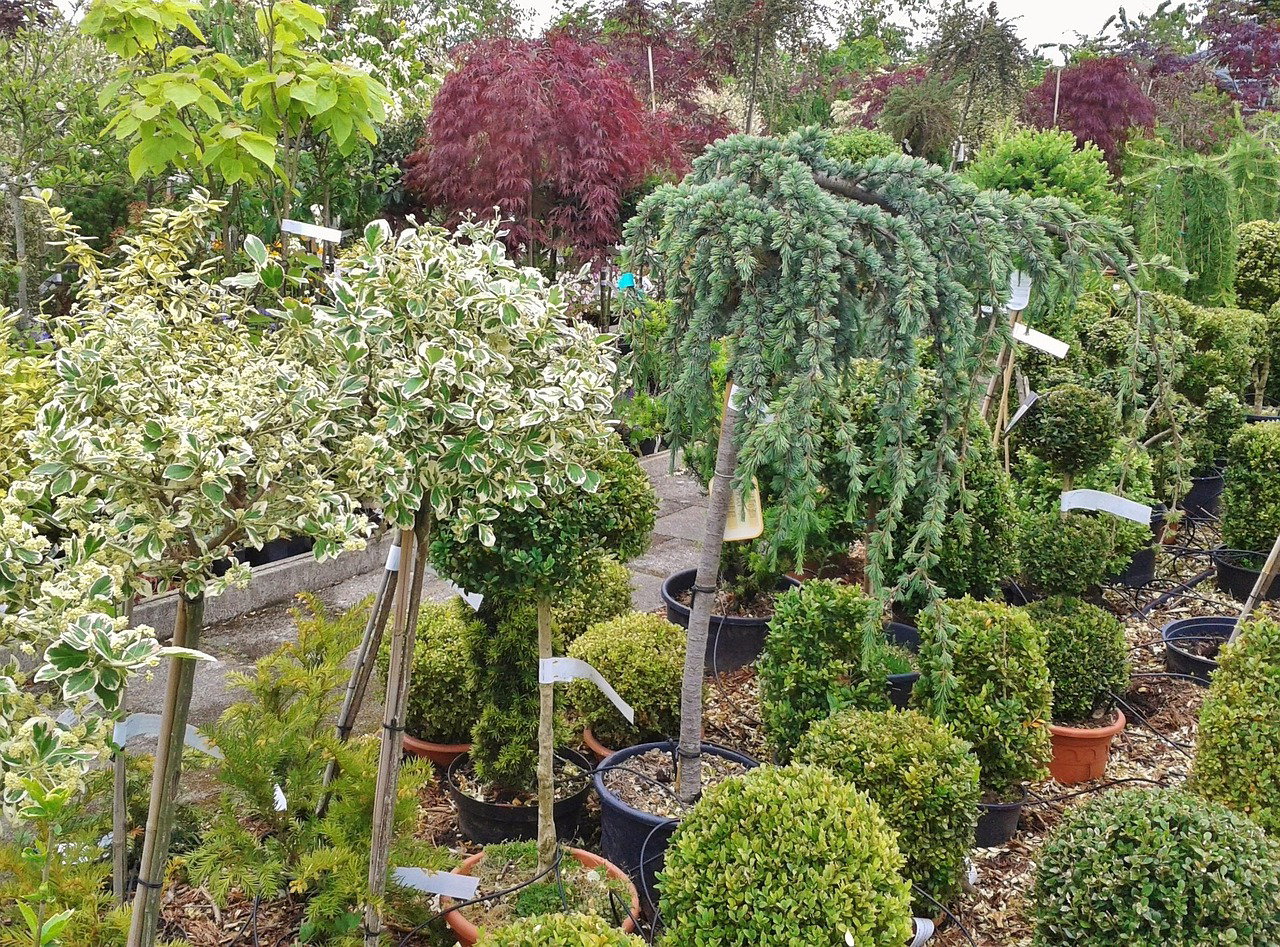
Starting a certified tree nursery in Kenya is one of the most promising agribusiness ventures today. With the increasing demand for fruit orchards, agroforestry, and environmental restoration, thousands of farmers, institutions, and NGOs are constantly buying tree seedlings.
However, to sell seedlings to large farms, government programs, NGOs, and supermarkets, a nursery must be registered and certified by the relevant authorities. Certification ensures the seedlings are true-to-type, disease-free, and produced under proper nursery standards.
This guide explains how to start and register a certified tree nursery in Kenya, including requirements, costs, and procedures.
Why Start a Certified Tree Nursery?
Certification gives your nursery several advantages:
1. Access to Bigger Markets
Certified nurseries can supply seedlings to:
- Government tree planting programs
- NGOs
- Schools and institutions
- Large commercial farms
2. Higher Seedling Prices
Certified seedlings usually sell for higher prices because buyers trust their quality.
Example prices in Kenya:
| Seedling Type | Average Price |
|---|---|
| Avocado (Hass grafted) | Ksh 150 – 300 |
| Mango (grafted) | Ksh 120 – 250 |
| Citrus seedlings | Ksh 100 – 200 |
| Passion fruit seedlings | Ksh 80 – 200 |
3. Customer Trust
Farmers prefer seedlings from registered nurseries to avoid fake varieties.
Authorities That Regulate Tree Nurseries in Kenya
Tree nurseries are mainly regulated by:
1. Kenya Plant Health Inspectorate Service (KEPHIS)
Responsible for certification of fruit tree seedlings.
2. Kenya Forestry Research Institute (KEFRI)
Provides training and support for tree nurseries.
3. County Governments
Some counties require nursery registration permits.
Types of Tree Nurseries You Can Start
Fruit Tree Nursery
Examples:
- Avocado
- Mango
- Citrus
- Macadamia
- Passion fruit
These are the most profitable.
Forestry Tree Nursery
Examples:
- Grevillea
- Cypress
- Eucalyptus
- Casuarina
Demand comes from timber farmers and reforestation programs.
Ornamental Tree Nursery
Examples:
- Palm trees
- Flowering shrubs
- Landscaping trees
Markets include real estate and landscaping companies.
Space Requirements for a Certified Nursery
A small commercial nursery may require:
| Seedlings | Space Needed |
|---|---|
| 1,000 seedlings | 100 m² |
| 5,000 seedlings | 300–400 m² |
| 10,000 seedlings | 0.5 acre |
A backyard nursery can still be certified if it meets standards.
Requirements for a Certified Nursery
To qualify for certification, the nursery must have:
1. Reliable Water Supply
Water source may include:
- Borehole
- Tap water
- Water tank
Daily watering is essential.
2. Shade Structure
Young seedlings require 50–70% shade.
Common structures:
- Shade nets
- Grass thatching
- Bamboo shade houses
3. Quality Soil Media
Typical soil mix:
- Topsoil
- River sand
- Well-decomposed manure
Ratio example:3 : 1 : 1
4. Seedling Containers
Most nurseries use polybags such as:
- 4×6 inches
- 6×9 inches
5. Mother Trees or Scion Sources
For grafted seedlings you must obtain scions from certified mother trees.
6. Nursery Records
Certified nurseries must keep records of:
- Seed sources
- Grafting dates
- Seedling numbers
- Sales records
Step-by-Step Process to Start a Certified Tree Nursery
Step 1: Acquire Basic Training
Before applying for certification, it is recommended to attend nursery management training.
Training is offered by:
- KEFRI
- Agricultural training centers
- County agriculture offices
Step 2: Select a Suitable Location
Choose land that has:
- Good drainage
- Easy access to water
- Protection from animals
Avoid flood-prone areas.
Step 3: Construct Nursery Infrastructure
Set up:
- Shade house
- Raised nursery beds
- Watering system
- Storage for tools
Step 4: Source Quality Seeds or Rootstocks
Seeds should come from:
- Certified seed suppliers
- Research institutions
- Healthy mother trees
This is critical for certification.
Step 5: Raise Rootstocks
Grow seedlings until they reach grafting stage.
Most fruit rootstocks are ready in 3–6 months.
Step 6: Graft Improved Varieties
Common grafted fruits:
- Avocado
- Mango
- Citrus
Grafting ensures true fruit varieties.
Step 7: Maintain Nursery Hygiene
Follow good nursery practices:
- Remove diseased plants
- Sterilize tools
- Avoid overcrowding
Step 8: Apply for Nursery Certification
You can apply through KEPHIS.
Inspection checks include:
- Seed sources
- Grafting quality
- Nursery hygiene
- Record keeping
Once approved, the nursery receives certification status.
Cost of Starting a Certified Tree Nursery
Example budget for 2,000 seedlings:
| Item | Cost (Ksh) |
|---|---|
| Polybags | 5,000 |
| Seeds / rootstocks | 4,000 |
| Manure and soil transport | 3,000 |
| Shade net structure | 8,000 |
| Water storage tank | 6,000 |
| Tools and equipment | 4,000 |
Estimated startup cost: Ksh 25,000 – 40,000
This can vary depending on nursery size.
Potential Income from a Certified Nursery
Example:2,000 grafted seedlings × Ksh 150
Revenue:Ksh 300,000
Production costs may be around:Ksh 80,000 – 100,000
Potential profit:Ksh 200,000 per cycle
Many nurseries run 2–3 production cycles per year.
Marketing Tree Seedlings
Successful nurseries sell through multiple channels.
Direct Sales to Farmers
Most farmers buy seedlings locally.
Agrovet Shops
Supply seedlings wholesale.
Social Media
Platforms such as:
- Facebook farming groups
- WhatsApp farmer groups
Government Tree Programs
Schools and institutions buy seedlings during tree planting seasons.
Common Mistakes New Nursery Owners Make
Avoid these mistakes:
- Using poor seed sources
- Poor grafting techniques
- Overcrowding seedlings
- Lack of proper shade
- Poor watering practices
These issues reduce seedling survival rates.
Tips for Running a Successful Nursery
Focus on High-Demand Crops
Examples:
- Avocado
- Mango
- Citrus
- Passion fruit
Maintain High Quality
Healthy seedlings build customer trust.
Time Production with Rainy Seasons
Farmers buy seedlings before planting seasons.
Peak demand:
- March – May
- October – December
Build a Strong Farmer Network
Word of mouth is powerful in agriculture.
Final Thoughts
Starting a certified tree nursery in Kenya is a practical agribusiness with strong long-term potential. With proper training, quality planting materials, and certification, a nursery can supply seedlings to farmers, NGOs, institutions, and government programs.
Even a small nursery can grow into a large-scale enterprise producing tens of thousands of seedlings annually, making it one of the most scalable agribusiness opportunities in Kenya.