Daily Production & Sales SOP for a Samosa Business (Kenya)
🌅 1. Early Morning Preparation (6:00 AM – 8:00 AM)
Tasks:
- Clean workspace and utensils
- Wash hands and wear clean apron
- Check stock:
- Flour / samosa patti
- Cooking oil
- Onions, spices
- Fillings (meat, potatoes, ndengu)
Prep Work:
- Chop onions, garlic, coriander
- Boil potatoes (if using)
- Measure ingredients for consistency
👉 Goal: Everything ready before cooking starts
🍳 2. Prepare Filling (8:00 AM – 9:00 AM)
Steps:
- Heat oil in sufuria
- Fry onions → add garlic & ginger
- Add spices (salt, curry, pepper, masala)
- Add filling:
- Minced meat OR
- Mashed potatoes OR
- Cooked ndengu
- Cook until dry (no excess water)
- Cool completely
👉 Key Rule: Dry filling = crispy samosas + longer shelf life
🔺 3. Folding & Assembly (9:00 AM – 11:00 AM)
Steps:
- Prepare sealing paste (flour + water)
- Fill samosa patti
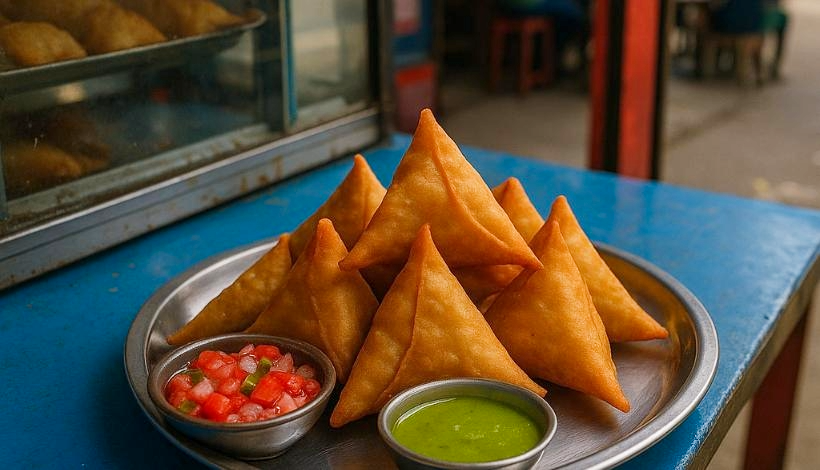
- Fold into triangle
- Seal tightly
Production Target:
- Beginner: 50–100 samosas/day
- Intermediate: 100–300 samosas/day
👉 Store raw samosas covered to prevent drying
🔥 4. Frying Process (11:00 AM – 1:00 PM)
Steps:
- Heat oil (medium heat)
- Fry in batches (10–20 pieces)
- Turn until golden brown
- Remove and drain oil
Quality Control:
- Not too dark (burnt)
- Not soggy (low heat issue)
👉 Keep first batch ready for early customers
🛒 5. Sales Time (1:00 PM – 7:00 PM)
Setup:
- Arrange in display tray or cabinet
- Keep warm (not airtight)
Pricing:
- Ndengu/Potato: KSh 10
- Minced meat: KSh 20
Sales Strategy:
- Smile and engage customers
- Offer combos:
- Samosa + smokie
- Samosa + boiled egg
- Samosa + tea
👉 Upselling increases profit per customer
📊 6. Stock & Cash Tracking (Throughout the Day)
Track:
- Number produced
- Number sold
- Remaining stock
- Cash collected
Simple Daily Record:
- Produced: 100
- Sold: 90
- Remaining: 10
- Cash: KSh X
👉 Helps you adjust production daily
🌙 7. Closing Routine (7:00 PM – 8:00 PM)
Tasks:
- Count cash and record profit
- Dispose of unsold (or discount late evening)
- Clean utensils and cooking area
- Store remaining ingredients properly
👉 Cleanliness = customer trust + compliance
🔁 8. Daily Production Planning Formula
Use this simple rule:
- If you sold out early → Increase production next day by 20–30%
- If you had leftovers → Reduce production by 10–20%
💡 Pro Tips for Efficiency
1. Batch Work Smart
- Cook filling once for 2–3 days
- Freeze raw samosas
2. Control Costs
- Oil is biggest expense → manage carefully
- Buy ingredients in bulk
3. Time Your Peak Sales
- Lunch hours (12–2 PM)
- Evening (5–7 PM)
4. Add Variety
- Triangle samosas
- Mini samosas (party packs)
- Spicy vs mild options
5. Build Loyal Customers
- Same location daily
- Consistent taste
📈 Simple Daily Profit Example
- 100 samosas produced
- Cost per piece: ~KSh 6
- Selling price avg: ~KSh 12
👉 Profit per piece ≈ KSh 6
👉 Daily profit ≈ KSh 600
✅ Conclusion
This SOP gives you a repeatable daily system:
- Prepare → Cook → Assemble → Fry → Sell → Track → Improve
Follow it consistently, and your samosa business can grow from:
👉 Street stall → Supply business → Full food kiosk