Dorper Sheep Fattening Business in Kenya: How to Buy, Rear and Sell Rams for December Profit
Introduction
Livestock farming has always been an important part of Kenya’s rural and peri-urban economy. While many farmers focus on cattle, dairy goats, or poultry, sheep farming presents an opportunity that can be started on a smaller scale.
One promising business model is buying young male Dorper sheep, feeding and managing them properly, then selling them during high-demand seasons such as December when meat consumption increases.
The idea is simple:
- Buy young male Dorper sheep at a reasonable price.
- Rear them for several months.
- Increase their body weight and meat quality.
- Sell when market prices are favourable.
A farmer who buys a ram at about KSh 6,000–8,000 and manages it well may sell it during the festive season at prices starting from around KSh 12,000 or more, depending on weight, location and market demand.
Why Dorper Sheep?
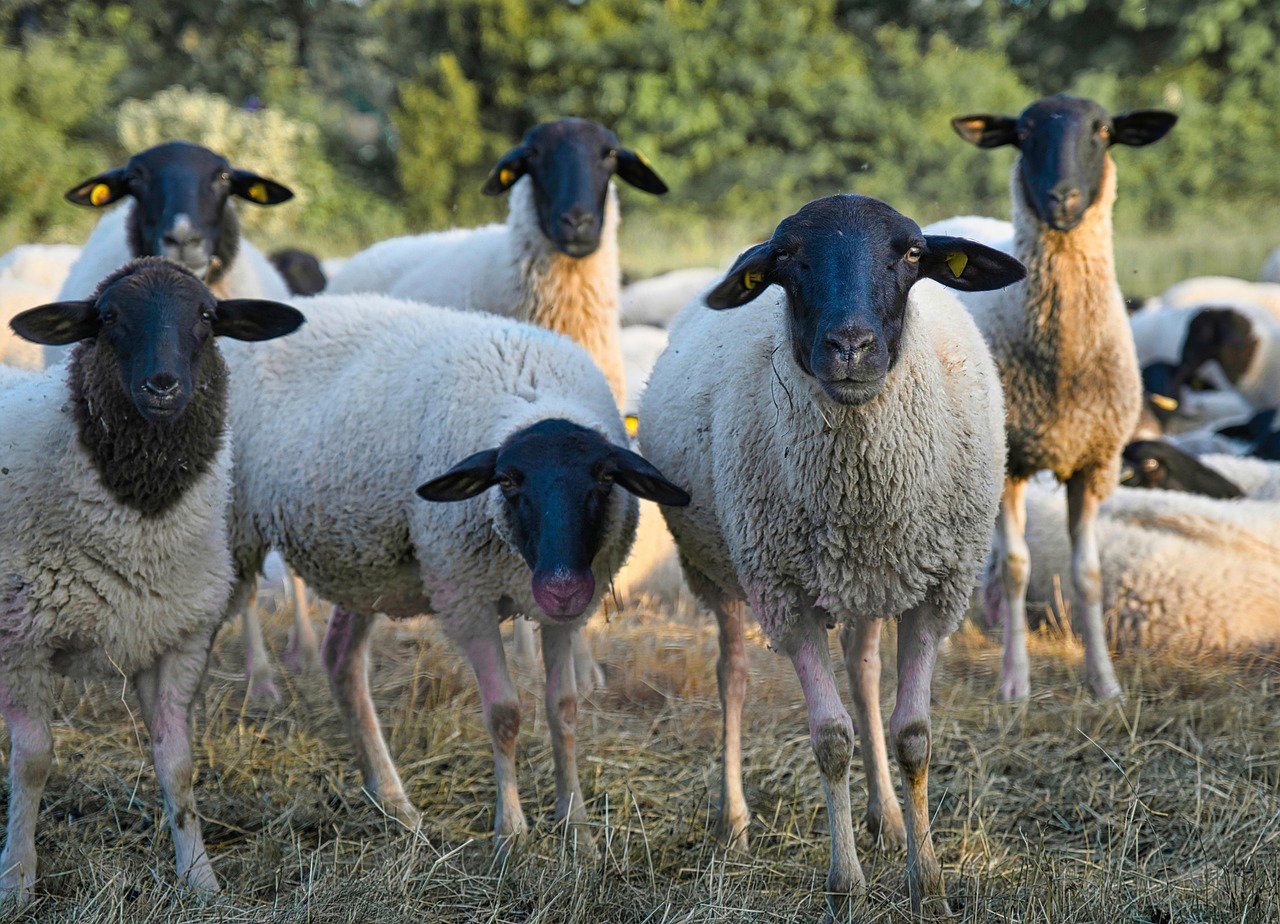
Dorper sheep are among the most popular meat sheep breeds because they have several characteristics that make them suitable for commercial farming:
1. Fast Growth
Dorper sheep are known for good growth rates when provided with proper nutrition.
A well-managed ram can add significant weight within a few months.
2. Good Meat Production
The breed produces:
- Good carcass weight
- Tender meat
- Good fat distribution
- High consumer acceptance
3. Adaptability
Dorpers perform well in many Kenyan environments because they can tolerate relatively harsh conditions better than some exotic breeds.
4. Low Maintenance Compared to Some Livestock
Compared with cattle, sheep require:
- Less land
- Less capital
- Less daily labour
This makes them suitable for small farmers and people starting livestock businesses.
Understanding the December Sheep Market Opportunity
December is a high-demand period because of:
- Christmas celebrations
- Family gatherings
- Weddings
- End-year events
- Increased meat consumption
Many households and traders look for mature animals during this period.
This creates a window where farmers who prepared early can sell at better prices.
The mistake many beginners make is buying sheep in December when prices are already high.
A smarter approach is:
Buy when prices are lower → feed and grow → sell when demand rises.
Starting Capital Required
A small starter project can begin with 5–10 sheep.
Example:
Buying 10 Male Dorper Sheep
Average buying price:
KSh 7,000 each10 × 7,000= KSh 70,000Additional costs:
| Item | Estimated Cost |
|---|---|
| Transport | KSh 5,000 |
| Feed supplements | KSh 15,000 |
| Deworming & vaccines | KSh 5,000 |
| Housing improvements | KSh 10,000 |
| Miscellaneous | KSh 5,000 |
Estimated starting capital:About KSh 100,000–120,000
Example Profit Calculation
Assume:
10 rams bought at: KSh 7,000 each
Total purchase: KSh 70,000
After feeding and management:
Selling price: KSh 13,000 each
10 × 13,000= KSh 130,000
Gross margin: KSh 130,000 – KSh 70,000= KSh 60,000
Subtract:
- Feed
- Medicine
- Transport
- Other costs
Possible net profit:
Approximately KSh 25,000–45,000
depending on management and market conditions.
When Should You Buy?
The timing determines your success.
Many farmers target buying between:
- January
- February
- March
- April
- Early rainy seasons
The aim is to give the animals enough time to grow before December.
A rushed fattening program often produces poor results.
Selecting the Right Sheep to Buy
Do not buy based only on price.
Look for:
Healthy Appearance
A good ram should have:
- Bright eyes
- Active movement
- Good appetite
- Clean nose
- Smooth coat
- Strong legs
Avoid animals showing:
- Weakness
- Excessive coughing
- Diarrhoea
- Poor body condition
Body Structure
For meat production choose sheep with:
- Broad chest
- Straight back
- Thick hindquarters
- Strong frame
The rear legs and back area are important because they contribute to valuable meat portions.
Housing Requirements
Sheep do not need expensive buildings.
A good sheep house should have:
Good Ventilation
Avoid damp, closed spaces.
Dry Floor
Wet conditions encourage disease.
Shade and Shelter
Protect from:
- Heavy rain
- Extreme sun
- Cold nights
A simple shed made from locally available materials can work.
Feeding for Weight Gain
Good feeding is the difference between profit and loss.
A sheep mainly needs:
1. Roughage
Examples:
- Grass
- Hay
- Crop residues
- Pasture
2. Protein Sources
Examples:
- Legume fodder
- Commercial feeds
- Protein supplements
3. Minerals
Provide:
- Mineral blocks
- Salt
4. Clean Water
A growing ram must have constant access to clean water.
Health Management
Healthy sheep gain weight faster.
Important practices:
Deworming
Internal parasites reduce growth.
Vaccination
Protect against common sheep diseases.
Regular Observation
Check daily for:
- Loss of appetite
- Isolation
- Abnormal movement
Early action saves money.
The Bigger Opportunity: Building a Dorper Farm
A farmer who succeeds with buying and fattening can expand into breeding.
Instead of buying males every year:
Keep:
- Good quality ewes
- A breeding ram
Then produce your own lambs.
This changes the business from: Trading sheep
into: Running a livestock enterprise.
Income streams can include:
- Selling fattened rams
- Selling breeding stock
- Selling young lambs
- Selling manure
Common Mistakes Beginners Make
Buying Poor Quality Animals
Cheap animals can become expensive if they grow slowly.
Underfeeding
Animals cannot gain weight without enough nutrition.
Waiting Until December to Buy
The best profits usually come from preparation.
Ignoring Disease Prevention
Treatment costs reduce profits.
Final Thoughts
Dorper sheep fattening is one of the livestock businesses that can be started gradually. A beginner does not need hundreds of animals.
Starting with even 5–10 rams, learning proper management, and reinvesting profits can eventually grow into a commercial sheep farming venture.
The key is not just buying sheep, it is buying the right animals, feeding correctly, managing health, and selling at the right time.