Fish Farming in Kenya: A Viable Business for Beginners?
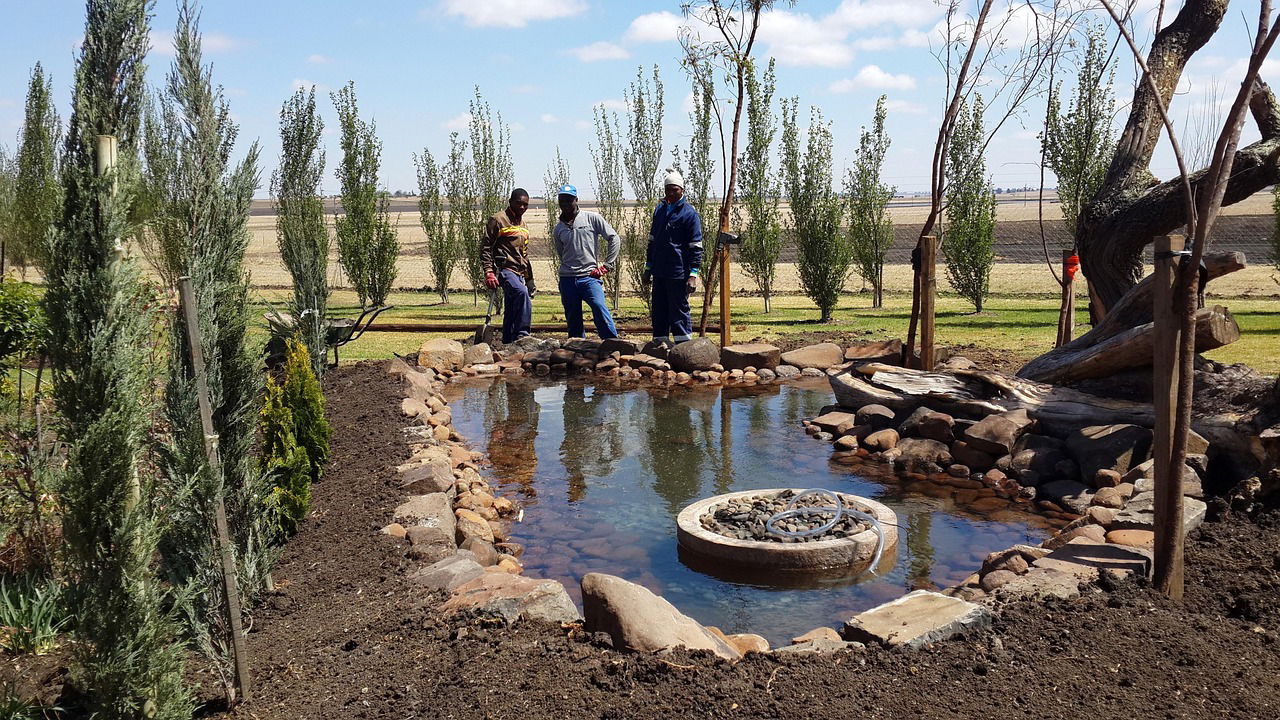
Fish farming, also called aquaculture, is the practice of raising fish in controlled environments like ponds, tanks, or cages. In Kenya, it’s increasingly becoming a profitable agricultural business thanks to rising demand for fish, government support programs, and growing urban markets for seafood.
Is Fish Farming a Good Business in Kenya?
Yes, fish farming can be a viable business venture in Kenya, even for beginners, if planned and managed carefully.
Kenya’s growing population and urban consumer base means demand for fish (especially tilapia and catfish) remains strong, offering good market opportunities for new farmers. Several success stories show that farmers, even those who started small, have doubled their incomes by incorporating fish farming into their agriculture. However, fish farming isn’t a “get-rich-quick” business. It requires patience (production cycles typically take 6–12 months), proper site preparation, consistent feeding, and good record-keeping. Lack of capital, poor water management, or inadequate planning are common reasons some farmers struggle.
1. What You Need to Start Fish Farming
A. Site & Water Source
- Reliable water source (borehole, spring, river, or rain harvesting).
- Soil with good water retention (clay content).
- Flat ground and gentle slopes are ideal for pond construction.
B. Land
You need land suitable for digging fish ponds or installing fish tanks. Even a backyard pond can work, but larger acreage gives room to expand.
C. Species You Can Farm
- Tilapia – Popular for its market demand and hardiness.
- Catfish – Tolerates low oxygen and grows quickly.
- Trout – Good market price but needs cool, oxygen-rich water.
D. Permits and Licenses
Register your fish farming business with local authorities and get relevant permits from Kenya’s fisheries department. Some counties also require a water use permit or environmental assessments.
2. Financial Requirements (Costs)
The amount of money you need depends on scale, but here’s a typical breakdown:
Small / Backyard Scale (Beginner)
- Pond Construction: KSh 30,000 – 75,000
- Fingerlings (1,000 tilapia): KSh 10,000 – 15,000
- Fish Feed: KSh 50,000 – 100,000 (for one cycle)
- Equipment (nets, water pump, testing kits): KSh 5,000 – 15,000
- Permits & Miscellaneous: KSh 5,000 – 10,000
➡️ Total: ~ KSh 100,000 – KSh 180,000 (first cycle)
Medium Commercial Scale
- Multiple ponds and improved infrastructure: KSh 200,000 – 500,000
- Feeding and labour for several cycles
➡️ Total: Often KSh 300,000+ for a more serious small commercial setup.
Note: These figures vary by location, scale, and whether you opt for earthen ponds or lined tanks.
3. Step-by-Step Process for Starting a Fish Farm
Here’s a practical plan for beginners:
Step 1: Research & Training
Before digging, learn the basics through local extension services, training centers (e.g., National Aquaculture Research Development and Training Centre), or experienced farmers.
Step 2: Choose a Site
Select land with a good water supply, stable soil, and easy access to markets for selling your fish.
Step 3: Construct Ponds
Build ponds according to your plan, either earthen or lined (if soil is sandy), and ensure good inlet and outlet drainage.
Step 4: Prepare Water
Fill ponds and condition water for healthy pH levels. Test water quality regularly.
Step 5: Stock Fingerlings
Order healthy fingerlings from reliable hatcheries. Stock them at recommended densities (e.g., 1–3 fish per m² depending on species and size target).
Step 6: Feed & Manage
- Feed your fish high-quality feed according to growth stage.
- Monitor water quality (oxygen, pH, temperature).
- Remove weeds, predators, and maintain ponds.
Step 7: Harvest
Fish typically reach market size in 6–10 months. Harvest when they hit the preferred size for your buyers.
Step 8: Marketing & Sales
Sell to local markets, retailers, hotels, restaurants, or directly to consumers. Joining farmers’ groups can improve market access.
4. Is Fish Farming Viable in Central Kenya?
Yes, fish farming is viable in Central Kenya when done with proper planning. Central Kenya has:
- Adequate rainfall and access to water sources in many areas.
- Training and support infrastructure (e.g., near Sagana and surrounding counties).
- Good road networks to markets in Nairobi, Nakuru, and Eldoret.
Some farmers in Kirinyaga and nearby regions have reported increased income by adding fish ponds to their farms. However, water availability during dry season and feed costs are challenges to consider. Ensuring reliable water sources or rainwater capture systems is essential.
5. Tips to Run It Effectively
✅ Start small and learn: Begin with one or two ponds to understand management before scaling up.
✅ Keep good records: Track costs, feeds, and water quality.
✅ Join farmer groups: These help with training and market linkages.
✅ Plan finances: Fish require several months to mature — having working capital for feeds and water is critical.
✅ Consider value-addition: Smoke or process fish for higher prices.
Conclusion
Fish farming in Kenya is a viable business opportunity for beginners with the right planning, enough startup capital, and effective farm management. It offers:
✔ Growing local demand
✔ Multiple income streams (fresh fish, value-added products)
✔ Scalable operations. With careful planning and support, even a learner can move from a small backyard pond to a profitable commercial operation.