From Custom Software to SaaS: Turning Projects into Products
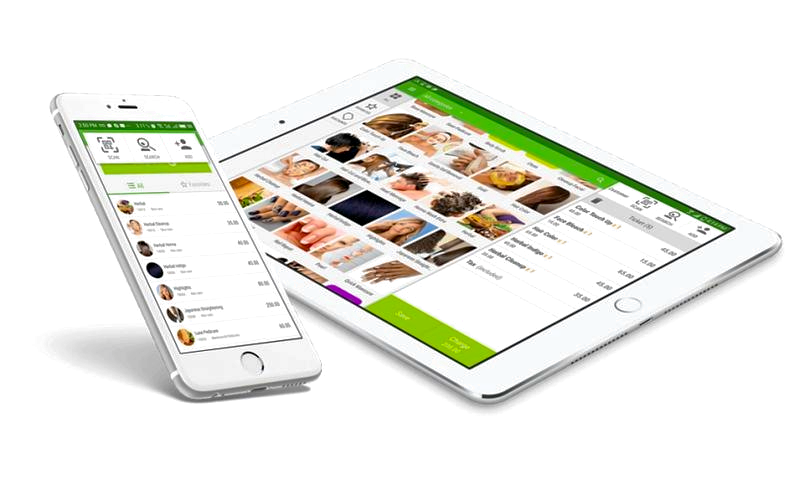
Many successful SaaS businesses don’t start as “big ideas.”
They start as one client project.
A shop asks for a POS.
A clinic needs patient records.
A landlord wants rent tracking.
You build it… get paid… and move on.
But here’s the missed opportunity:
If one client needs it, many others probably do too.
This guide shows how to turn your custom projects into scalable SaaS products in Kenya.
1. Spot the Product Opportunity in Your Client Work
Not every project is worth turning into SaaS.
Look for these signals
- The problem is common across many businesses
- You’ve built similar systems more than once
- Clients keep requesting the same features
- The solution doesn’t require heavy customization
Good examples
- POS systems for small shops
- Salon booking systems
- School fee management systems
- Inventory tracking tools
💡 If you’ve built it twice, it’s probably a product.
2. Identify the “Common Core”
Custom software is messy. SaaS must be clean and standardized.
Break your project into:
- Core features (used by everyone)
- Custom features (unique to one client)
Example (POS system)
Core:
- Sales recording
- Stock tracking
- Daily reports
Custom:
- Special pricing rules
- Unique invoice formats
💡 Your SaaS = only the core features
3. Simplify Before You Scale
Most developers try to turn their full system into SaaS—and fail.
Instead:
- Strip unnecessary features
- Focus on one main problem
- Make it easy to use
💡 Simple sells. Complex confuses.
4. Convert to a Multi-Tenant System
Custom software = one system per client
SaaS = one system for many clients
What you need
- User accounts per business
- Data separation (each client sees only their data)
- Admin control panel
Basic structure
- Tenant (business)
- Users (staff)
- Subscription plan
💡 This is the technical shift that makes scaling possible.
5. Add Subscription Billing (Recurring Revenue Engine)
This is what turns a project into a business.
In Kenya, the winning combo:
- M-Pesa integration
- Monthly payments
- Automatic reminders
Example pricing
- Basic: Ksh 500/month
- Pro: Ksh 1,500/month
- Business: Ksh 3,000/month
💡 One-time payment = income once
Subscription = income every month
6. Standardize Onboarding
You can’t scale if every client needs custom setup.
Create:
- Setup wizard
- Default templates
- Demo data
- Simple training guide
💡 A client should be able to start using your system in minutes—not days.
7. Turn Features into Configurations (Not Custom Code)
Instead of rewriting code for each client:
Do this
- Add settings
- Use toggles (on/off features)
- Create flexible templates
Example
Instead of:
“Build a new invoice layout”
Do:
“Allow users to choose invoice format”
💡 Configuration = scalability
8. Build for Support, Not Just Functionality
Kenyan SMEs need guidance.
Add:
- WhatsApp support
- Help sections inside the app
- Error messages that make sense
💡 A slightly imperfect system with great support beats a perfect system with none.
9. Launch With Your Existing Clients
Your first users are already in your network.
Strategy
- Convert past clients into subscribers
- Offer discounted early pricing
- Gather feedback aggressively
💡 Your old clients become your first SaaS customers.
10. Gradually Detach From Custom Work
Don’t quit client work immediately.
Transition like this
- Phase 1: 80% freelance / 20% SaaS
- Phase 2: 50% freelance / 50% SaaS
- Phase 3: 20% freelance / 80% SaaS
💡 SaaS takes time—but scales better.
Real-Life Pattern in Kenya
Many local tech entrepreneurs follow this path:
- Build systems for clients
- Notice repeated needs
- Standardize the solution
- Start charging monthly
- Grow into a SaaS business
Some POS and ERP providers in Kenya today started exactly this way.
Common Mistakes to Avoid
- Trying to SaaS-ify a highly customized system
- Adding too many features too early
- Ignoring billing and subscriptions
- Not validating demand
- Failing to simplify UX
Key Insight: Product Thinking vs Project Thinking
Project mindset
- Build → Deliver → Move on
Product mindset
- Build → Sell → Improve → Repeat
💡 SaaS is not a project—it’s a living product.
Final Thoughts
If you’re already doing freelance or custom development in Kenya, you’re sitting on untapped potential.
You don’t need a new idea.
You need to:
- Recognize patterns
- Simplify your solution
- Package it
- Sell it repeatedly
That’s how small freelance gigs turn into scalable tech companies.