High-Profit Vegetable Farming on a 50 × 100 ft Plot in Kenya
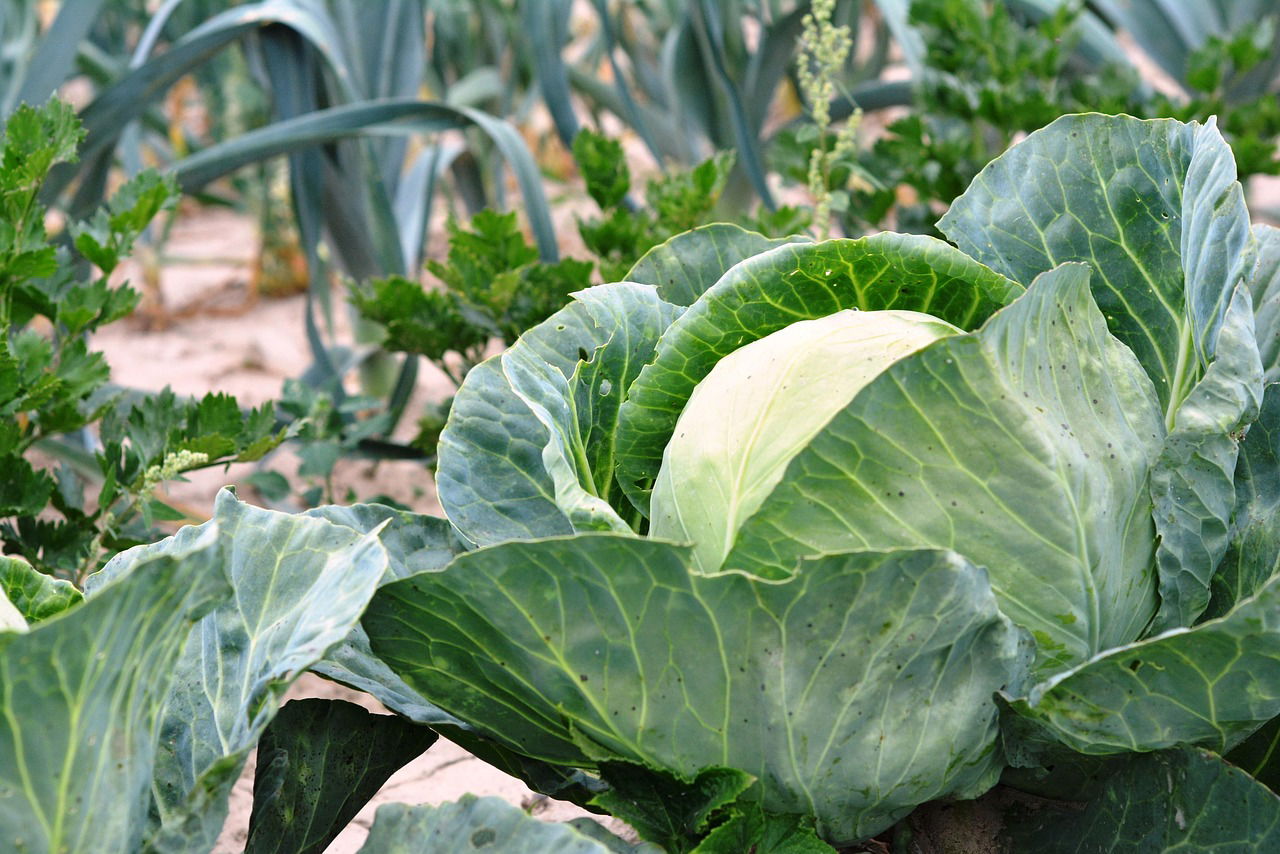
A practical micro-farming model for small land owners
Small pieces of land are often underestimated in agriculture. However, with the right crop selection and proper planning, even a 50 × 100 feet plot (about 5,000 sq ft) can become a profitable vegetable farming venture. This guide outlines a high-turnover vegetable farming model suitable for small farmers in Kenya who want to maximize profit from limited land.
1. Understanding the Size of the Plot
A 50 × 100 ft plot equals:
- 5,000 square feet
- Approximately 0.115 acre
With proper spacing and crop planning, this size can accommodate several high-value vegetables simultaneously, ensuring continuous harvesting and income.
2. Land Preparation
Proper land preparation determines the success of the entire farm.
Step 1: Clearing the Land
Remove:
- weeds
- bushes
- stones
- old crop residues
This ensures crops grow without competition for nutrients.
Step 2: First Digging or Ploughing
Dig the land 1–1.5 feet deep using:
- a jembe (hoe)
- hand tractor
- ox plough
Deep digging helps:
- loosen the soil
- improve root penetration
- improve water absorption.
Step 3: Adding Organic Manure
Vegetables perform best in soils rich in organic matter. Recommended manure:
- well decomposed cow manure
- goat manure
- compost manure
Application rate:
- 2–3 tons per acre
- For 5,000 sq ft → about 6–8 wheelbarrows of manure
Spread evenly then mix with soil.
Step 4: Bed Formation
Create raised beds. Recommended bed size:
- 1 meter width
- 10–20 meters length
- 30–40 cm pathways between beds
Benefits of raised beds:
- better drainage
- easier weeding
- easier harvesting
- improved crop management.
Your plot can accommodate about 15–18 beds.
3. Best High-Turnover Vegetables for Small Plots
The goal is fast-growing vegetables with constant demand. Recommended crops:
1. Spinach
- Ready in 4–5 weeks
- Can be harvested multiple times
- High demand in estates and markets
2. Dhania (Coriander)
- Ready in 3–4 weeks
- Very high turnover
- Small space required
3. Sukuma Wiki (Kale)
- Ready in 5–6 weeks
- Can produce for 3–6 months
4. Managu (African Nightshade)
- Traditional vegetable
- Increasing demand in urban areas
- High price in supermarkets.
5. Terere (Amaranth)
- Extremely fast growing
- Harvest within 3 weeks
4. Recommended Crop Layout for a 50 × 100 Plot
Instead of planting only one crop, diversify the beds. Example layout:
| Crop | Number of Beds |
|---|---|
| Spinach | 5 beds |
| Sukuma Wiki | 4 beds |
| Dhania | 3 beds |
| Managu | 3 beds |
| Terere | 2 beds |
This ensures:
- continuous harvest
- reduced risk
- steady income.
5. Planting Process
Spinach
Spacing:30 cm × 30 cm Planting method:
- direct seeding
- thin plants after germination.
Sukuma Wiki
Spacing:45 cm × 45 cm Usually planted using seedlings from a nursery.
Dhania
Spacing:20 cm between rows Broadcast or plant in rows.
Managu and Terere
Spacing:20–30 cm These vegetables grow quickly and densely.
6. Irrigation
Vegetables require frequent watering. Best methods:
- watering cans
- drip irrigation
- hose pipes
Recommended schedule:
- once daily in dry weather
- every two days during cool seasons
Reliable water supply is critical for success.
7. Pest and Disease Management
Common vegetable pests include:
- aphids
- caterpillars
- whiteflies
- leaf miners
Control methods:
- neem-based organic sprays
- recommended agricultural pesticides
- regular crop inspection.
8. Expected Production and Income
Production depends on crop management and market access. Example monthly harvest estimates:
| Crop | Estimated Monthly Revenue |
|---|---|
| Spinach | KSh 15,000 |
| Sukuma Wiki | KSh 20,000 |
| Dhania | KSh 12,000 |
| Managu | KSh 10,000 |
| Terere | KSh 8,000 |
Estimated monthly income: KSh 50,000 – 65,000
9. Estimated Startup Costs
Typical startup budget:
| Item | Estimated Cost |
|---|---|
| Land preparation | KSh 5,000 |
| Seeds/seedlings | KSh 3,000 |
| Manure | KSh 4,000 |
| Basic irrigation tools | KSh 6,000 |
| Pesticides | KSh 2,000 |
| Labour | KSh 5,000 |
Total estimated startup cost: KSh 25,000 – 30,000
10. Potential Markets
Vegetables from small farms can be sold in:
- local markets
- roadside vegetable stalls
- residential estates
- hotels and restaurants
- supermarkets
- open-air markets
- grocery vendors (mama mboga)
Selling directly to consumers usually generates higher profits.
11. Key Success Factors
For a small vegetable farm to succeed:
- Reliable water supply
- Consistent planting schedule
- Good pest control
- Access to a local market
- Good soil fertility management
Small plots succeed when farmers focus on high turnover crops rather than large-volume crops.
Conclusion
A 50 × 100 ft plot can become a profitable vegetable farming venture if managed well. By growing a mix of fast-growing vegetables such as spinach, sukuma wiki, dhania, managu, and terere, farmers can create a steady flow of produce and income throughout the year. With proper planning, such a micro-farm can generate KSh 50,000 or more per month, making it a practical opportunity for small-scale farmers, urban gardeners, and anyone interested in agribusiness.