How One Sack of Bananas Can Make KSh 8,000 Profit (Business Breakdown)
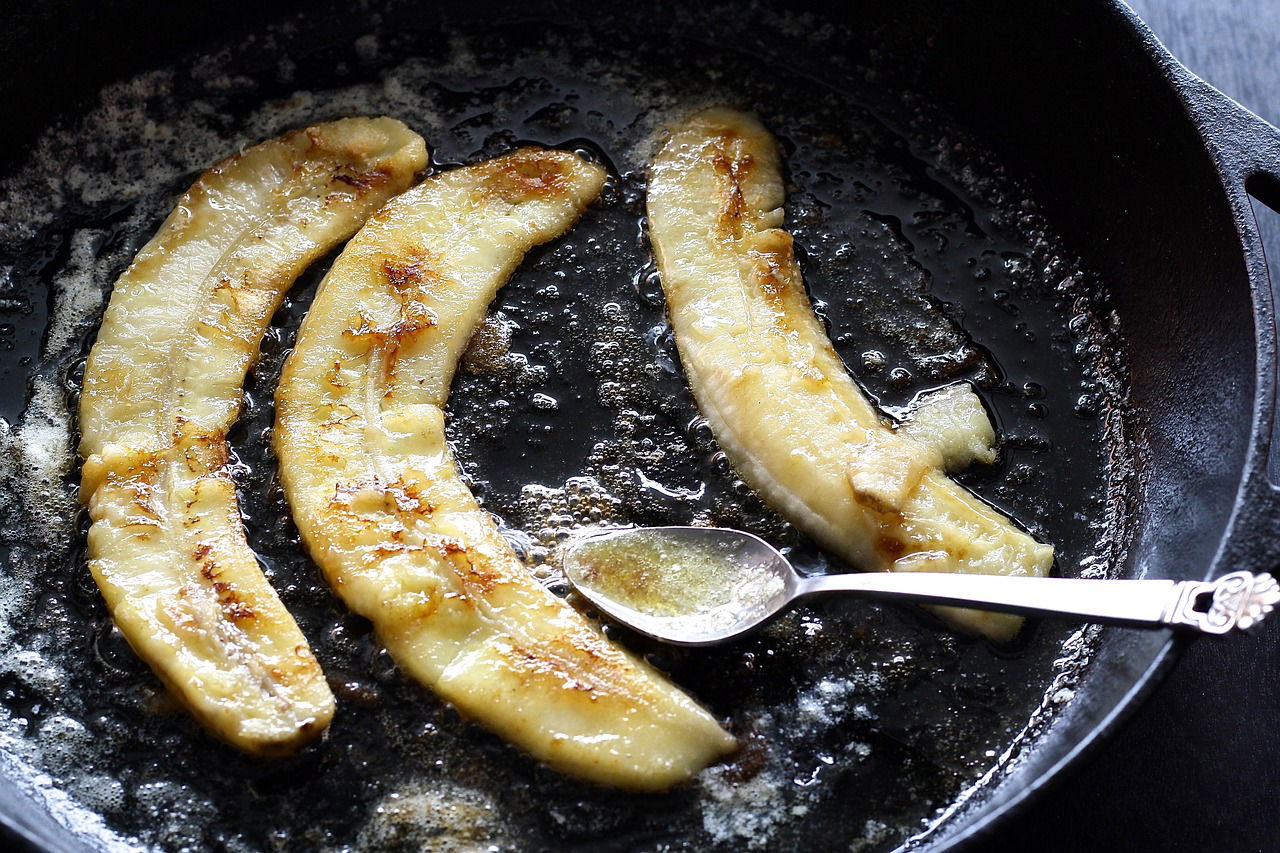
Bananas are one of the most profitable fruits for value addition in Kenya because they are cheap, widely available, and easy to process into snacks and other products. A single sack can generate several value-added products that multiply the original value.
Below is a simple breakdown showing how one sack of bananas can generate about KSh 8,000 profit when processed into banana chips or similar snacks.
Step 1: Cost of One Sack of Bananas
In many banana-producing areas such as Murang’a, Meru, Kisii, and Embu, a sack of ripe bananas can cost:
- 1 sack (about 90–100 kg) → KSh 1,500 – 2,000
For this example we assume:
- Cost of sack: KSh 1,800
Step 2: Processing Yield
When peeled, sliced, and fried or dried:
- 100 kg bananas → about 45–50 kg banana chips
If packed in 50 g snack packs:
- 50 kg chips → 1,000 snack packs
Step 3: Production Costs
| Item | Estimated Cost |
|---|---|
| Bananas (1 sack) | KSh 1,800 |
| Cooking oil | KSh 2,000 |
| Sugar/flavouring | KSh 400 |
| Packaging bags | KSh 1,500 |
| Fuel or electricity | KSh 300 |
| Miscellaneous | KSh 300 |
Total production cost:KSh 6,300
Step 4: Sales Revenue
If each 50 g packet sells at KSh 15–20 wholesale to shops:
- 1,000 packets × KSh 15 = KSh 15,000 revenue
Step 5: Profit Calculation
| Item | Amount |
|---|---|
| Total revenue | KSh 15,000 |
| Total cost | KSh 6,300 |
✅ Net profit:
KSh 8,700This means one sack of bananas can realistically generate about KSh 8,000 profit depending on market prices.
Step 6: Possible Daily Production
A small home operation can process:
- 1 sack per day
Potential daily profit:
- KSh 6,000 – 8,000
Monthly (25 working days):
- KSh 150,000 – 200,000 potential gross profit
Step 7: Simple Equipment Needed
You can start from home with basic tools:
- Large frying pan or deep fryer
- Banana slicer or knife
- Cooking stove
- Drying trays or racks
- Weighing scale
- Sealing machine for packaging
Estimated startup equipment budget:
- KSh 10,000 – 25,000
Step 8: Where to Sell Banana Products
Best markets include:
- Schools
- Bus parks and kiosks
- Supermarkets
- Gym snack shops
- Online platforms and Facebook groups
If scaling to supermarkets, certification may be required from the Kenya Bureau of Standards and sometimes food safety licensing from the Ministry of Health.
✅ Key insight:
Banana value addition works because processing multiplies the price of bananas by 5–10 times compared to selling them raw.