How to Build a Professional Shopify Website for a Business in Kenya
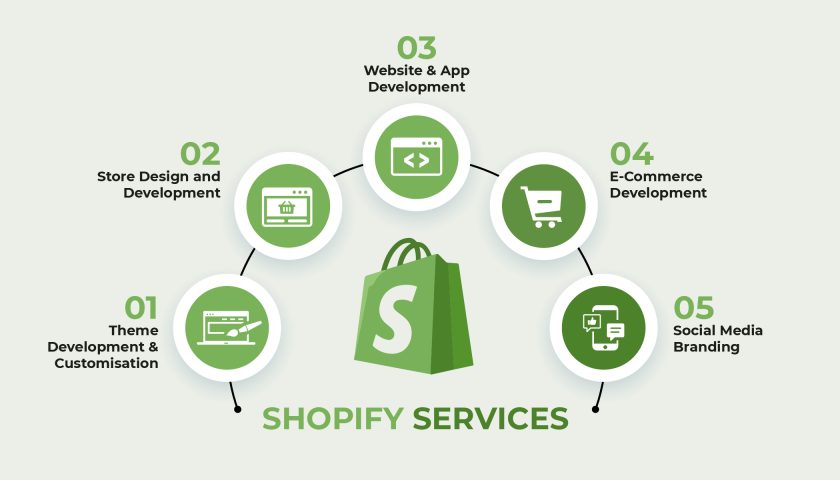
The rise of e-commerce in Kenya has created massive opportunities for entrepreneurs, SMEs, wholesalers, fashion brands, electronics dealers, beauty shops, agro-vets, and even small home businesses. Today, customers expect businesses to have a professional online store where they can browse products, make payments, and communicate easily.
One of the best platforms for building an online store is Shopify. Shopify allows business owners to create modern e-commerce websites without needing advanced coding skills.
This guide explains how to build a professional Shopify website in Kenya, what you need, what features to include, and the secrets behind successful Shopify stores.
What is Shopify?
Shopify is a cloud-based e-commerce platform that helps businesses create online stores, manage products, process orders, and accept online payments.
With Shopify, you can:
- Sell products online
- Accept mobile money and card payments
- Manage inventory
- Track customer orders
- Run promotions and discounts
- Integrate delivery services
- Market your products online
It is widely used by businesses around the world because it is easy to use, secure, and scalable.
Why Shopify is a Good Choice in Kenya
Kenyan businesses are increasingly adopting online selling due to:
- Growing smartphone usage
- Increased internet access
- Expansion of mobile money
- Social media marketing opportunities
- Rising demand for online shopping
A Shopify store works especially well for:
- Fashion stores
- Shoe businesses
- Beauty and cosmetic shops
- Electronics shops
- Furniture dealers
- Agro-product sellers
- Grocery delivery businesses
- Custom merchandise brands
- Digital product sellers
What You Need Before Building a Shopify Website
Before starting, you should prepare the following:
1. A Business Name
Choose a memorable business name that reflects your brand.
Examples:
- Nairobi Fashion Hub
- SmartTech Kenya
- FreshFarm Organics
2. A Domain Name
A domain is your website address.
Example:
You can buy domains from:
A .co.ke domain gives your store a local Kenyan identity.
3. Product Photos
Good product images are extremely important.
Your products should have:
- Clear lighting
- Multiple viewing angles
- White or clean background
- Consistent image style
- High resolution
Poor product photos reduce customer trust.
4. Product Information
Prepare:
- Product names
- Prices
- Descriptions
- Variants (size, color, weight)
- Stock quantity
- Shipping information
5. Payment Methods
For Kenya, your store should support:
- M-Pesa
- Airtel Money
- Debit/Credit Cards
- Bank Transfer
Many Kenyan stores integrate:
- M-Pesa STK Push
- Flutterwave
- Pesapal
- DPO Pay
- Paystack
Step-by-Step Guide to Building a Shopify Website
Step 1: Create a Shopify Account
Visit:Shopify Official Website
Create your account and choose a subscription plan.
Shopify usually offers a free trial for beginners.
Step 2: Choose a Shopify Theme
Themes determine how your website looks.
A good Shopify theme should be:
- Mobile friendly
- Fast loading
- Clean and modern
- Easy to navigate
- SEO optimized
Popular Shopify themes include:
- Dawn
- Refresh
- Sense
- Craft
What Makes a Good Shopify Website?
A successful Shopify website is more than just uploading products.
Here are the essential features.
1. Professional Homepage
Your homepage creates the first impression.
It should include:
Hero Banner
A large attractive image showing:
- Featured products
- Promotions
- Brand message
Example:
“Affordable Fashion Delivered Across Kenya”
Featured Products
Display:
- Best sellers
- New arrivals
- Trending items
Categories Section
Examples:
- Men’s Fashion
- Electronics
- Beauty Products
- Home Appliances
This helps visitors navigate easily.
Customer Trust Elements
Include:
- Secure payment badges
- Delivery information
- Customer reviews
- WhatsApp support button
- Return policy
Trust is critical in Kenyan e-commerce.
2. Product Pages
This is where customers decide whether to buy.
A good product page should include:
High Quality Photos
Include:
- Zoom feature
- Multiple images
- Lifestyle photos
Detailed Descriptions
Explain:
- Features
- Benefits
- Materials
- Size
- Usage instructions
Do not use one-line descriptions.
Pricing
Clearly show:
- Current price
- Discounts
- Offers
Call-To-Action Buttons
Examples:
- Buy Now
- Add to Cart
- Order on WhatsApp
Reviews and Ratings
Customer reviews increase trust and conversions.
3. Mobile Optimization
Most Kenyan customers shop using smartphones.
Your website must:
- Load quickly on mobile
- Have readable text
- Use mobile-friendly buttons
- Support easy checkout
A poor mobile experience kills sales.
4. Fast Website Speed
Website speed affects:
- Google rankings
- User experience
- Sales conversion
To improve speed:
- Compress images
- Avoid too many apps
- Use lightweight themes
5. Search Engine Optimization (SEO)
SEO helps customers find your store on Google.
A good Shopify store should include:
Proper Product Titles
Bad:
“Nice Shoe”
Good:
“Men’s Official Leather Shoes in Kenya”
Meta Descriptions
Each page should have:
- Keywords
- Clear summaries
- Location targeting
Example:
“Affordable women’s handbags in Nairobi with countrywide delivery.”
Blog Content
Blogging helps attract traffic.
Examples of blog topics:
- Fashion trends in Kenya
- Best phone accessories
- Home décor ideas
- Beauty tips
6. M-Pesa Integration
For Kenyan customers, M-Pesa is essential.
A good Shopify website should support:
- STK Push
- Instant confirmation
- Automated payment updates
Without M-Pesa, many customers abandon purchases.
7. WhatsApp Integration
Many Kenyan buyers prefer chatting before ordering.
Add:
- WhatsApp button
- Quick support
- Order inquiry system
This increases trust and conversions.
8. Delivery and Shipping Setup
Clearly explain:
- Delivery charges
- Delivery timelines
- Coverage areas
- Pickup locations
You can integrate:
- Fargo Courier
- G4S
- Wells Fargo
- Sendy
9. Social Media Integration
Your Shopify website should connect with:
- TikTok
- YouTube
Social media drives traffic to your store.
10. Analytics and Tracking
Install tools like:
- Google Analytics
- Facebook Pixel
- TikTok Pixel
These help track:
- Visitors
- Sales
- Customer behavior
- Marketing performance
Important Pages Every Shopify Website Needs
About Us Page
Tell customers:
- Your story
- Your mission
- What makes your business unique
Contact Page
Include:
- Phone number
- Physical location if available
Privacy Policy
Important for customer trust and legal compliance.
Return & Refund Policy
Customers want to know:
- Return conditions
- Refund timelines
- Exchange options
FAQ Page
Answer common questions such as:
- Delivery time
- Payment options
- Warranty
- Product authenticity
Common Mistakes Kenyan Shopify Stores Make
Poor Product Photos
Low-quality images reduce sales.
Overcrowded Homepage
Too many banners and popups confuse customers.
Slow Website
Heavy images and too many plugins hurt performance.
Lack of Trust Signals
Customers fear scams online.
Add:
- Reviews
- Business contacts
- Social proof
- Delivery info
Complicated Checkout
Keep checkout simple and mobile friendly.
Approximate Cost of Building a Shopify Website in Kenya
| Item | Estimated Cost |
|---|---|
| Shopify Subscription | Ksh 3,000 – 15,000/month |
| Domain Name | Ksh 1,000 – 2,500/year |
| Professional Logo | Ksh 2,000 – 15,000 |
| Product Photography | Ksh 5,000 – 50,000 |
| Shopify Theme | Free – Ksh 30,000 |
| Website Design Services | Ksh 15,000 – 150,000 |
A beginner can start with under Ksh 20,000 using free themes and DIY setup.
Skills Needed to Build Shopify Websites
Learning Shopify development can become a business opportunity itself.
Useful skills include:
- Shopify setup
- Graphic design
- Product photography
- SEO
- Digital marketing
- Copywriting
- M-Pesa integration
- Facebook ads
Many Kenyan freelancers now earn by building Shopify stores for SMEs.
Final Thoughts
Shopify has made it easier than ever for Kenyan businesses to enter the e-commerce market. Whether you are selling clothes, electronics, cosmetics, groceries, or handmade products, a well-designed Shopify website can help you reach customers across Kenya and beyond.
The secret is not simply creating a website, but building:
- Trust
- Good user experience
- Fast mobile performance
- Easy payments
- Strong branding
- Clear product presentation
Businesses that combine Shopify with good digital marketing and excellent customer service have enormous potential in Kenya’s growing online economy.