How to Build a Self-Harvesting Black Soldier Fly (BSF) Unit for Poultry Feed
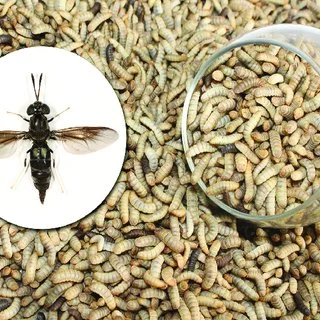
A self-harvesting Black Soldier Fly (BSF) unit is a simple system that allows mature larvae to crawl out of the feeding container and drop into a collection bucket automatically. This makes harvesting easy and hygienic.
For poultry farmers, this system is very practical because it:
- Reduces labour
- Produces high-protein chicken feed
- Converts kitchen and farm waste into valuable feed
- Can operate continuously
With basic materials available in rural Kenya, you can build one for under KSh 2,000–3,000.
How a Self-Harvesting BSF Unit Works
8When BSF larvae are fully grown (prepupal stage), they naturally crawl away from the food to find a dry place to pupate.
A self-harvesting unit uses sloped ramps so the larvae:
- Crawl up the ramp
- Enter a small outlet pipe
- Drop into a collection container
This means the larvae harvest themselves automatically.
Materials Needed
Most materials are cheap and easy to find.
You will need:
- Plastic drum (60–100 litres) or large bucket
- Two small PVC pipes (2–3 inches diameter)
- Small plastic bucket (collection container)
- Wooden or plastic ramps
- Drill or knife
- Wire mesh or net
- Bricks or wooden stand
Optional but useful:
- Roof or shade cover
- Drainage tap
Step-by-Step SOP for Building a Self-Harvesting BSF Unit
Step 1: Prepare the Main Container
Use a plastic drum or large bucket.
Ideal size:
- 60–100 litres capacity
Cut the top open if necessary.
Drill small drainage holes at the bottom to prevent water accumulation.
Too much moisture can slow larvae growth.
Step 2: Create the Larvae Exit Holes
Drill two holes on opposite sides near the upper edge of the container.
Hole size:
- About 5–7 cm diameter
These holes will allow mature larvae to exit.
Step 3: Install the Ramps
7Inside the container, install two slanted ramps leading toward the exit holes.
The ramps can be made from:
- Wood pieces
- Plastic sheets
- Metal strips
Important tips:
- Slope angle about 30–40 degrees
- Surface should be slightly rough so larvae can climb
The ramps guide the larvae to the exit holes.
Step 4: Install Exit Pipes
Insert short PVC pipes into the exit holes.
Angle them slightly downward.
These pipes act as larvae channels directing them into the collection container.
Step 5: Place the Collection Bucket
Place a small bucket or container under the pipe outlet.
When larvae crawl out, they fall directly into this bucket.
This bucket becomes your automatic harvesting point.
Step 6: Add Waste Feed
Place organic waste inside the bin such as:
- Fruit peels
- Vegetable waste
- Leftover food
- Chicken manure
- Market waste
Fill only about half the container to allow airflow.
Step 7: Attract Black Soldier Flies
Leave the lid slightly open or cover with mesh.
This allows adult flies to:
- Enter
- Lay eggs near the waste
Within a few days, larvae will hatch and begin feeding.
Operating the BSF Unit
Once the system is active:
- Add fresh organic waste daily
- Maintain moisture (not too wet)
- Keep the unit under shade
After 10–14 days, mature larvae will start self-harvesting.
They will crawl up the ramps and fall into the collection bucket.
Feeding BSF Larvae to Chickens
BSF larvae can be fed:
- Fresh
- Dried
- Mixed with chicken feed
Recommended feeding rate:
- 10–20 grams per chicken per day
They are excellent protein supplements for layers and broilers.
Production Potential
A well-managed self-harvesting BSF unit can produce:
- 1–3 kg larvae per day
This can supplement feed for:
- 100–200 chickens
Larger farms simply build multiple BSF bins.
Tips for Higher BSF Production
To maximize larvae output:
- Keep the bin in warm shade
- Add waste regularly
- Avoid flooding the waste
- Add small amounts of chicken manure to boost growth
- Stir waste occasionally
Common Problems and Solutions
Bad smell
Cause: Too much wet waste
Solution: Add dry materials like sawdust or leaves
Few larvae produced
Cause: Flies not laying eggs
Solution: Place the bin near animal manure or market waste
Ant invasion
Cause: Sweet food waste
Solution: Place container legs in water trays
Cost Estimate (Kenya)
Typical DIY unit cost:
| Item | Cost (KSh) |
|---|---|
| Plastic drum | 800 – 1200 |
| PVC pipes | 200 – 300 |
| Collection bucket | 150 |
| Miscellaneous | 200 |
Total estimated cost:
KSh 1,300 – 1,800
Final Thoughts
A self-harvesting BSF unit is one of the most practical technologies for reducing poultry feed costs. It converts waste into high-protein feed while requiring very little labour.
Many farmers combine BSF larvae, Azolla, termites, and homemade feed to cut poultry feed expenses by 30–50%.For poultry farmers looking to increase profits, BSF production can be a powerful low-cost solution.