How to do Vertical Gardening Using PVC Pipes in Kenya
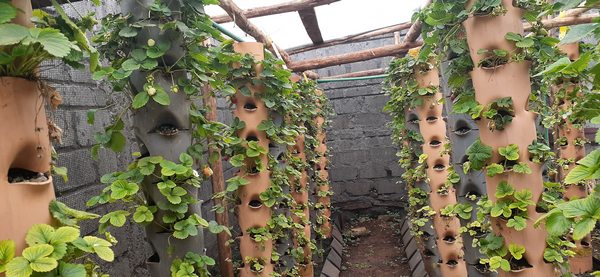
A Complete Guide for Small Spaces, Urban Farmers and Backyard Growers
Vertical gardening using PVC pipes is becoming popular in Kenya, especially in urban homes, small plots, schools, and backyard farms. This method allows farmers to grow vegetables in a very small space while producing high yields.With a properly designed PVC vertical garden, you can grow 20–40 plants in the space normally used by only 4–5 plants.This guide explains everything you need to know about building and managing PVC vertical gardens in Kenya.
Why PVC Vertical Gardens Are Popular in Kenya
Vertical gardens are ideal because they:
- Save space
- Use less water
- Reduce weeds
- Allow backyard farming
- Are suitable for urban areas
- Can be used on balconies and small compounds
- Produce vegetables all year round
They are commonly used to grow:
- spinach
- sukuma wiki (kale)
- lettuce
- strawberries
- herbs
Ideal Size of a PVC Vertical Garden
The most effective PVC vertical garden sizes are:
Height
1.2 metres – 1.8 metres Best height for home gardens:
1.5 metres Reason:
- Easy harvesting
- Easy watering
- Stable structure
Very tall pipes become unstable.
PVC Pipe Diameter
The recommended PVC pipe size is:6 – 8 inches diameter Best option:8 inch PVC pipe Why:
- Holds enough soil
- Roots grow comfortably
- Plants become healthier
Small pipes dry quickly.
Planting Holes Size
Each hole should be:5 – 7 cm wide Spacing between holes:15 – 20 cm vertically
Plants Per Pipe
A typical pipe can hold:25 – 40 plants depending on height.
Materials Needed
To build a PVC vertical garden you need: PVC pipe (6–8 inch diameter)
Pipe cap for bottom
Knife or hole saw
Drill
Sand or gravel
Organic planting soil
Compost or manure
Drip pipe or plastic bottle
Wooden or metal stand
Optional: Solar dryer mesh for covering
Mulch
Step-by-Step Preparation of a PVC Vertical Garden
Step 1: Cut the Pipe
Cut the PVC pipe to:1.5 metres height This size balances plant capacity and stability.
Step 2: Mark the Planting Holes
Mark holes in a zigzag pattern. Spacing:
- 20 cm between rows
- 15 cm between holes
A zigzag pattern prevents overcrowding.
Step 3: Cut the Holes
Use:
- Hole saw
- Heated metal
- Drill
Hole size:5–7 cm Ensure the edges are smooth.
Step 4: Prepare the Bottom Drainage
Attach a PVC cap at the bottom.Add:10–15 cm of gravel or stones Purpose:
- Improves drainage
- Prevents waterlogging
Step 5: Install a Central Watering Pipe (Optional but Recommended)
Use a 1 inch pipe. Drill small holes along the pipe. Place it in the centre before filling soil. This allows water to distribute evenly.
Soil Mixture for Vertical Gardens
Soil quality determines success. The best mixture is:
Recommended Ratio
40% topsoil
30% compost or manure
20% cocopeat or rice husks
10% sand
Why This Soil Works
Topsoil → provides nutrients
Compost → improves fertility
Cocopeat → holds moisture
Sand → improves drainage Vertical gardens require light and well-draining soil. Heavy soil compacts and suffocates roots.
Filling the Vertical Pipe with Soil
Fill gradually. Process:
- Add soil mixture
- Press gently
- Continue filling
- Stop when full
Do not compact too tightly. Roots need air.
Watering Systems for PVC Vertical Gardens
Proper watering is critical. Vertical gardens dry faster than normal gardens.
Method 1: Drip Pipe Irrigation
Install a central drip pipe. Steps:
- Drill small holes in pipe
- Insert inside PVC garden
- Connect to water source
- Water slowly
Advantages:
- Even watering
- Saves water
- Reduces labour
Method 2: Bottle Irrigation
This is the cheapest method.
Steps:
- Use a 1.5L or 2L bottle
- Make small holes in the bottle
- Fill with water
- Place upside down in the pipe
Water slowly drips into soil.
Method 3: Manual Watering
You can simply pour water from the top.
However: Water may not reach lower plants easily.
Best Vegetables for PVC Vertical Gardens in Kenya
Leafy vegetables work best.
1. Spinach
Fast growing. Harvest in:4–6 weeks
2. Sukuma Wiki (Kale)
Very popular vegetable in Kenya. High demand.
3. Lettuce
Perfect for vertical gardens. Shallow roots.
4. Strawberries
Very profitable in urban farming.
5. Coriander (Dhania)
Short growth cycle.
6. Spring Onions
Very easy to grow vertically.
7. Mint and Herbs
Herbs grow very well.
Planting Procedure
- Water the soil first
- Insert seedlings through the holes
- Press soil gently around roots
- Water lightly
Avoid planting during very hot hours. Best time: Early morning or evening.
Spacing Between Vertical Pipes
Vertical gardens should not be crowded. Recommended spacing:50 cm – 1 metre This ensures:
- Good sunlight
- Good airflow
- Easy harvesting
Estimated Production from One Vertical Garden
A 1.5 metre pipe can hold:30 spinach plants If each plant produces:0.3 – 0.5 kg per harvest Total yield:9 – 15 kg per harvest This makes vertical gardening very productive.
Pest and Disease Management
Vertical gardens have fewer pests but problems can still occur. Common pests:
- aphids
- caterpillars
- whiteflies
Control methods:
- Neem spray
- Soap spray
- Hand removal
Avoid excessive chemicals.
Maintenance Tips
Water regularly
Add compost every 3–4 weeks
Remove yellow leaves
Rotate crops
Keep the structure stable
Common Mistakes to Avoid
Using heavy soil
Overwatering
Poor drainage
Too small pipes
Planting large crops like tomatoes. Vertical gardens work best with small leafy vegetables.
Cost of Building One PVC Vertical Garden in Kenya
Approximate cost: PVC pipe → KSh 800 – 1200
Stand → KSh 300 – 500
Soil mix → KSh 200
Seedlings → KSh 200Total cost: KSh 1,500 – 2,000 per vertical garden
Final Thoughts
PVC vertical gardening is one of the best backyard farming methods in Kenya. With only a few pipes you can grow:
- vegetables for your family
- vegetables for sale
- fresh organic produce all year round
It is ideal for urban homes, schools, small plots, and beginners in farming.