How to Feed 100 Chickens for Under KSh 3,000 Per Month (Low-Cost Poultry Feeding Plan)
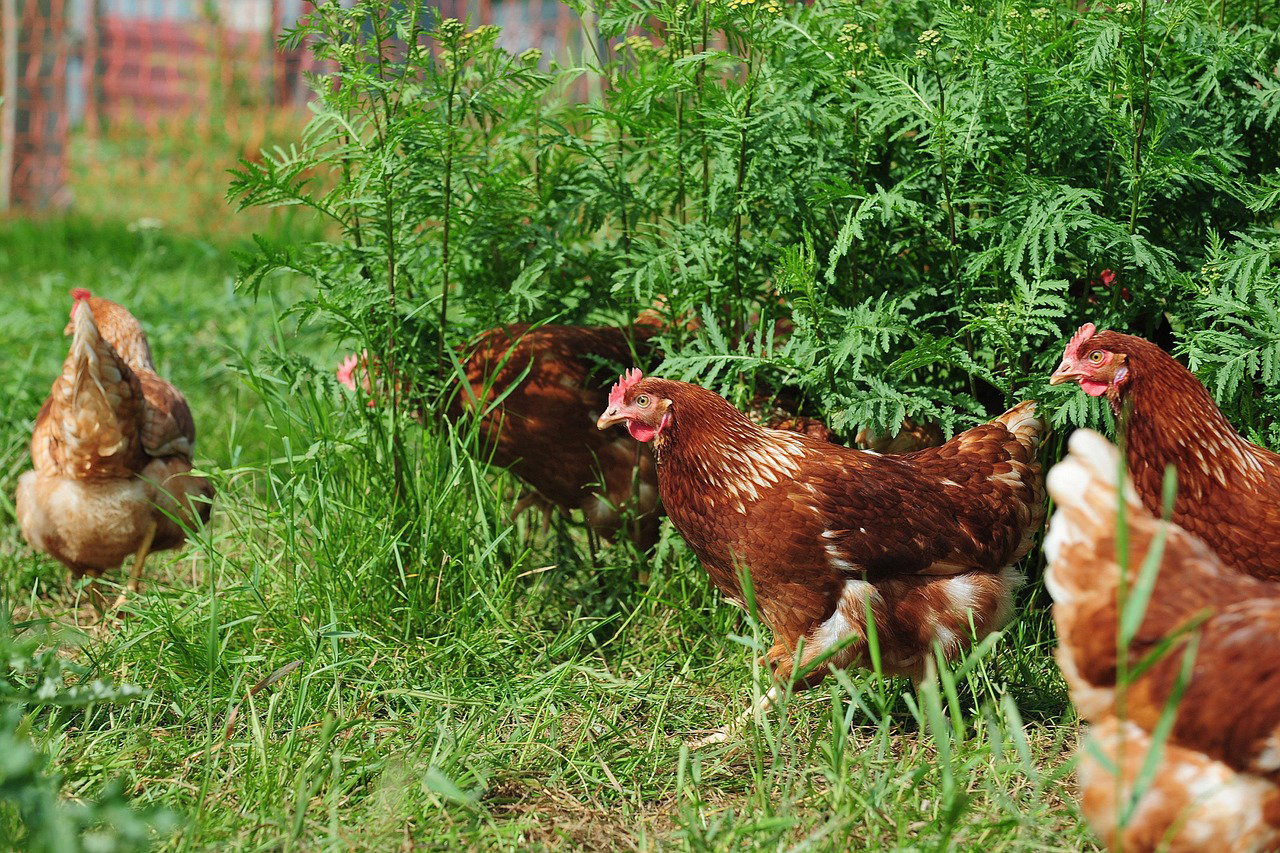
Feed is the largest cost in poultry farming, often consuming up to 70% of production expenses. Many farmers struggle to make profits because commercial feeds are expensive.
However, by combining homemade feed, natural protein sources, and farm-grown supplements, farmers can dramatically reduce feeding costs.
This guide explains a realistic low-cost feeding system that can help a farmer feed 100 chickens for about KSh 3,000 per month.
Understanding Chicken Feed Needs
An adult chicken typically eats about:
- 110–120 grams of feed per day
For 100 chickens, daily feed requirement is approximately:11–12 kg per day
Monthly requirement:330–360 kg of feed
Buying this entirely as commercial feed can cost KSh 15,000–20,000 per month.
The goal is to replace part of this feed using cheap or free alternatives.
The Low-Cost Feeding Strategy
Instead of relying fully on commercial feed, farmers combine:
- Homemade feed mix
- Azolla
- Black Soldier Fly larvae
- Kitchen leftovers
- Green vegetables and fodder
This combination dramatically lowers costs.
Component 1: Homemade Feed Mix
A cheap homemade feed formula can supply most of the daily feed.
Example 100 kg low-cost mix:
| Ingredient | Quantity |
|---|---|
| Maize | 60 kg |
| Wheat pollard | 20 kg |
| Sunflower cake | 10 kg |
| Fishmeal (omena) | 5 kg |
| Lime | 4 kg |
| Premix | 1 kg |
Estimated cost per 100 kg batch: KSh 3,500 – 4,000
This is much cheaper than commercial feed.
For 100 chickens, about 200 kg per month may be enough when supplemented with other feeds.
Estimated cost: KSh 7,000 – 8,000
Component 2: Azolla Supplement
6Azolla is a fast-growing aquatic plant rich in protein.
Benefits:
- 20–30% protein
- Very cheap to produce
- Requires little space
A 2 × 3 metre Azolla pond can produce:1–2 kg daily
Monthly production:30–60 kg
Cost of production is almost zero once the pond is established.
Component 3: Black Soldier Fly Larvae
6BSF larvae are one of the best natural protein sources for chickens.
Benefits:
- 40–45% protein
- Produced from organic waste
- Very cheap to produce
A small BSF unit can produce:1–3 kg larvae per day
Monthly production:30–90 kg
This replaces expensive protein feeds like fishmeal.
Component 4: Kitchen Waste
Many households throw away food that chickens can eat.
Examples include:
- Ugali leftovers
- Rice
- Vegetable peels
- Fruits
- Sukuma wiki leftovers
Drying or mixing these leftovers with feed can save significant amounts of feed.
Component 5: Green Fodder
5Chickens benefit from fresh greens such as:
- Amaranth (terere)
- Sweet potato vines
- Pumpkin leaves
- Young napier grass
These provide vitamins and reduce feed consumption.
Example Monthly Feeding Plan for 100 Chickens
| Feed Source | Quantity per Month | Cost |
|---|---|---|
| Homemade feed | 200 kg | KSh 7,500 |
| Azolla | 40 kg | Almost free |
| BSF larvae | 40 kg | Almost free |
| Kitchen waste | 30 kg | Free |
| Greens | 30 kg | Free |
Effective feed purchased: About KSh 7,500
However, if maize and other ingredients are partially grown on the farm, costs can drop significantly.
In highly efficient systems, farmers may reduce feed costs close to KSh 3,000 – 4,000 per month.
Additional Tips to Reduce Feed Costs
1. Ferment chicken feed
Fermented feed improves digestion and reduces consumption.
2. Reduce feed wastage
Use proper feeders to avoid spillage.
3. Allow controlled free ranging
Chickens can find insects and grass.
4. Grow feed crops
Farmers can grow maize, sunflower, and fodder.
Profit Example
If 100 layers produce:
- 70 eggs per day
Monthly egg production:2,100 eggs
Selling eggs at KSh 15 each:
Monthly income: KSh 31,500
If feed costs are reduced to KSh 3,000 – 7,000, profits increase significantly.
Final Thoughts
Reducing poultry feed costs is the key to profitable poultry farming. Farmers who rely entirely on commercial feeds often struggle with rising costs.
By combining homemade feed, Azolla, Black Soldier Fly larvae, kitchen waste, and green fodder, farmers can create a low-cost feeding system that maintains productivity while improving profits.
With proper management, feeding 100 chickens cheaply is very achievable, even for small-scale farmers in rural Kenya.