How to Grow Azolla for Poultry Feed in Kenya (Step-by-Step Guide)
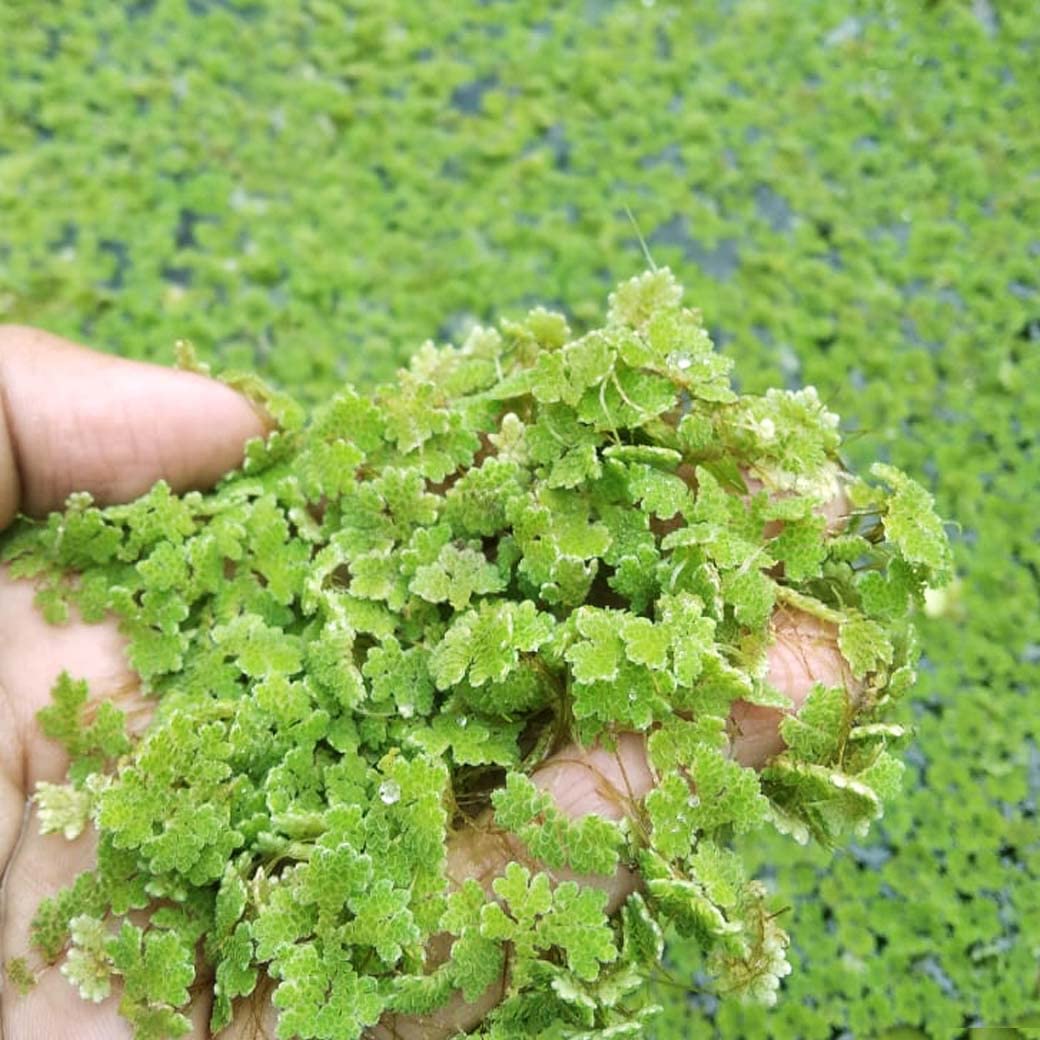
Azolla is one of the cheapest and easiest protein feeds poultry farmers can produce at home. It is a small floating aquatic plant that grows rapidly on water and contains 20–30% protein, making it an excellent supplement for chickens, ducks, pigs and fish.
Many poultry farmers are now growing Azolla because it:
- Reduces chicken feed costs
- Grows very fast
- Requires very small space
- Needs very little investment
With proper management, a small Azolla pond can produce 1–2 kg of feed per day.
What Is Azolla?
7Azolla is a tiny floating fern that grows naturally on water surfaces. It lives in a symbiotic relationship with a microorganism that helps it fix nitrogen, which is why it grows extremely fast.
Because of its high nutritional value, it is widely used as livestock and poultry feed.
Benefits of Azolla for Poultry Farmers
Azolla has several advantages:
High protein content
Contains about 20–30% protein, which is beneficial for egg production and growth.
Fast growth
Azolla can double its biomass within 3–5 days under good conditions.
Low production cost
It requires only water, cow dung, and small amounts of minerals.
Reduces feed costs
Azolla can replace 10–20% of commercial feed.
Easy to grow
Even farmers with very small land space can grow it.
Materials Needed to Grow Azolla
Starting an Azolla unit is very affordable.
You will need:
- Plastic sheet or pond liner
- Bricks or wooden frame
- Cow dung
- Superphosphate fertilizer
- Soil
- Water
- Starter Azolla culture
The startup cost can be less than KSh 2,000.
Step-by-Step SOP for Growing Azolla
Step 1: Select a Suitable Location
Choose a place that:
- Has partial shade
- Is protected from strong wind
- Is close to your poultry house
- Is near a water source
Too much sunlight can slow Azolla growth.
Step 2: Construct the Azolla Pond
A simple pond can be made using:
- Bricks
- Wooden frame
- Plastic sheet
Recommended pond size: 2 metres × 3 metres
Depth:10–15 cm
Line the base with a thick plastic sheet to prevent water leakage.
Step 3: Add Soil
Spread 10–15 kg of fertile soil evenly on the pond floor.
The soil provides minerals needed for Azolla growth.
Step 4: Add Water
Add water until the depth reaches 8–10 cm.
Avoid deep water because Azolla floats on the surface.
Step 5: Add Nutrients
Add the following:
- 1–2 kg fresh cow dung
- 20–30 grams superphosphate fertilizer
Mix well in the water.
These nutrients stimulate rapid Azolla growth.
Step 6: Introduce Azolla Culture
Add 500 g to 1 kg of fresh Azolla into the pond.
Spread it evenly across the water surface.
Within 10–15 days, the pond will usually become fully covered with Azolla.
Step 7: Maintain the Pond
Proper maintenance is important for continuous production.
Maintain:
- Water depth at 8–10 cm
- Partial shade
- Clean water
Add:
- Cow dung weekly
- Small amount of superphosphate every 10 days
Harvesting Azolla
10Harvest Azolla daily after the pond is fully covered.
Use:
- Plastic sieve
- Small net
- Perforated basket
Harvest about 500 g – 2 kg per day from a 2 × 3 m pond.
Always leave some Azolla behind to allow regrowth.
How to Feed Azolla to Chickens
Before feeding:
- Wash Azolla with clean water
- Remove mud and impurities
Feeding methods:
- Mix with chicken mash
- Feed fresh in a tray
- Mix with kitchen leftovers
Recommended feeding rate:
- 10–20 grams per chicken per day
Azolla should be used as a supplement, not the main feed.
Tips for Faster Azolla Growth
To achieve good production:
- Maintain water depth at 8–10 cm
- Provide 50–60% shade
- Add cow dung regularly
- Replace water every 2–3 weeks
Good management ensures continuous production year-round.
Common Problems and Solutions
Azolla turning yellow
Cause:
- Lack of nutrients
Solution:
- Add cow dung and phosphate fertilizer
Azolla dying
Cause:
- Too much sunlight or heat
Solution:
- Provide shade
Slow growth
Cause:
- Lack of nutrients
Solution:
- Add cow dung slurry
Production Potential
A 2 × 3 metre Azolla pond can produce:
- 1–2 kg Azolla daily
This can feed 50–100 chickens as a supplement.
For larger poultry farms, farmers can build multiple Azolla ponds.
Final Thoughts
Azolla is one of the most practical and low-cost poultry feed supplements available to farmers in Kenya. It requires very little investment and can significantly reduce the cost of feeding chickens.
Farmers who combine Azolla with homemade feed, termites, and kitchen leftovers can cut poultry feed costs by 30–40%.
With the rising cost of commercial feeds, Azolla is becoming an important solution for profitable poultry farming.