How to Produce Black Soldier Fly Larvae for Poultry Feed (Step-by-Step Guide)
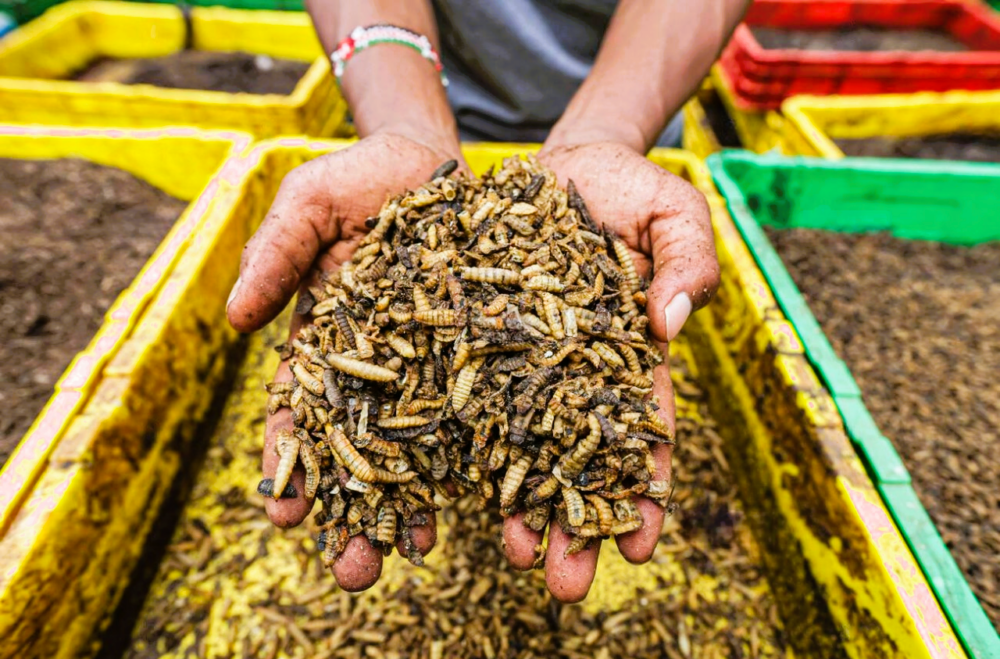
Black Soldier Fly larvae (often called BSF maggots) are one of the cheapest and most nutritious protein feeds for poultry. They contain about 40–45% protein and are rich in fats, amino acids, and minerals that help chickens grow faster and lay more eggs.
Many farmers in Kenya are now producing BSF larvae at home because they:
- Reduce the cost of poultry feed
- Grow very fast
- Feed on organic waste
- Require very little space
With proper management, a small BSF unit can produce 1–3 kg of larvae per day, enough to feed many chickens.
What Are Black Soldier Fly Larvae?
5Black Soldier Flies are harmless insects that naturally convert organic waste into high-protein larvae. The adult flies do not bite, sting, or spread disease.
Their larvae feed on materials such as:
- Kitchen waste
- Fruit and vegetable scraps
- Chicken manure
- Market waste
Within 10–14 days, the larvae grow large and can be harvested as animal feed.
Benefits of Black Soldier Fly Larvae for Poultry
BSF larvae are becoming popular because they offer many advantages.
High Protein Content
They contain 40–45% protein, which helps poultry grow faster and improves egg production.
Very Cheap Feed Source
Larvae can be produced using waste materials, meaning farmers spend almost nothing on production.
Reduces Feed Costs
BSF larvae can replace 25–50% of expensive protein feeds like fishmeal.
Fast Production
Larvae mature in about 10–14 days.
Environmentally Friendly
They help convert organic waste into useful animal feed.
Materials Needed to Start BSF Production
Starting a small BSF unit is simple and affordable.
Basic materials include:
- Plastic container, drum, or wooden box
- Kitchen or market waste
- Small amount of chicken manure
- Shade structure or roof
- Water source
- Mesh or net covering
The startup cost can be less than KSh 1,500.
Step-by-Step SOP for Producing Black Soldier Fly Larvae
Step 1: Choose a Suitable Location
Select a place that:
- Has shade
- Is well ventilated
- Is close to your poultry house
- Is away from direct rain
BSF larvae grow best in warm environments.
Step 2: Prepare the BSF Container
Use a container such as:
- Plastic basin
- Drum
- Wooden box
- Old bucket
The container should be 30–50 cm deep.
Drill small holes for drainage and airflow.
Step 3: Add Organic Waste
Place organic materials in the container such as:
- Fruit peels
- Vegetable waste
- Leftover food
- Chicken manure
- Market waste
Avoid:
- Too much salt
- Oils
- Chemicals
These wastes attract Black Soldier Flies to lay eggs.
Step 4: Attract Black Soldier Flies
Leave the container partially open so flies can access the waste.
The flies will naturally:
- Lay eggs near the waste
- Eggs hatch after about 4 days
- Small larvae begin feeding immediately
No special purchase of insects is usually required because BSF exists naturally in many areas.
Step 5: Maintain Moisture
The waste should be:
- Moist but not too wet
If it becomes dry:
- Sprinkle small amounts of water
Too much water can cause bad smells and slow growth.
Step 6: Allow Larvae to Grow
The larvae feed aggressively and grow quickly.
Growth stages:
- Day 1–4: eggs hatch
- Day 5–10: larvae grow rapidly
- Day 10–14: larvae ready for harvest
At this stage, they are large, creamy and very nutritious.
Step 7: Harvest the Larvae
6Harvest larvae using:
- Small shovel
- Plastic scoop
- Perforated sieve
Separate them from the waste material.
Some farmers design self-harvesting containers where larvae crawl into a collection bucket automatically.
How to Feed BSF Larvae to Chickens
BSF larvae can be fed:
- Fresh
- Dried
- Mixed with chicken feed
Recommended feeding rate:
- 10–20 grams per chicken per day
They should be used as a protein supplement, not the entire diet.
Drying BSF Larvae for Storage
Fresh larvae spoil quickly, so some farmers dry them.
Simple drying process:
- Wash larvae with clean water
- Boil briefly (optional)
- Sun-dry for 1–2 days
- Store in airtight containers
Dried larvae can be stored for several months.
Production Potential
A small BSF unit can produce:
- 1–3 kg larvae per day
This can feed:
- 100–200 chickens as a supplement.
Larger farms can build multiple containers to increase production.
Common Mistakes to Avoid
Avoid these common problems:
Too much water; Causes bad smell and slow growth.
Using chemical waste; Chemicals kill larvae.
Too little organic material; Reduces larvae production.
Direct sunlight; Larvae prefer warm shaded conditions.
Final Thoughts
Black Soldier Fly larvae production is one of the most practical ways to reduce poultry feed costs. The system is simple, affordable, and suitable for both rural and urban farmers.
By combining homemade feed, Azolla, termites, and BSF larvae, farmers can reduce poultry feeding costs by 30–50%.For many poultry farmers in Kenya, BSF production is becoming an important tool for profitable poultry farming.