How to Start a Chapati Stall Business in Kenya
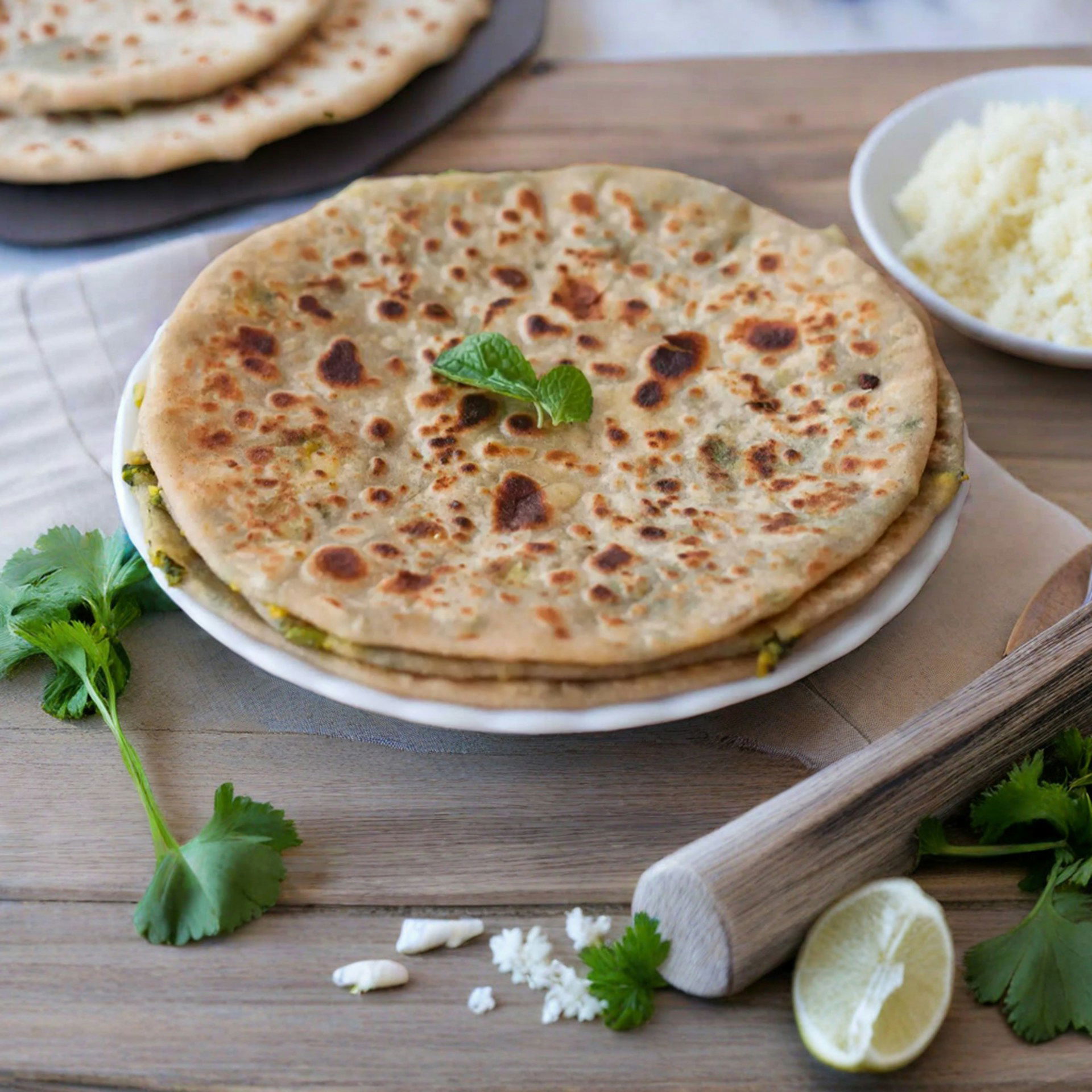
🌟 Why This Business Works
- Daily demand: Chapati is a staple across all income levels.
- Flexible: Works for breakfast, lunch, and evening meals.
- Low start-up cost: Flour-based business with cheap ingredients.
- Fast cash turnover: Cash business with minimal wastage.
- Scalable: From a small stall to a mini “Chapo Zone” café.
💰 Estimated Startup Capital
| Item | Cost (KSh) | Notes |
|---|---|---|
| Wheat flour (10 kg bale) | 1,200 | Makes ~90–100 chapatis |
| Cooking oil (3 litres) | 900 | For dough and frying |
| Salt, sugar & seasoning | 200 | Optional for taste |
| Charcoal jiko or gas burner | 1,200 | Gas burns cleaner, jiko cheaper |
| Sufuria, rolling pin, pan (flat tawa) | 1,000 | One-time cost |
| Mixing bowls & spoon | 400 | Dough prep |
| Surface table (foldable) | 700 | For preparation |
| Packaging (paper bags/foil) | 300 | Take-away service |
| Water & cleaning materials | 200 | Daily hygiene |
| Total Approximate Cost | ~6,000–7,000 |
✅ If you already own basic utensils, you can start with as little as KSh 5,000.
📈 Daily Cost & Profit Estimate
| Item | Amount (KSh) | Notes |
|---|---|---|
| Wheat flour 5 kg | 600 | Makes ~45–50 chapatis |
| Cooking oil | 300 | For kneading & frying |
| Salt, sugar, etc. | 100 | |
| Charcoal/gas | 150 | |
| Total Daily Cost | 1,150 | |
| Chapatis Sold (50 pcs @ KSh 20) | 1,000 revenue/day | |
| Gross Profit | ~KSh 850/day |
➡️ Monthly profit (25 working days): ~KSh 20,000+, with potential to double if you scale to 100 chapatis/day or add tea.
🧑🏾🍳 Step-by-Step: How to Make Soft & Tasty Chapatis
Ingredients
- 1 kg wheat flour
- 2 tbsp sugar
- 1 tsp salt
- 2 tbsp cooking oil/margarine
- 500 ml warm water
- Extra flour for dusting
Process
- Mix: Combine flour, sugar, and salt in a bowl.
- Add oil: Rub evenly into flour until crumbly.
- Add water: Gradually pour warm water and knead until smooth & elastic.
- Rest the dough: Cover and rest for 30–40 minutes (important for softness).
- Divide: Cut dough into equal balls (golf-size).
- Roll and coil: Roll flat → apply oil → coil into a roll (for layers).
- Rest again: 10–15 minutes before final rolling.
- Final roll: Flatten each coil into a round disc (~6–8 inches).
- Cook: On medium heat, lightly oil pan and cook both sides until golden.
- Oil brushing: Lightly brush with oil for softness and gloss.
⚙️ Basic Equipment Checklist
| Equipment | Use | Est. Cost (KSh) |
|---|---|---|
| Chapati pan (tawa) | Frying | 600 |
| Rolling pin | Flattening dough | 200 |
| Mixing bowl | Dough mixing | 300 |
| Table/surface board | Rolling | 700 |
| Jiko or gas burner | Heat source | 1,200 |
| Airtight container | Storage | 300 |
| Paper bags & foil | Packaging | 300 |
| Knife & scraper | Cleaning | 100 |
📍 Ideal Locations
- Near residential estates & kiosks
- Near schools, colleges, and garages
- Market entrances or matatu stages
- Near construction sites or offices
💡 Tips to Stand Out
- Consistency is key: Every chapati should be soft, round, and fresh.
- Use clean oil — dark oil ruins flavor and reputation.
- Add mild aroma: A little cardamom or butter makes yours unique.
- Display neatly: Stack in covered trays, not open air.
- Warm service: Serve with a smile; small talk brings repeat buyers.
- Combo offers: “Chapati + beans = KSh 50” or “Buy 5 get 1 free.”
- Sell in peak hours: 6–10 a.m. and 6–9 p.m.
- Packaging hack: Fold chapati in clean foil/paper for takeaway.
- Partner with tea sellers: They sell your chapati, you split profit.
- Social push: Post your chapos on WhatsApp status — people order for office tea.
⚠️ Mistakes to Avoid
- Hard chapatis (poor kneading or no dough rest).
- Dirty oil and unclean environment.
- Cooking with too much or too little heat.
- Leaving chapatis uncovered — they dry fast.
- Unfriendly or inconsistent pricing.
🚀 Growth Opportunities
- Add beans, ndengu, eggs, or beef stew later for full meals.
- Start office or school deliveries (chapati + stew lunch packs).
- Brand your stall — “Soft Layer Chapos KE” or “Golden Flatbread.”
- Save for a 2-burner gas setup and a larger pan for speed.
- Sell in dozen packs for families or event catering.
✅ Final Thoughts
Yes — a Chapati Stall Business is highly viable and profitable in Kenya with a capital as low as KSh 5,000.
Focus on softness, hygiene, aroma, and friendly service — and your chapatis will sell out daily.
“Soft, warm, and golden — one chapati at a time.”