How to Start a Co-Working Space in Kenya: The Peri-Urban Opportunity
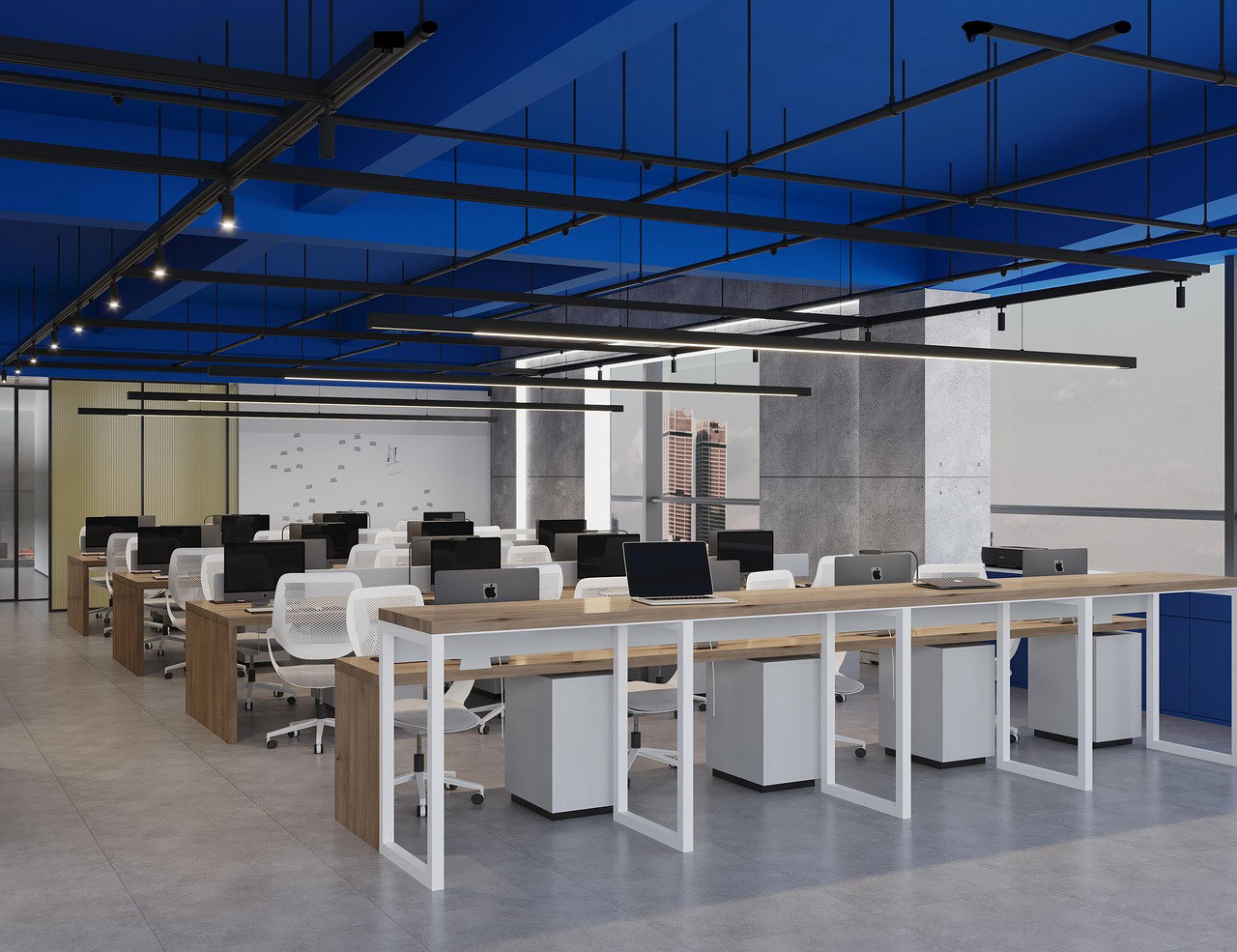
The Remote Work Shift Beyond Nairobi’s CBD
For years, co-working in Kenya meant high-rise, glass-clad offices in Westlands, Kilimani, or Upper Hill charging KES 15,000 to KES 25,000 per month for a single desk.
That model is changing.
A massive demographic shift is taking place across Kenya’s urban and peri-urban landscapes. Thousands of freelancers, tech developers, remote corporate employees, online tutors, and digital entrepreneurs now live in satellite towns and peri-urban centers like Ruiru, Kitengela, Ongata Rongai, Syokimau, Thika, Kikuyu, Nakuru, Eldoret, and Naivasha.
Working from home in these areas comes with well-known headaches:
- Unreliable Power: Spontaneous KPLC blackouts that ruin deadlines.
- Distractions: Family demands, noisy estate environments, and bad ergonomics.
- Isolation: Lack of professional networking and a distinct boundary between work and home.
Travelling two hours into Nairobi's CBD just to sit at a desk defeats the purpose of remote work. This creates a sweet spot for forward-thinking entrepreneurs: the affordable, community-driven neighborhood co-working space.
By opening a space where real estate costs are significantly lower, you can offer daily access for KES 300 – KES 700 or monthly passes for KES 5,000 – KES 9,000, delivering huge value while running a high-margin local business.
What is a Co-Working Space? (The Beginner Definition)
At its core, a co-working space is a shared professional workplace where individuals from different companies, industries, or projects work side by side.
Instead of a single business leasing an entire floor, a co-working space operator leases a property, fits it with high-speed internet, comfortable seating, reliable power backup, and shared amenities, and then sub-leases access to individuals on flexible terms:
- Hourly / Daily Passes: For drop-ins who need a desk for a quick task or a full day's hustle.
- Weekly / Monthly Passes: For regular remote workers seeking a consistent workstation.
- Dedicated Desks: Reserved spots for users who want to leave their equipment on-site overnight.
- Private Meeting Spaces: Hourly rentals for hosting clients, holding team strategy sessions, or conducting video calls.
Unlike traditional office spaces with multi-year leases, co-working is built on flexibility, low commitment, and community.
Who is Your Target Customer? (Understanding Your Hub's Audience)
To build a full space without overspending, you need to tailor your setup to the specific types of workers living in peri-urban areas.
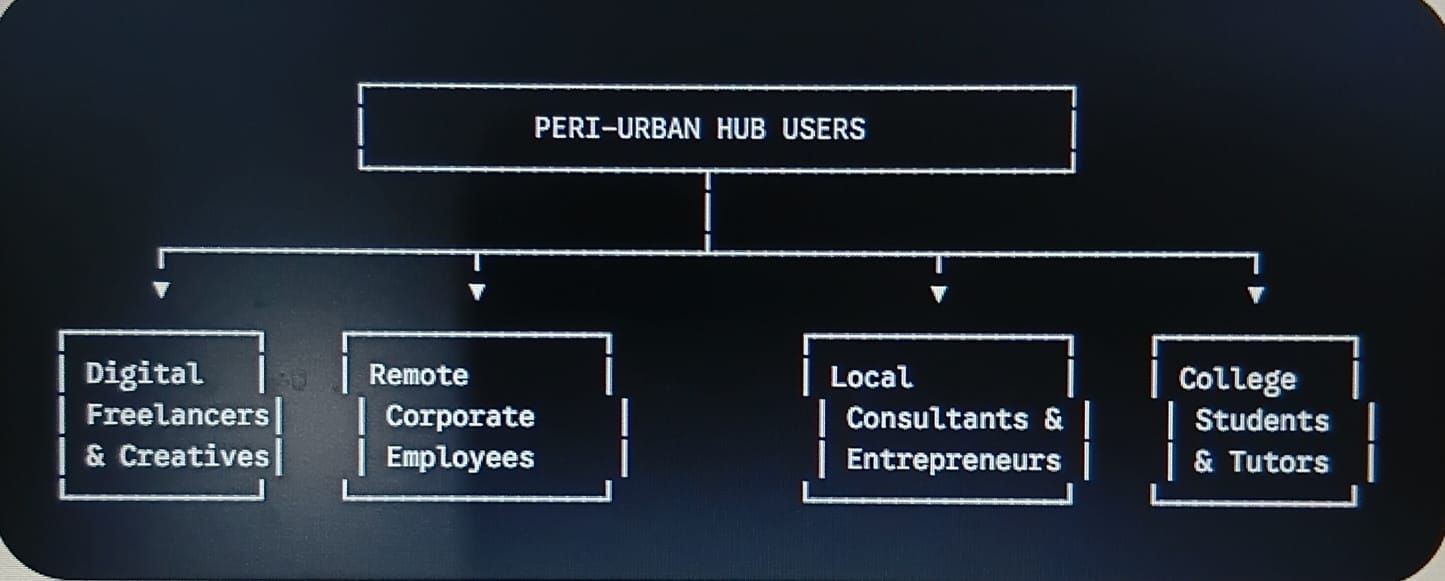
1. Digital Freelancers & Tech Creatives
- Who they are: Software developers, copywriters, graphic designers, digital marketers, and virtual assistants.
- What they need: Uninterrupted high-speed Wi-Fi, reliable power backup, multiple socket outlets, and a distraction-free environment.
- Buying behavior: Price-sensitive; they prefer affordable monthly passes or flexible day passes.
2. Remote & Hybrid Corporate Workers
- Who they are: Employees working for Nairobi-based multinationals, NGOs, or international companies who work remotely 3 to 4 days a week.
- What they need: Professional backdrops for Zoom calls, quiet spaces, soundproof call areas, and clean coffee stations.
- Buying behavior: Less price-sensitive; their employers often stipend their workspace expenses.
3. Local Consultants & Micro-Entrepreneurs
- Who they are: Lawyers, accountants, insurance agents, tax consultants, and real estate agents operating in the local town.
- What they need: A professional address to meet clients, access to printing/scanning, and small meeting rooms.
- Buying behavior: They often rent boardroom hours or opt for dedicated desks to project a professional image without high overhead.
4. Part-Time Students & Professional Researchers
- Who they are: University students studying online, individuals prepping for professional certifications (CPA, AWS, ACCA), or researchers.
- What they need: Quiet "deep focus" zones, cheap daily rates, and evening or weekend access.
Why Peri-Urban Spaces Outperform Uptown Locations
Opening an affordable hub outside major commercial capitals offers distinct operational advantages:
- Significantly Lower Rent: Rent per square foot in satellite towns can be 50% to 70% cheaper than prime urban centers, reducing your monthly breakeven point.
- High Customer Loyalty: Workers who live 10 minutes away from your space won't easily leave for a competitor that requires a long commute.
- Organic Local Word-of-Mouth: Neighborhood WhatsApp groups, estate forums, and local business networks drive organic growth far more effectively than expensive digital ads.
- Lower Overhead: Utility costs, local services, and setup labor are significantly cheaper in outer-city nodes.
Next Up in the Series
Now that you understand the market opportunity and who your space serves, the next step is turning an empty room into a functional workspace.In Part 2, we examine Planning, Partitioning, and Amenities—including exact floor layout strategies, keeping partitioning costs low, sourcing durable furniture, and setting up bulletproof power and internet redundancy on a budget.