How to Start a Crayon-Making Business in Kenya
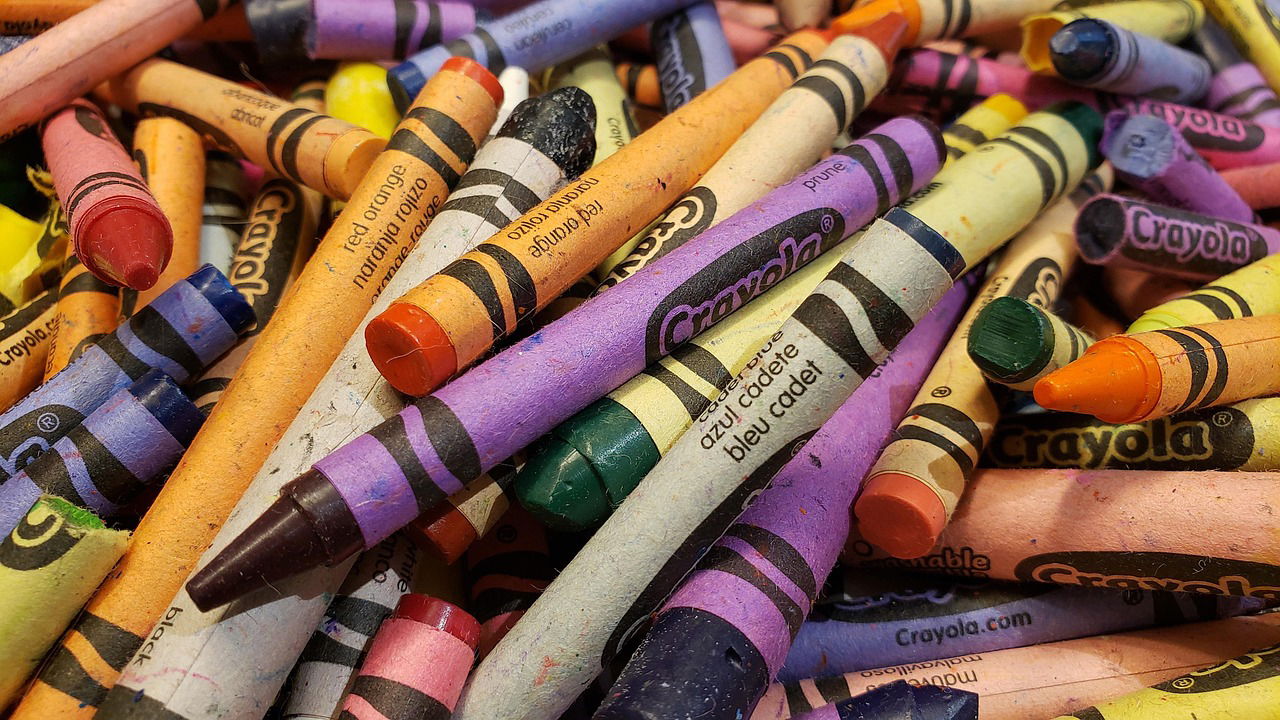
🖍️ Crayon-Making Business in Kenya (Home-Based)
Why it makes sense
- Steady demand: Schools, kindergartens, art classes, gift packs.
- Low capital: Basic tools + locally available waxes and pigments.
- Easy to start: Small batches on a kitchen table; scale with silicone molds.
- Room to niche: School colors, safari/“Kenya” themes, party favors, custom shapes (animals, letters).
Two product options (choose one to start)
- Wax crayons (harder, classic school type) – durable, clean lines.
- Oil pastels (softer, creamier) – brighter laydown, slightly pricier to make.
If you’re brand-new, begin with wax crayons (easier handling), then add oil pastels later.
Raw materials & basic tools (readily available in Kenya)
Where to source (typical):
Nairobi Industrial Area & River Road corridors (chemical vendors), Kamukunji/OTC/Sunbeam (packaging & tools), Kariobangi/Industrial Area (molds, light fabrication), major towns’ hardware/chemical/packaging outlets; online shops (Jumia/Kilimall) for small tools/silicone molds.
For Wax Crayons (starter 2–3 kg batch)
- Paraffin wax pellets (main binder)
- Stearic acid or stearin (adds hardness, reduces brittleness)
- Microcrystalline wax or polyethylene wax (optional; improves strength & laydown)
- Pigment powders (non-toxic, lightfast; 6–12 colors)
- Talc or calcium carbonate (filler to adjust hardness/coverage)
- Mold release (a drop of liquid paraffin or food-grade oil)
Tools: double-boiler (two sufurias), thermometer, stainless/PP mixing cups, silicone spatulas, silicone crayon molds (stick or fun shapes), digital scale (±1 g), PPE (gloves, mask), baking/parchment sheet, shrink sleeves or small paper wrappers, boxes/labels.
For Oil Pastels (when you expand)
- Mineral oil (liquid paraffin), microcrystalline/PE wax, stearic acid, non-toxic pigments, kaolin/talc as filler.
Lean startup budgets
Option A — Ultra-lean (Wax crayons, ~KSh 7,000–9,500)
- Waxes & stearic (2–3 kg total): 3,000–3,800
- 8 pigment colors (small packs): 1,200–1,600
- 2 silicone molds (multi-cavity): 1,500–2,000
- Double-boiler/thermometer/spatulas: 1,200
- Packaging (wrappers/labels/boxes): 800–900
- PPE & miscellany: 400
Option B — Comfortable (Wax + Oil pastel trial, ~KSh 12,000–15,000)
- More pigments (12 colors), extra molds, small hand heat gun for demolding/polish, nicer retail boxes.
You can start very small (1 kg wax + 4 pigments + 1 mold) for ~KSh 5,000–6,000 if you already own pots and basic tools.
Safe workspace checklist (important)
- Ventilated area, away from kids/pets.
- Dedicated table, easy-to-clean surface.
- Heat indirectly (double-boiler), not naked flame.
- Wear gloves & mask when handling pigment powders.
- Label all jars; keep food separate from production.
Core formulas (beginner-friendly)
A) Wax Crayon Base (by weight)
- Paraffin wax: 70%
- Stearic acid: 20%
- Microcrystalline/PE wax: 5% (optional but helpful)
- Pigment + filler (talc/CC): 5% (split e.g., 2–3% pigment + 2–3% filler depending on shade strength)
Dark colors need less pigment, light/bright colors need more. Adjust 1–5% range.
B) Oil Pastel Base (when you expand)
- Mineral oil: 30–35%
- Microcrystalline/PE wax: 35–40%
- Stearic acid: 10–15%
- Pigment: 5–10%
- Filler (talc/kaolin): 5–10%
Step-by-step process — WAX CRAYONS
- Prep & weigh
- Weigh waxes & stearic into a heat-safe cup.
- Pre-mix your dry color: pigment + a bit of filler (talc) so it disperses evenly.
- Melt base (70–85 °C)
- Use a double-boiler; melt paraffin, add stearic, then optional microcrystalline/PE wax.
- Stir until fully clear; do not overheat (avoid smoking).
- Color dispersion
- Lower heat to ~75 °C. Sprinkle in the pigment/filler blend slowly while stirring continuously.
- Scrape bowl edges so no dry pockets remain. Aim for uniform, streak-free color.
- Viscosity check
- Take a spoon dip test; cool a drop on a plate: it should set firm, not brittle and make a solid mark on paper.
- Too soft → add a little stearic. Too brittle → increase paraffin or add a tiny bit of microcrystalline.
- Mold prep & pour
- Lightly wipe mold cavities with a tiny amount of release oil (or none if high-quality silicone).
- Pour slowly into cavities; tap mold to release bubbles. Top up if level sinks slightly.
- Cool & demold
- Let cool at room temp 30–60 min (don’t fridge—can cause surface bloom/cracks).
- Demold gently. If edges are sharp, briefly pass a warm spoon/heat gun far above surface to smooth.
- Wrap & pack
- Hand-wrap sticks in small paper sleeves or use shrink sleeves.
- Pack sets (6/8/12/24 colors) in tuck boxes with non-toxic notice and contact.
Quality checks
- Write test: color should transfer cleanly on paper without crumbling.
- Break test: should bend slightly then break—not shatter.
- Rub test: minimal waxy smear on fingers; adjust filler/stearic if too soft.
Step-by-step process — OIL PASTELS (when you add them)
- Melt wax phase (microcrystalline/PE + stearic) at 70–85 °C.
- Blend in mineral oil slowly; stir till uniform.
- Add pigment + filler (pre-mixed) while stirring to smooth paste.
- Cool slightly until the paste thickens but is still pourable/scoopable.
- Fill molds (or extrude into stick channels using a simple syringe/piping bag).
- Set at room temp; demold; sleeve wrap to reduce oil bleed.
- Cure 24–48 h before packing.
Tuning: Too oily/greasy → reduce mineral oil or raise stearic; too hard/scratchy → add a little oil or reduce filler.
Yields, pricing & profits (starter maths)
Example: Wax crayons (2 kg total batch, 8 colors):
- COGS estimate (waxes + pigments + filler + wrappers + boxes): ~KSh 2,800–3,400
- Output: ~220–260 sticks (e.g., 8-color sets of 8–10 sticks)
- If you sell 30 sets of 8 @ KSh 120 wholesale → KSh 3,600 revenue
- Small retail packs (12-color @ KSh 180–220) increase margin.
- As you optimize (less waste, faster molds), gross profit climbs 20–40% per batch.
Oil pastels cost more per stick but retail higher (e.g., 12-color @ KSh 250–350).
Branding & sales channels
- Nearby schools & bookshops (wholesale), teachers/parents’ WhatsApp groups, stationary kiosks, craft stores.
- Online: Facebook/Instagram/TikTok (show mixing & molding), Jumia/Kilimall.
- Gift packs: add Kenyan wildlife shapes, alphabet sets, or party favor packs (names/ages).
- Offer custom color sets for schools/clubs.
Compliance & safety notes (practical)
- Use non-toxic pigments (avoid heavy metals; ask vendors).
- Label: “Non-toxic, for ages 3+, use under adult supervision, not for ingestion.”
- Keep SDS (safety data sheets) for waxes/pigments in a file.
- When scaling to supermarkets/exports, consult KEBS for product & labeling standards.
Common mistakes (and quick fixes)
- Brittle, snapping crayons: too much stearic/filler → increase paraffin or add microcrystalline wax.
- Crumbly laydown: pigment not dispersed → mix longer at heat; sieve pigment; use dispersant (a drop of mineral oil for oil pastels).
- Color too dull: under-pigmented or excessive filler → raise pigment 0.5–1%.
- Sticking to molds: insufficient release or cold mold → warm mold slightly, micro-wipe with oil.
- Bloom/whitening on surface: cooled too fast → avoid fan/fridge.
7-day launch plan
- Day 1: Buy materials, molds, packaging; set up workspace & PPE.
- Day 2: Make two colors (small batch), test write/break, tweak formula.
- Day 3: Produce 6–8 colors; perfect pouring & demolding.
- Day 4: Design simple sleeves/box labels; price sets.
- Day 5: Photos + WhatsApp catalog; visit 5–10 bookshops/schools.
- Day 6: Fulfill first orders; record time/cost per batch.
- Day 7: Review margins; plan bigger batch & consider oil pastel pilot.
Bottom line
Yes — you can start a home-based crayon business in Kenya on ~KSh 5,000–9,500 (wax crayons) and grow steadily. Begin with a small, safe setup, nail color quality and durability, sell to nearby schools/bookshops/parents, and add oil pastels once the basics run smoothly.