How to Start a Fresh Juice Business in Kenya
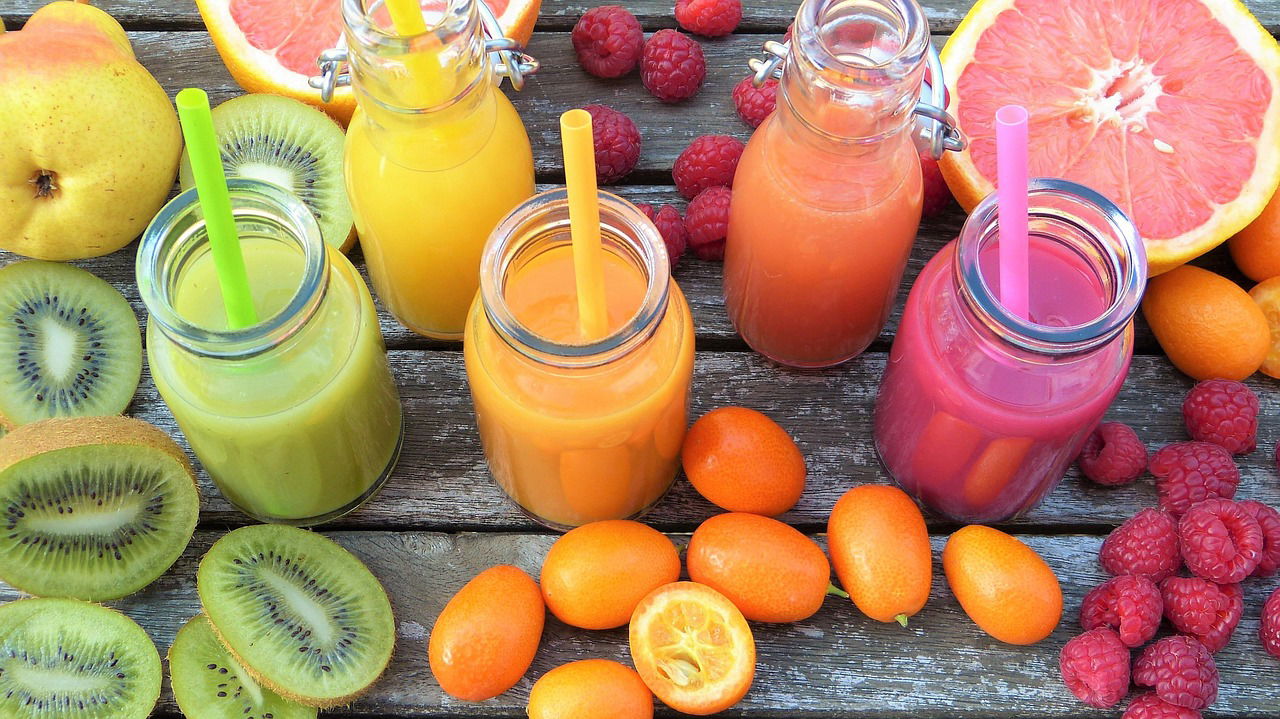
🌟 Why It Works
- High demand: Kenyans increasingly prefer natural juices to sodas.
- Low cost, fast turnover: Fruits are affordable in open markets; juice sells daily.
- Flexible: You can operate from home, roadside, market stall, or delivery model.
- Scalable: Start small with one blender; add varieties, dispensers, or a juice cart later.
Target market:
- Office workers, students, matatu drivers, shoppers, gym goers — basically, anyone on the move.
💰 Estimated Startup Capital (KSh 10,000)
| Item | Estimated Cost (KES) |
|---|---|
| Blender / small juicer machine | 3,000 |
| Fruits (initial stock – oranges, mangoes, pineapples, watermelons, carrots, etc.) | 2,000 |
| Sugar, lemons, mint, ice, additives (optional) | 500 |
| Plastic takeaway cups + lids & straws (≈ 200 pcs) | 1,200 |
| Small table + basin + knife + jug + cutting board | 1,500 |
| Water container / cooler & detergent | 800 |
| Branding/umbrella/poster | 1,000 |
| Total Approximate Cost | KSh 10,000 |
✅ You can reduce cost further if you already own a blender, table, or basin.
⚙️ How the Business Works
- Source fruits early morning from local market (Marikiti, Gikomba, or local suppliers).
- Wash, peel & blend according to variety (e.g., mango–pineapple mix, watermelon, or carrot–apple).
- Serve chilled or add ice cubes for takeaway customers.
- Sell in disposable plastic cups (200–300 ml for KSh 50–70, 500 ml for KSh 100).
- Reinvest daily profits to restock fruits and cups.
📈 Profit Estimate (Daily Operations)
| Description | Value |
|---|---|
| Average selling price per cup | KSh 70 |
| Estimated cups sold daily | 40 |
| Daily revenue | KSh 2,800 |
| Average fruit & packaging cost (≈ 40%) | KSh 1,100 |
| Daily gross profit | KSh 1,700 |
| Monthly profit (22 days) | ≈ KSh 37,000 |
Even if you only sell 20 cups/day, you still net about KSh 15,000–20,000/month, which is solid for a 10k startup.
🧠 Best-Selling Juice Varieties in Kenya
| Flavor | Cost Efficiency | Popularity |
|---|---|---|
| Mango–Pineapple mix | High yield | ⭐⭐⭐⭐ |
| Watermelon | Low cost, refreshing | ⭐⭐⭐⭐⭐ |
| Carrot–Apple–Ginger | Premium health blend | ⭐⭐⭐ |
| Orange (pure) | Medium cost | ⭐⭐⭐⭐ |
| Lemon–Mint (detox) | Low cost | ⭐⭐⭐ |
Focus on 2–3 popular flavors at first, then rotate by season.
📍 Ideal Locations
- Outside offices or matatu stages
- Near schools, colleges, or gyms
- Market centers or open-air stalls
- Apartment estates & church compounds (weekends)
- Delivery model to offices (if you have a small cooler)
💡 Tips for Success
- Freshness sells: blend only what you can sell within the hour.
- Cleanliness = trust: clean utensils, gloves, aprons, covered table.
- Attractive display: neatly arranged fruits attract walk-in customers.
- Affordable packaging: use clear disposable cups with straws or lids.
- Build loyalty: offer “buy 5 get 1 free” or “refill discounts.”
- Keep records: track daily expenses vs sales.
- Use social media: post daily “Fresh juice ready 🍍🥭” on WhatsApp/Instagram.
⚠️ Key Considerations
- Use clean, safe water and maintain hygiene.
- Apply for a food handler’s medical certificate from your county public health office.
- Get a small single-business permit when you go public (cost ~KSh 1,000–2,000).
- Avoid using non-food-grade containers.
- Do not store blended juice overnight — always serve fresh.
🚀 Expansion Ideas
Once profits grow:
- Add smoothies or milkshakes (banana, avocado, strawberry).
- Invest in a larger commercial juicer (~KSh 12,000–15,000).
- Introduce delivery to offices or schools.
- Brand your setup (“FreshPress KE”, “JuiceStop Kenya”, etc.).
- Partner with gyms or restaurants as a supplier.
✅ Final Thoughts
A fresh-juice business under KSh 10,000 is both practical and profitable if you:
- Focus on freshness, cleanliness, and flavor consistency, and
- Keep costs lean while scaling gradually.
You can start tomorrow morning from your kitchen or veranda and grow it into a branded juice bar over time.
Small capital. Big refreshment. Big returns. 🍍🥭🍉