How to Start a Fruit Stall Business in Kenya: A Complete Beginner’s Guide
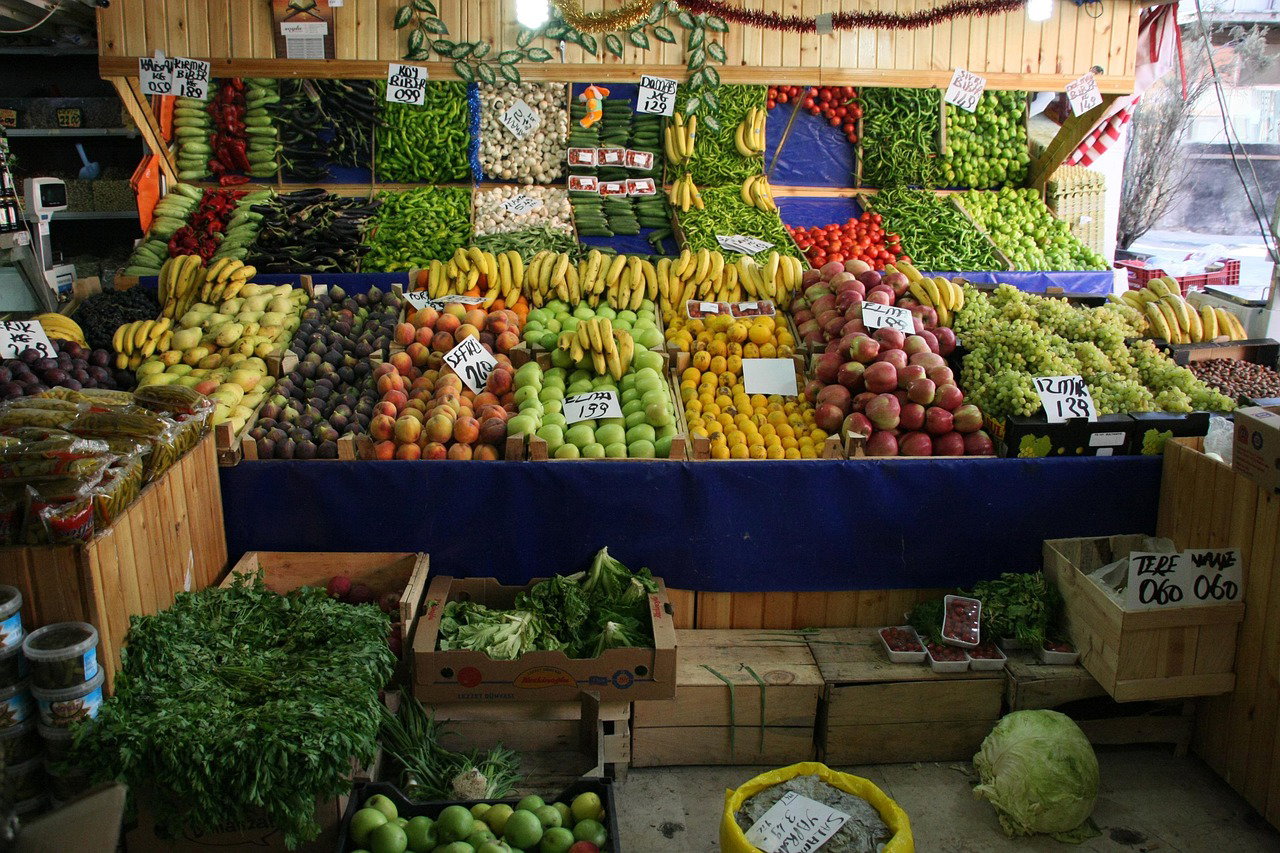
A fruit stall is one of the simplest businesses to start in Kenya because fruits are products with daily demand. People buy fruits for breakfast, snacks, health reasons, offices, schools, events and homes.
Unlike many businesses that require expensive equipment, a small fruit stall can start with modest capital and grow gradually into a profitable fresh produce business.
However, success depends on more than just buying fruits and placing them on a table. Location, presentation, sourcing, pricing and customer service determine whether the business survives.
Is a Fruit Stall Business Profitable in Kenya?
Yes, a well-managed fruit stall can be profitable because fruits have regular demand and fast turnover.
A trader can make money through:
- Selling whole fruits
- Selling prepared fruit portions
- Supplying offices and shops
- Making fruit cups
- Selling fruit trays for events
- Taking orders through social media
The biggest challenge is controlling wastage because fruits are perishable.
A profitable fruit seller focuses on:
- Buying the right quantities
- Selling fast-moving fruits
- Keeping fruits fresh
- Reducing damaged stock
Starting Capital Required
A small fruit stall can start with approximately:
Small roadside setup:
KSh 5,000 – 20,000Possible expenses:
- Fruits stock
- Table or stand
- Display crates
- Knife and cutting tools
- Packaging materials
- Umbrellas or shade
- Cleaning supplies
- Transport
A more organized stall in a busy location may require more capital.
Choosing the Right Location
Location is one of the biggest factors in fruit business success.
Good locations include:
Residential areas
Ideal customers:
- Families
- Workers
- Students
Best products:
- Bananas
- Mangoes
- Avocados
- Watermelon
- Oranges
Busy roads and stages
Customers want quick purchases.
Focus on:
- Ready-to-eat fruits
- Fruit cups
- Cut pieces
Near offices
A very good opportunity because many workers want healthy snacks.
Potential products:
- Fruit bowls
- Mixed fruit packs
- Office delivery packages
Near schools and colleges
Popular items:
- Bananas
- Mango slices
- Small affordable fruit portions
Avoid locations where:
- There is low foot traffic
- Many fruit sellers already compete
- Fruits are exposed to dust or extreme heat
Fast-Moving Fruits in Kenya
Some of the commonly popular fruits include:
Bananas
Advantages:
- Sell throughout the year
- Affordable
- Easy to carry
Mangoes
High demand during season.
Watermelon
Popular because:
- Many people buy slices
- Good for hot weather
Pineapples
Good profit potential when properly displayed.
Avocados
Strong demand especially in towns.
Oranges
Popular with families and offices.
Pawpaw
Good for fruit portions.
Apples and grapes
Serve higher-income customers.
A good stall should mix:
- Affordable everyday fruits
- Premium fruits
- Seasonal fruits
Where to Source Fruits
The goal is to buy fresh fruits at the lowest possible cost.
Possible suppliers:
Wholesale markets
These offer:
- Better prices
- Variety
- Large quantities
Farmers
Buying directly from farmers can improve margins.
Advantages:
- Fresh produce
- Better negotiation
- Consistent supply
Local traders
Useful when starting small.
The important thing is to compare:
- Price
- Quality
- Transport cost
- Shelf life
How to Display Fruits to Attract Customers
Fruit selling is a visual business.
A good display should:
- Look clean
- Show different colors
- Keep fruits organized
- Make customers see quality immediately
Tips:
- Use raised crates
- Separate ripe and unripe fruits
- Remove damaged fruits quickly
- Arrange fruits by color
- Keep prices visible
A clean attractive stall often sells more than a cheaper but messy stall.
Selling Chopped Fruits and Mixed Fruit Packs
Yes, adding chopped fruit products can increase profits.
Many customers do not just want fruits — they want convenience.
Products you can introduce:
Fruit cups
Examples:
- Watermelon + pineapple
- Banana + pawpaw
- Mixed fruit
Office fruit packs
Target:
- Offices
- Salons
- Shops
- Small companies
Family fruit trays
For:
- Meetings
- Parties
- Events
Advantages:
- Higher selling price
- Less customer effort
- Builds a brand
However:
- Maintain hygiene
- Use clean packaging
- Prepare reasonable quantities to avoid losses
Using Social Media to Grow the Business
A small fruit stall can use social media without a big budget.
Useful platforms:
- WhatsApp Status
- TikTok
Post:
- Fresh arrivals
- Daily offers
- Fruit packs
- Customer orders
- Behind-the-scenes preparation
Example WhatsApp message:
"Fresh fruit packs available today. Office and home delivery available. Order before 11am."
Getting Office and Business Customers
Create simple packages:
Daily office fruit supply
Example:
- 10 fruit cups daily
- Weekly office package
Approach:
- Offices
- Clinics
- Salons
- Gyms
- Small businesses
Offer:
- Reliable delivery
- Clean packaging
- Consistent quality
Pricing Strategy
Avoid copying other sellers blindly.
Calculate:
Cost of fruits + transport + packaging + losses = Total cost
Then add profit margin.
Remember: A fruit business loses money when:
- Too much stock is bought
- Fruits spoil
- Prices are not adjusted
Common Mistakes Beginners Make
- Buying too much stock
- Choosing a poor location
- Ignoring cleanliness
- Selling only whole fruits
- Poor customer service
- Not tracking daily sales
How to Grow From a Small Stall
Growth ideas:
- Add fruit delivery
- Supply offices
- Add fresh juice
- Create branded packaging
- Open another stall
- Supply shops
A fruit stall can grow from a simple roadside table into a recognizable fresh produce brand.
Final Thoughts
A fruit stall business in Kenya can be started with manageable capital and grown step by step. The winners are usually not the biggest sellers but those who understand customers, maintain quality and reduce wastage.
Freshness, presentation and convenience are what turn a small fruit stall into a profitable business.