How to Start a Home-Based Arrowroots Value Addition Venture in Kenya
A practical small-scale business guide
Arrowroots (locally known as ndũma) are widely consumed in Kenya and are considered a healthy traditional food. Instead of selling them raw, you can process arrowroots into value-added products such as flour, crisps, snacks, and porridge mixes that sell at much higher prices and have longer shelf life. Since three medium arrowroots cost about KSh 100 from farmers, value addition can significantly increase the profit margin. This guide explains how to start a small home-based arrowroot processing business, including equipment, processes, and a lean startup budget.
1. Arrowroot Products You Can Make
A small home venture can produce several products from arrowroots.
1. Arrowroot Flour
Used for:
- gluten-free baking
- porridge flour
- thickening soups and sauces
This product has high demand among health-conscious consumers.
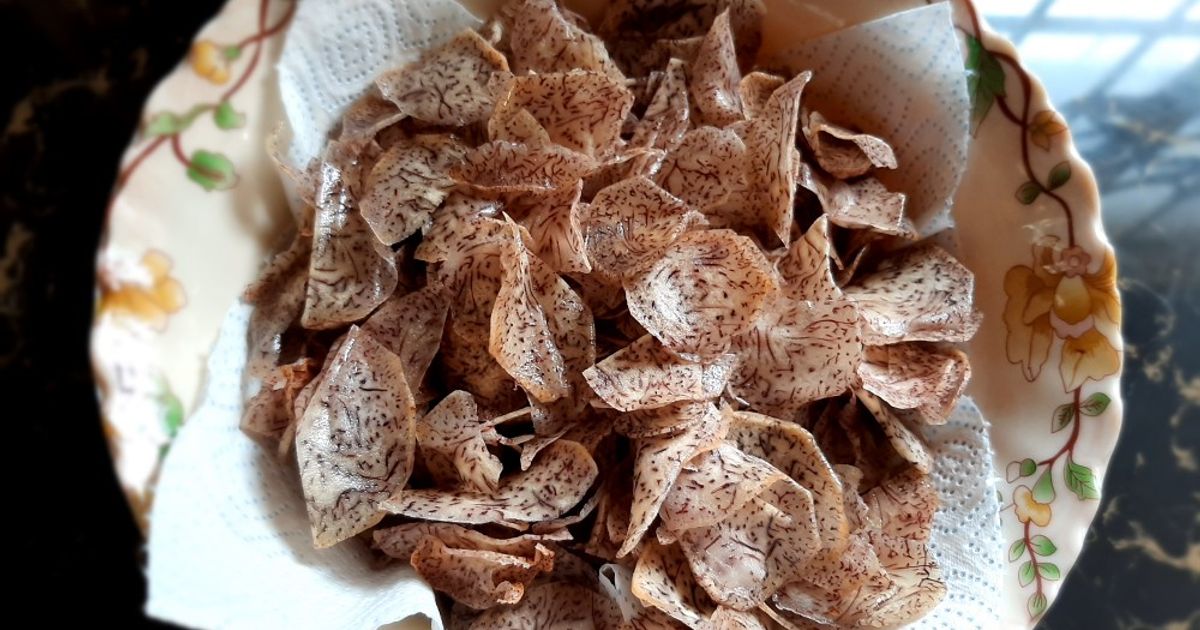
2. Arrowroot Crisps / Chips
Thin sliced arrowroots fried and packaged as snacks.
They are becoming popular as an alternative to potato crisps.
3. Dried Arrowroot Slices
Dried pieces can be sold for:
- soup ingredients
- porridge preparation
- baby foods.
4. Arrowroot Porridge Mix
Ground arrowroot mixed with:
- millet flour
- sorghum flour
- groundnuts.
This is popular for infants and health-conscious consumers.
2. Equipment Needed for a Home Venture
Most of the equipment is simple and affordable.
Basic Equipment
| Equipment | Purpose | Estimated Cost (KSh) |
|---|---|---|
| Knives & peelers | peeling arrowroots | 500 |
| Plastic basins | washing and handling | 1,000 |
| Cutting board | slicing | 500 |
| Manual slicer | making chips slices | 2,000 |
| Cooking pots | boiling or blanching | 2,000 |
| Drying racks / trays | sun drying | 3,000 |
| Charcoal jiko / gas burner | frying or cooking | 3,000 |
| Deep frying pan | making crisps | 2,000 |
| Food grinder / posho mill | grinding flour | 5,000–10,000 |
| Kitchen scale | measuring products | 1,500 |
| Sealing machine | sealing packaging | 3,000 |
Total basic equipment:≈ KSh 20,000 – 30,000Many entrepreneurs start even cheaper by using household equipment.
3. Raw Materials Needed
The main raw material is arrowroots. Example estimate:
- 3 arrowroots = KSh 100
- 1 kg raw arrowroots ≈ KSh 80–120 depending on source.
Other materials:
- cooking oil (for crisps)
- salt and spices
- packaging materials
- labels.
4. Step-by-Step Processing: Arrowroot Flour
Step 1: Cleaning
Wash arrowroots thoroughly to remove soil and dirt.
Step 2: Peeling
Use knives or peelers to remove the outer skin.
Step 3: Slicing
Cut into thin slices. Thin slices dry faster and prevent spoilage.
Step 4: Soaking
Soak slices in clean water for 10–20 minutes to reduce discoloration.
Step 5: Drying
Dry slices using:
- sun drying (2–3 days), or
- solar dryer.
They must become completely dry and brittle.
Step 6: Grinding
Take dried slices to a posho mill or grinder to produce fine flour.
Step 7: Sieving
Use a sieve to remove coarse particles.
Step 8: Packaging
Pack the flour in:
- 250g packets
- 500g packets
- 1kg packets.
Arrowroot flour is widely used as a gluten-free thickener or baking ingredient.
5. Step-by-Step Processing: Arrowroot Crisps
Step 1
Wash and peel arrowroots.
Step 2
Slice into very thin slices using a slicer.
Step 3
Soak slices in salted water for 10 minutes.
Step 4
Drain and dry slightly.
Step 5
Deep fry in hot oil until golden and crispy.
Step 6
Season with:
- salt
- chili
- garlic powder.
Step 7
Allow cooling.
Step 8
Package in sealed snack bags.
6. Packaging Ideas
Good packaging increases product value.
Use:
- stand-up pouches
- plastic food bags
- paper pouches for eco branding
Label information should include:
- product name
- ingredients
- weight
- production date
- contact details
- storage instructions.
Example product sizes:
| Product | Typical Package |
|---|---|
| Arrowroot flour | 250g / 500g |
| Crisps | 50g / 100g |
| Dried slices | 200g / 500g |
7. Estimated Lean Startup Budget
Example minimal startup:
| Item | Cost (KSh) |
|---|---|
| Basic equipment | 20,000 |
| Raw arrowroots (first batch) | 3,000 |
| Cooking oil & ingredients | 2,000 |
| Packaging materials | 3,000 |
| Labels & branding | 2,000 |
| Miscellaneous | 2,000 |
Total lean startup budget:≈ KSh 30,000 – 35,000This can be started even smaller (KSh 10,000 – 15,000) using household equipment.
8. Profit Example
Suppose you buy arrowroots worth: KSh 1,000You can produce:
- about 3–4 kg of crisps
If packaged in 100g packets:
- 30 packets × KSh 80 each = KSh 2,400 revenue
Possible gross profit:≈ KSh 1,400 before expenses
Flour products can have even higher margins.
9. Where to Sell
Potential markets include:
- estate shops
- supermarkets
- healthy food stores
- schools
- farmers markets
- online marketplaces
- social media.
Health-focused consumers are especially interested in gluten-free arrowroot flour products.
10. Business Tips for Success
Focus on Hygiene
Food products require clean processing.
Start Small
Test the market with small batches.
Build a Brand
Unique packaging and branding attract customers.
Target Health Markets
Arrowroot is often marketed as:
- gluten-free
- natural
- traditional.
Diversify Products
Offer:
- flour
- crisps
- porridge mixes.
Conclusion
A home-based arrowroot value addition venture can be started with relatively low capital and simple equipment. By processing raw arrowroots into products such as flour, crisps, and porridge mixes, entrepreneurs can increase the value of the crop and create a profitable small business. With a startup budget of about KSh 30,000, good hygiene, and proper packaging, this venture can grow into a reliable income-generating enterprise.