How to Start a Profitable Home-Based Yoghurt Business in Kenya
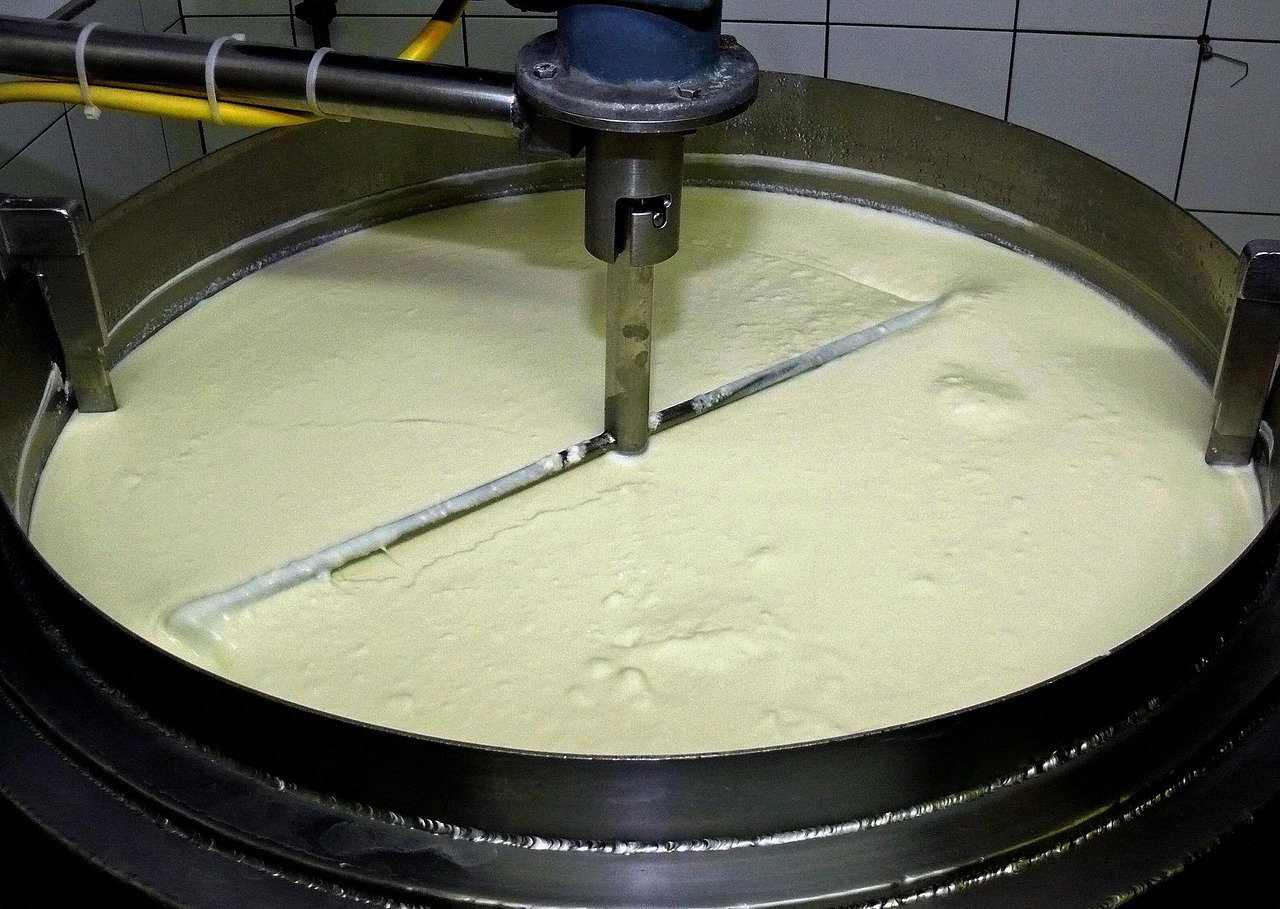
Raw milk prices in Kenya often fluctuate, leaving dairy farmers and vendors struggling to make consistent margins. But what if you could take a single litre of fresh milk bought at Ksh 50 and turn it into products worth Ksh 220 or more?
This is the power of dairy value addition. Starting a small, home-based yoghurt business in Kenya is one of the most accessible and profitable micro-ventures you can launch today.
This comprehensive, step-by-step guide covers everything from the physical production process to local packaging secrets, Kenyan flavor trends, and a start-up profit calculator.
1. Why Yoghurt? The Health and Probiotic Advantage
Kenyans are becoming increasingly health-conscious. Yoghurt is no longer seen as just a sweet treat for children; it is a nutritional staple.
- Lactose-Friendly: The fermentation process breaks down lactose into lactic acid, making yoghurt easily digestible for lactose-intolerant individuals.
- Rich in Nutrients: It is a powerhouse of calcium, protein, potassium, and B vitamins.
- The Power of Probiotics: Standard yoghurt is healthy, but probiotic yoghurt uses specific live bacteria cultures (like Lactobacillus acidophilus or Bifidobacterium) that survive gut transit. Probiotics active support digestive wellness, boost immunity, and maintain a healthy gut biome.
Value-Addition Tip: Marketing your product specifically as "Probiotic-Rich" allows you to target health-conscious customers in estate gyms, wellness groups, and offices, allowing you to command a premium price.
2. What Do You Need to Start? (The Budget Kitchen Kit)
You do not need million-shilling dairy pasteurizers to start from your kitchen. For a home-based beginner, these basic tools are enough to get going:
- Stainless Steel Sufuria: Always use stainless steel. Avoid aluminum, as the lactic acid in yoghurt can react with it.
- Food-Grade Digital Thermometer: Accurate temperature control is the difference between thick, creamy yoghurt and watery, spoiled milk.
- Milk Sieve (Kichungi): For straining raw milk.
- Large Whisk or Mwiko: For stirring.
- Clean Cooler Box or Heavy Blankets: To maintain a warm environment for the milk during incubation.
- Digital Kitchen Scale: For measuring sugar and ingredients.
3. Step-by-Step Yoghurt Making Process
Making great yoghurt is a science. Follow these six steps carefully to get a consistent, high-quality batch every time.
1.Source and Sieve:
Step 1.Buy fresh, whole, unadulterated milk directly from a trusted local farm or cooperative. Run it through your milk sieve to remove physical dirt and hair.
2.Pasteurization (Heating):
Step 2.Heat the milk in your stainless steel sufuria to 85°C (185°F). Hold it at this temperature for 15 to 30 minutes, stirring constantly. This kills harmful wild bacteria and prepares the proteins to make a thicker yoghurt.
3.Cooling Down:
Step 3.Place your sufuria into a sink filled with cold water to cool the milk rapidly. Bring the temperature down to exactly 42°C – 45°C (107°F – 113°F).(Crucial: Too hot, and you will kill your culture. Too cold, and the bacteria will not activate.)
4.Inoculation (Adding Culture):
Step 4.Add your starter culture. You can buy commercial freeze-dried yoghurt cultures from dairy supply shops in Nairobi, Nakuru, or Eldoret. Alternatively, whisk in 3 tablespoons of active, plain unsweetened probiotic yoghurt (e.g., Bio or Brookside Natural) per litre of milk.
5.Incubation (Fermentation):
Step 5.Cover your sufuria or pour the mix into clean glass jars. Place them inside a cooler box wrapped in heavy blankets to keep them warm. Let it sit undisturbed at 42°C for 8 to 12 hours. The longer it sits, the thicker and tangier it becomes.
6.Cooling, Flavouring, and Chilling:
Step 6.Move the set yoghurt into the fridge for at least 4 hours to stop fermentation. Once chilled, gently whisk in your cooled sugar syrup, food-grade flavorings, and colors. Pack your finished product into bottles.
4. How to Flavour and Popular Flavours in Kenya
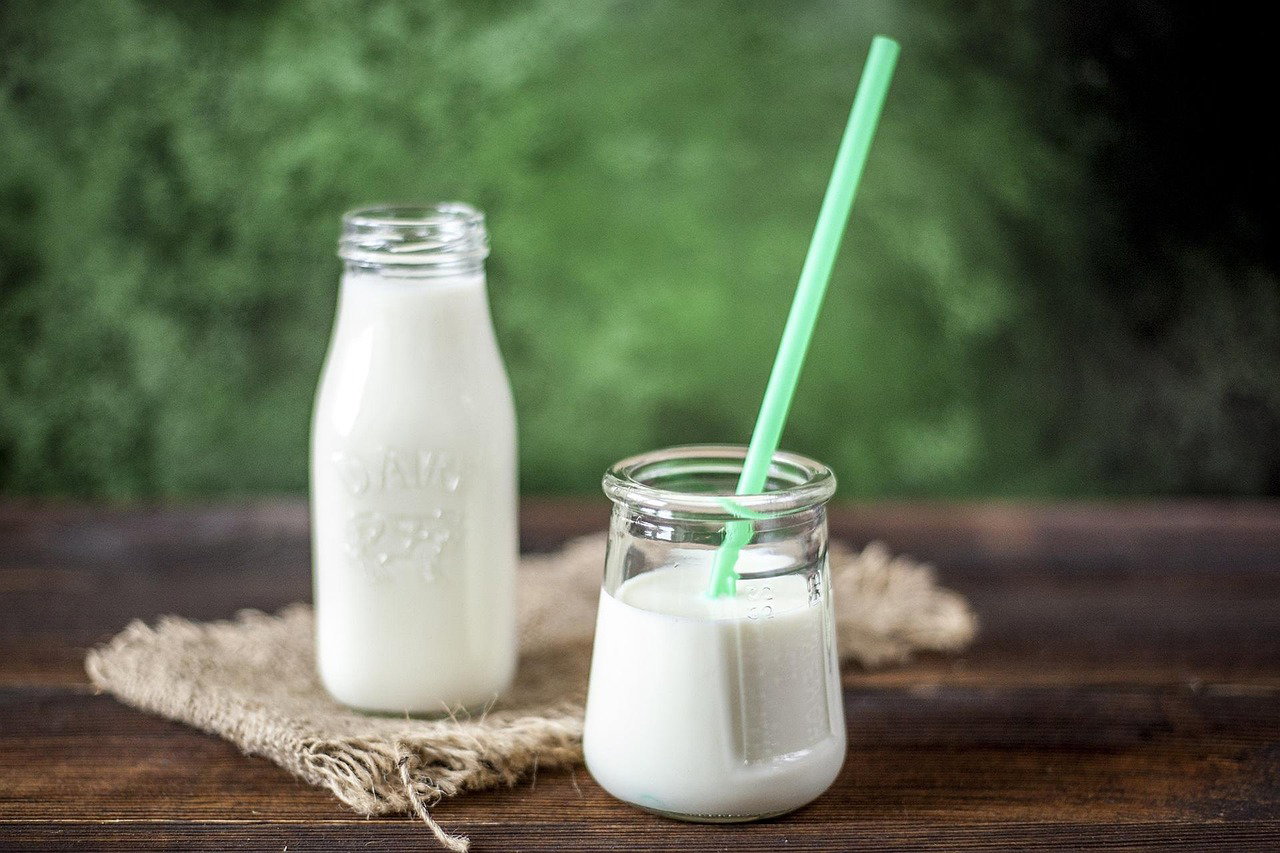
Kenyans love rich, sweet, and aromatic yoghurts. While natural/plain yoghurt is great for cooking and diet markets, flavored varieties will drive 90% of your sales.
- The Top Kenyan Flavours:
- Strawberry: The ultimate bestseller.
- Vanilla: Highly popular for kids and schools.
- Mango & Tropical Fruits: Popular in hot urban areas.
- The Flavoring Method: Buy high-quality food-grade liquid flavours and food colors (brands like Pradip are highly popular and widely available in local supermarkets or baking shops). Mix them into your cooled, set yoghurt along with your sugar syrup.
5. Packaging and Pricing for the Ksh 50 - 100 Budget
For a small home-based startup, targeting the Ksh 50 to Ksh 100 price bracket is the absolute sweet spot. This fits easily into daily budgets for family snacks, estate school runs, and impulse buys.
| Pack Size | Recommended Packaging Type | Retail Price (Ksh) | Primary Target Market |
| 150ml – 200ml Cups | Plastic cups with foil-press heat seal lids | Ksh 50 | Young school children, estate kiosks |
| 250ml Bottles | Plain or custom-branded PET bottles | Ksh 60 – 70 | Commuters, fitness enthusiasts, college students |
| 350ml – 500ml Bottles | Custom-branded PET bottles | Ksh 90 – 100 | Families, office lunches, residential estate deliveries |
Sourcing Secrets: Never buy your packaging from normal supermarkets or retail shops. Go to wholesale plastic areas in Kamukunji, Industrial Area (e.g., Thermopak or TechPack), or shops along Kirinyaga Road in Nairobi to buy bottles and cups in bulk to keep packaging costs under Ksh 12 per unit.
6. Input and Profit Margin Calculator
Calculate your potential daily and monthly profits using the calculator below. You can adjust the raw milk cost, ingredient expenses, and packaging to find your perfect selling price.
7. Simple Marketing Strategies for Beginners
You don't need a massive advertising budget to start selling. Use these zero-cost local marketing strategies:
- The Free-Sample Power Play: Give away small 50ml sample cups to parents in your residential estate, local churches, or estate playgrounds. Once children taste your sweet strawberry yoghurt, they will beg their parents to buy it.
- Leverage Estate WhatsApp Groups: Almost every apartment block, gated community, or estate in Kenya has a WhatsApp group. Post clean, appealing photos of your freshly packed yoghurt on Friday evenings when families are stocking up for the weekend.
- Partner with Local "Mama Mbogas": Offer local fruit and veg vendors or kiosks a wholesale price (e.g., sell to them at Ksh 55, they retail at Ksh 70). Since they already have steady daily traffic, they are fantastic distribution hubs.
8. Navigating KEBS and Business Licensing
When starting at home, you can easily sell to close friends, estate neighbors, and colleagues informally. However, if you want to grow and sell in supermarkets, hospitals, and major retail shops, you need to be compliant:
- County Food Handler's Certificate: This costs roughly Ksh 1,000 to Ksh 2,000 annually and requires a quick medical check to ensure you can handle food safely.
- KEBS Standardization Mark (S-Mark): For micro and small enterprises, the Kenya Bureau of Standards (KEBS) offers subsidized certification rates (often around Ksh 10,000 to Ksh 20,000 depending on your business size).
Final Thoughts
Yoghurt making is an incredibly rewarding business with high margins and steady, year-round demand in Kenya. Start small, even with just 5 or 10 litres of milk a day in your home kitchen, focus entirely on hygiene and rich taste, and you will build a loyal customer base in no time!