How to Start and Make Profit Selling Day-Old Chicks in Kenya
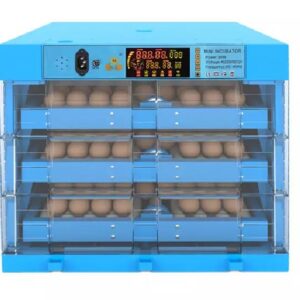
Poultry farming is one of the fastest-growing agribusiness sectors in Kenya. Every day, thousands of farmers buy chicks to start or expand their flocks. This creates a strong opportunity for entrepreneurs to run a small hatchery business using an egg incubator and sell chicks at different growth stages.
With a 204-egg incubator costing about KSh 20,000–30,000, you can hatch hundreds of chicks every month and sell them as day-old chicks, one-week chicks, or two-week chicks, each with increasing value. This article explains:
- How the chick hatching business works
- Equipment required
- Step-by-step incubation process
- Startup budget
- Profit projections
- Practical tips for beginners in Kenya
Why Chick Hatching Is a Profitable Business in Kenya
Many small poultry farmers prefer buying chicks rather than incubating eggs themselves. Reasons include:
- Lack of incubators
- Lack of technical knowledge
- Desire for quick flock expansion
- Demand for improved breeds
Because of this demand, hatcheries can sell chicks at different stages:
Typical selling prices in local markets:
| Chick Age | Selling Price |
|---|---|
| Day-old chick | KSh 100 |
| 1-week chick | KSh 150 |
| 2-week chick | KSh 200 |
The longer you rear the chick, the higher the selling price.
The Two Main Ways to Get Fertile Eggs
A hatchery business needs fertile eggs, meaning eggs produced by hens that have been fertilized by a rooster.
1. Keeping Your Own Layers and Cocks
This method involves rearing:
- Good laying hens
- Healthy breeding cocks
Advantages:
- Lower egg cost
- Reliable supply
- Control of breed quality
Disadvantages:
- Requires space and feed
- Higher startup investment
2. Buying Fertile Eggs from Farmers
Many hatcheries start by buying fertilized eggs from poultry farmers.
Typical price:
- Around KSh 20 per egg
Advantages:
- Low startup capital
- No need to rear breeding stock
Disadvantages:
- Egg quality may vary
- Fertility may be lower
Many beginners start this way before investing in their own breeder flock.
Equipment Needed for a Small Hatchery
1. Egg Incubator
The incubator is the most important machine.
A 204-egg incubator is ideal for beginners.
Typical features include:
- Automatic egg turning
- Temperature control
- Humidity control
- Built-in candling light
- Air circulation fan
Modern incubators automate most of the work, making them suitable for beginners. Typical cost in Kenya:
- KSh 20,000 – KSh 30,000
2. Brooder for Chicks
After hatching, chicks must stay in a warm environment.
A simple brooder may include:
- Heat source (bulb or gas brooder)
- Chick feeder
- Chick drinker
- Wood shavings or sawdust bedding
3. Egg Candler
Used to check whether eggs are fertile during incubation.
You can use:
- A small flashlight
- A dedicated candling lamp
4. Other Small Items
- Egg trays
- Thermometer
- Hygrometer
- Disinfectant
- Plastic chick boxes for transport
Step-by-Step Incubation Process
Chicken eggs take 21 days to hatch under controlled temperature and humidity. Below is the standard process.
Step 1: Select Quality Eggs
Good hatching eggs should be:
- Fertile
- Clean
- Medium-sized
- Without cracks
- Less than 7 days old
Old eggs have lower hatch rates.
Step 2: Prepare the Incubator
Before placing eggs:
- Clean the incubator
- Run it empty for 6–12 hours
- Stabilize temperature and humidity
Ideal settings:
- Temperature: 37.5°C
- Humidity: 50–55%
Step 3: Place Eggs in the Incubator
Place eggs:
- Pointed end down
- Spaced evenly on trays
Most incubators turn eggs automatically every few hours.
Egg turning prevents embryos from sticking to the shell.
Step 4: Candle the Eggs (Day 7 and Day 14)
Candling checks embryo development.
Remove eggs that:
- Show no veins
- Are infertile
- Are rotten
This improves hatch success.
Step 5: Stop Turning Eggs on Day 18
This stage is called lockdown.
Actions:
- Stop turning eggs
- Increase humidity to 65–70%
This helps chicks break the shell easily.
Step 6: Hatching (Day 20–21)
Chicks begin to hatch around day 21.After hatching:
- Leave chicks in incubator until dry
- Move them to a brooder
Step 7: Brooding and Selling Chicks
You now have several selling options.
Option 1 — Sell immediately
Day-old chick: KSh 100Option 2 — Brood for 1 week
Price: KSh 150Option 3 — Brood for 2 weeks
Price: KSh 200
Keeping chicks longer increases value but requires feed and care.
Sample Budget for Starting a 204-Egg Hatchery
Estimated startup costs:
| Item | Estimated Cost |
|---|---|
| 204-egg incubator | 20,000 |
| Brooder setup | 5,000 |
| Feeders & drinkers | 2,000 |
| Thermometer & hygrometer | 1,000 |
| Disinfectants & trays | 1,000 |
| 204 fertile eggs (KSh 20 each) | 4,080 |
Total startup estimate:
KSh 33,000 – KSh 35,000
Hatch Rate and Chick Output
Not all eggs hatch.
Typical hatch rate:
- 70% – 85%
Example:204 eggs × 80% hatch rate
= 163 chicks
Profit Example Per Hatch
Cost of eggs:204 × 20
= KSh 4,080
Assume:163 chicks hatch
If sold as day-old chicks:163 × 100
= KSh 16,300
Profit estimate:16,300 − 4,080
= KSh 12,220 per cycle
Since incubation takes 21 days, a small hatchery can run about 1–2 cycles per month.
Monthly potential profit:
KSh 12,000 – KSh 24,000
Selling 1-week or 2-week chicks can increase profits further.
Major Factors That Determine Profit
Egg Fertility
Higher fertility = more chicks.
Incubation Management
Temperature and humidity must remain stable.
Breed Quality
Farmers prefer improved breeds like:
- Kienyeji improved
- Kuroiler
- Kenbro
- Rainbow rooster crosses
Market Access
Build relationships with:
- Small poultry farmers
- Agrovet shops
- Farmer groups
Common Mistakes Beginners Should Avoid
- Using old eggs
- Poor temperature control
- Opening incubator too often
- Mixing eggs of different ages
- Poor hygiene
These mistakes can reduce hatch rates drastically.
How to Scale the Hatchery Business
Once demand grows, you can expand by:
- Buying a 528-egg incubator
- Running multiple incubators
- Producing your own fertile eggs
- Supplying agrovet shops
- Selling vaccinated chicks
Large hatcheries run thousands of eggs every month.
Final Thoughts
Starting a chick hatching business using a small incubator is one of the most accessible agribusiness opportunities in Kenya. With a modest investment of about KSh 30,000, a beginner can start producing and selling chicks within three weeks.
Because poultry farming continues to grow across the country, the demand for quality chicks remains strong. With proper incubation management, good hygiene, and reliable egg supply, a small hatchery can become a profitable and scalable enterprise.