Improved Kienyeji Chicken Breeds in Kenya: Complete Farmer’s Guide
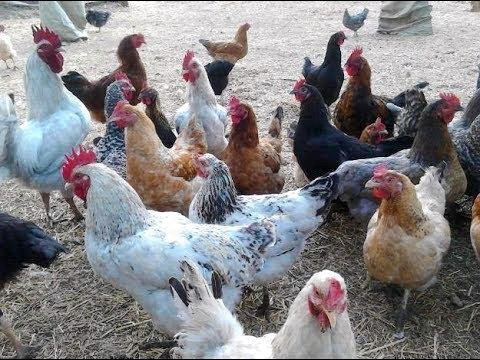
Improved kienyeji chickens are hybrid birds developed by crossing indigenous chickens with selected exotic breeds to combine hardiness + higher productivity. They are now the backbone of small and medium scale poultry farming in Kenya because they offer a balance between low management costs and good returns.
Unlike traditional kienyeji, improved breeds:
- Grow faster
- Lay more eggs
- Convert feed better
- Still survive under semi-free-range systems
1. Common Improved Kienyeji Breeds in Kenya
The most popular improved kienyeji breeds include:
1. KALRO / KARI Improved Kienyeji
2. Kuroiler
3. Rainbow Rooster
4. Kenbro (Kenbrown)
5. Sasso (less common but growing fast)
These are widely available through hatcheries and farmer networks across Kenya.
2. Characteristics of Each Breed
(A) KALRO Improved Kienyeji
Overview: Locally developed breed optimized for Kenyan conditions.
Key Characteristics:
- Dual-purpose (meat + eggs)
- Maturity: ~4.5–6 months
- Egg production: 220–280 eggs/year
- Strong disease resistance
- Good adaptation to free-range systems
Feeding:
- Approx. 100–140g per bird/day
- Can survive partly on scavenging
Pros:
- Very high egg production
- Hardy and low mortality
- Suitable for rural farmers
Cons:
- Slightly slower growth than broilers
- Requires balanced feeding for best results
(B) Kuroiler
Overview: Indian-developed hybrid popular across East Africa.
Key Characteristics:
- Maturity: ~5 months
- Egg production: 150–200 eggs/year
- Large body size (good for meat)
- Good scavenging ability
Feeding:
- Medium feeders (approx. 110–120g/day)
- Requires quality feed for maximum performance
Pros:
- Fast growth (good meat returns)
- Performs well in semi-free-range
- High market demand
Cons:
- Lower disease resistance than local breeds
- Needs better management
(C) Rainbow Rooster
Overview: A fast-growing hybrid known for strong performance.
Key Characteristics:
- Maturity: ~4–5 months
- Egg production: 200–220 eggs/year
- Fast weight gain (can reach market weight quickly)
Feeding:
- Medium feeding (approx. 110g/day)
Pros:
- Very fast growth (ideal for meat business)
- Good egg production
- Strong adaptability
Cons:
- Lower disease resistance than indigenous birds
- Limited brooding (poor natural incubation)
(D) Kenbro (Kenbrown)
Overview: Commercial hybrid with high productivity.
Key Characteristics:
- Maturity: 4–5 months
- Egg production: 180–220 eggs/year
- Large body size
Feeding:
- Heavy feeders (approx. 120–130g/day)
Pros:
- High egg output
- Big body weight (good meat yield)
Cons:
- High feeding cost
- Low disease resistance
- Requires better housing and management
(E) Sasso
Overview: Premium meat breed gaining popularity in Kenya.
Key Characteristics:
- Maturity: ~6 months
- Weight: up to 4–5 kg
- Moderate egg production
Feeding:
- Heavy feeders (similar to Kenbro)
Pros:
- Excellent meat quality (high market price)
- Large body size
Cons:
- High feeding cost
- Not ideal for egg-focused farmers
3. Comparison Summary
| Breed | Maturity | Eggs/Year | Feeding Level | Best Use |
|---|---|---|---|---|
| KALRO Improved | 4.5–6 months | 220–280 | Medium | Eggs + meat |
| Kuroiler | ~5 months | 150–200 | Medium | Meat + eggs |
| Rainbow Rooster | 4–5 months | 200–220 | Medium | Fast meat + eggs |
| Kenbro | 4–5 months | 180–220 | High | Commercial production |
| Sasso | ~6 months | 200–240 | High | Premium meat |
4. Do They Have Different Feeding Quantities?
Yes — feeding varies depending on the breed:
- Light/Moderate feeders: KALRO, Kuroiler, Rainbow
- Heavy feeders: Kenbro, Sasso
Typical daily intake:
- Chick stage: 20–50g
- Grower stage: 60–100g
- Adult stage: 100–140g per bird/day
👉 Important insight:
Improved kienyeji can reduce feed costs through scavenging, unlike broilers which rely 100% on commercial feed.
5. Maturity Time Differences
- Fastest: Rainbow Rooster (4 months)
- Moderate: Kuroiler, Kenbro (4–5 months)
- Slower but productive: KALRO, Sasso (5–6 months)
Improved breeds generally start laying at 22–26 weeks (5–6 months)
6. Key Advantages of Improved Kienyeji
- Higher egg production (up to 3x indigenous)
- Faster growth rates
- Better feed conversion
- Strong adaptability to local conditions
- Can be raised under low-cost systems
7. Challenges / Limitations
- Some breeds have lower disease resistance
- Require vaccination and management
- Higher-performing breeds need better feeding
- Poor brooding ability (need incubators or surrogate hens)
8. Practical Farmer Tips & Insights
1. Choose Based on Your Goal
- Eggs → KALRO Improved
- Meat → Sasso / Rainbow
- Balance → Kuroiler
2. Mix Breeds Strategically
Many farmers keep:
- 70% improved kienyeji
- 30% indigenous (for brooding and resilience)
3. Reduce Feed Costs
- Use kitchen waste, greens, insects
- Supplement with formulated feeds (60–70%)
4. Vaccination is Non-Negotiable
Improved breeds are productive but less tolerant of disease compared to pure kienyeji.
5. Market Advantage
Improved kienyeji meat still fetches higher prices than broilers due to taste and texture.
9. Final Verdict: Which Breed is Best?
There is no one-size-fits-all:
- Best overall: KALRO Improved Kienyeji
- Best for fast income: Rainbow Rooster
- Best for meat business: Sasso
- Best balance: Kuroiler
👉 The most profitable approach is not choosing one breed — but matching the breed to your market and feeding capacity.