Improvised Seed Trays in Kenya: Low-Cost Options & How to Prepare Them for a Seedling Business
Introduction
One of the biggest barriers for beginners in seedling propagation is the cost of commercial trays. While professional trays are efficient, they are not a must-have when starting small.
The truth is:
👉 You can build a successful seedling business using locally available, improvised materials, especially in rural Kenya.
This guide shows you:
- The best improvised seed tray options
- How to prepare them properly
- How to run them like a professional nursery
Why Seed Trays Matter (Even Improvised Ones)
Seed trays, whether professional or improvised, help:
- Control germination conditions
- Reduce seed wastage
- Produce uniform seedlings
- Prevent root damage during transplanting
Modern trays use individual cells to allow one seed per space, improving growth and reducing competition 👉 Your improvised tray should aim to achieve the same function.
🧺 Best Improvised Seed Tray Options in Kenya
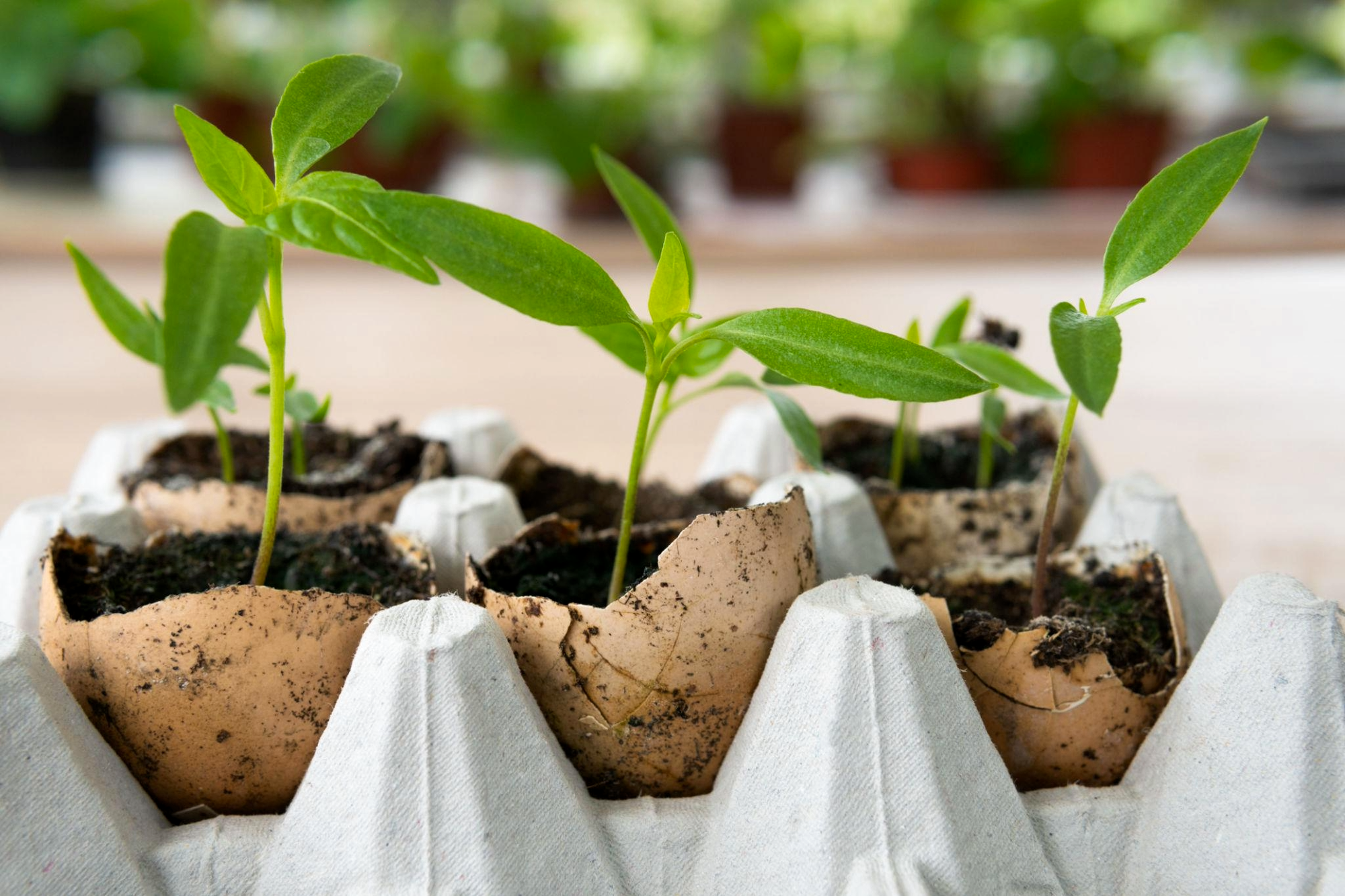
1. Egg Cartons (Paper or Plastic)
Why it works:
- Already divided into small cells
- Cheap or free
- Ideal for sukuma, spinach, managu
How to prepare:
- Punch drainage holes at the bottom
- Fill with fine soil or compost
- Plant 1–2 seeds per cell
👉 Cardboard cartons can be planted directly into soil, reducing transplant shock
2. Plastic Containers (Yoghurt Cups, Tins, Bottles)
Examples:
- Milk packets
- Yoghurt containers
- Cooking oil bottles
- Tin cans
How to prepare:
- Cut to size
- Add drainage holes
- Fill with soil mix
👉 Best for:
- Tomatoes
- Capsicum
- Cabbage
3. Wooden Boxes or Old Crates
Why it works:
- Can hold many seedlings
- Strong and reusable
How to prepare:
- Line with polythene or sack
- Add drainage holes
- Fill with fine soil
👉 Good for bulk production before transplanting.
4. Polythene Bags / Small Nursery Bags
Why it works:
- Easily available
- Portable
- Good root development
How to prepare:
- Punch holes at the bottom
- Fill with soil + manure
- Plant 1 seed per bag
👉 Common in tree nurseries and works well for vegetables too.
5. Soil Beds (Traditional but Improved)
Why it works:
- Zero container cost
- Suitable for rural setups
How to improve it:
- Raise the bed (for drainage)
- Add fine soil + compost
- Cover with shade
⚠️ Note: Traditional soil beds can lead to:
- Uneven germination
- Diseases
- Root damage during transplanting
👉 Improve them by spacing seedlings properly.
🛠️ How to Curate (Prepare) Improvised Seed Trays Properly
This is where most beginners fail.
1. Ensure Proper Drainage
- Always make holes at the bottom
- Prevent waterlogging (kills seedlings)
2. Use the Right Soil Mix
Ideal mix:
- Topsoil (fine)
- Compost or manure
- Sand (for drainage)
👉 Modern nurseries use media like cocopeat for better aeration and moisture balance
3. Maintain Uniform Spacing
- One seed per hole/container
- Avoid overcrowding
👉 This mimics professional trays where each plant has its own cell.
4. Provide Shade
Use:
- Grass
- Old net
- Banana leaves
👉 Protects seedlings from:
- Excess heat
- Heavy rain
5. Water Correctly
- Light watering (morning & evening)
- Avoid flooding
6. Label Your Seedlings (Optional but Smart)
- Helps when growing multiple crops
- Builds professionalism
💡 Best Improvised Setup for a Ksh 5,000 Starter
👉 Combine these:
- Egg trays (small crops)
- Plastic containers (high-value crops)
- Small seedbed (bulk production)
This hybrid system gives:
- Flexibility
- Low cost
- Scalability
💰 Profit Tip: Turn Improvised into Professional
Start with improvised trays, then:
- Reinvest profits into real trays
- Improve uniformity
- Increase production
Professional trays:
- Reduce transplant shock
- Improve germination
- Increase profits long-term
⚠️ Common Mistakes to Avoid
- No drainage holes
- Using heavy/clay soil
- Overwatering
- Planting too many seeds in one spot
- No shade
✅ Final Verdict
Improvised seed trays are:✔ Cheap
✔ Accessible
✔ Perfect for beginners
✔ Ideal for rural Kenya👉 With proper preparation, they can produce high-quality seedlings that sell just like those from commercial nurseries
🔥 Smart Insight
Don’t wait for perfect equipment.
Start with:
- What you have
- Where you are
👉 Many successful nursery businesses in Kenya began with recycled containers and backyard setups