Investing in a Coriander (Dhania) Growing & Selling Business in Kenya
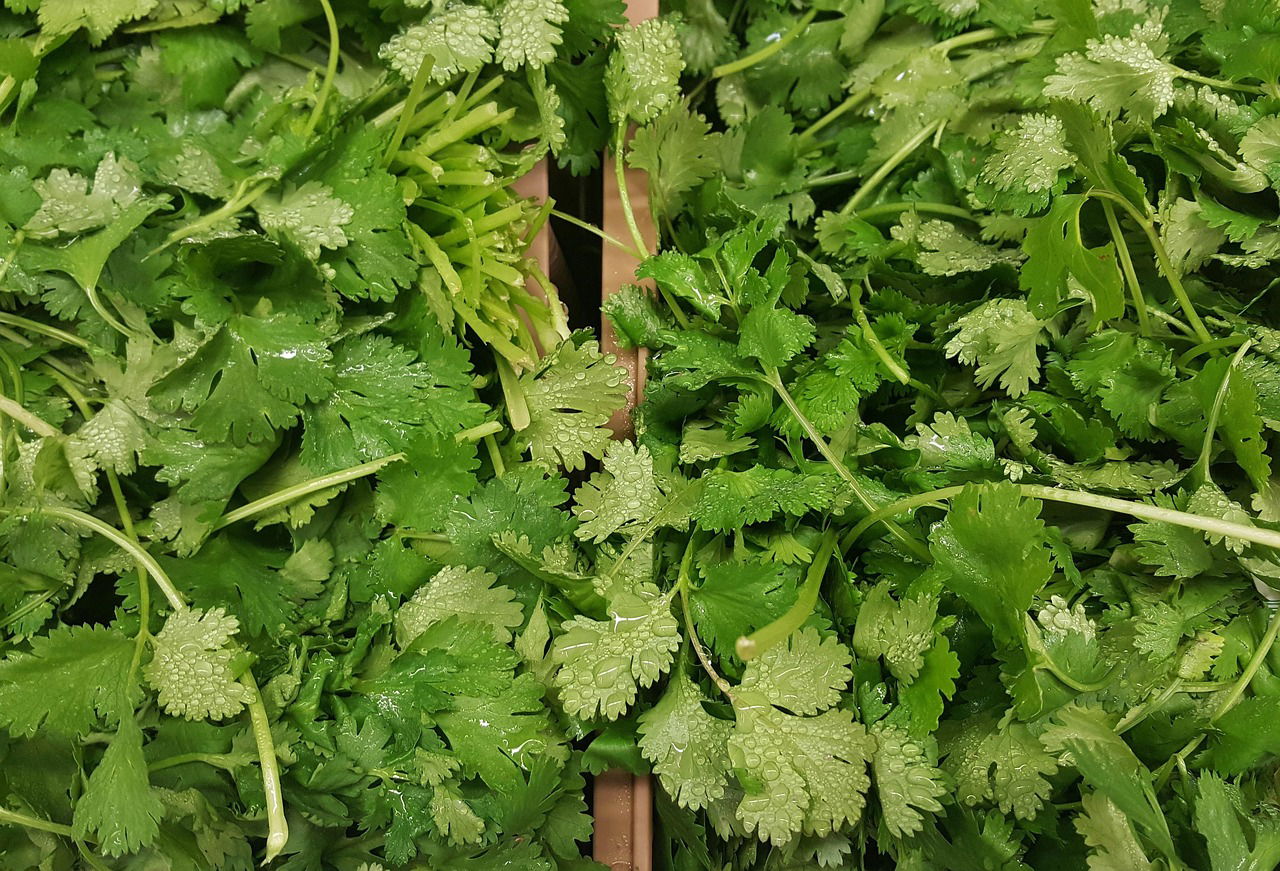
🌱 1. Why It Makes Business Sense
- High daily demand: every food stall, mama mboga, and hotel uses dhania daily.
- Short growing period: 30–45 days from sowing to harvest.
- Can be grown year-round with irrigation or mulching.
- Fast cash flow: can plant, harvest, and replant every 6–8 weeks.
- Low input, high turnover: especially profitable on small plots with good management.
📏 2. Land Use Planning
Plot size
50 ft × 100 ft = 5,000 square feet ≈ 465 square meters (0.0465 ha)
We need to allocate:
- ~10 ft for paths, shed, and washing/packing space
- ~5 ft border for fencing or drainage
That leaves ~4,300–4,400 sq. ft. of usable bed area.
Bed layout
Standard bed width: 3.5 ft (average of 3–4 ft)
Path width between beds: 1 ftSo each bed + path = 4.5 ft total widthAvailable plot length = 100 ft
Available width for beds = 50 ft👉 Number of beds = 50 ÷ 4.5 ≈ 11 beds
Each bed length = 100 ftSo you can fit ~10–11 full beds (100 ft long).
Total bed area:
- 11 beds × 100 ft × 3.5 ft = 3,850 sq. ft. of cropped area
- This equals ≈358 square meters of coriander.
That’s a very good density for a small-scale herb enterprise.
🌾 3. Seed & Inputs Estimation
Coriander seed rate
Coriander seeds are small and split easily (each “seed” has 2 kernels).Seed rate:
- 8–12 kg/acre (for broadcast system)
- ≈ 2.5–3 kg per 1/8 acre
👉 For your plot (50×100 ft), you need ~2.5 kg of seed.
Seed price (as of current Kenya market)
- Retail price (Agrovets): KSh 300–500 per 250 g pack
- Therefore, 1 kg = KSh 1,200–2,000, depending on brand.
- 2.5 kg = KSh 3,000–5,000 total seed cost per planting.
💧 4. Input Requirements (per planting cycle)
| Input | Qty / Description | Cost (KSh) |
|---|---|---|
| Coriander seeds | 2.5 kg | 4,000 |
| Compost/manure | 10–15 wheelbarrows | 1,500 |
| DAP fertilizer (optional) | 2 kg | 600 |
| Watering cans / drip setup (basic) | 2 cans or simple lines | 1,000 |
| Labour (bed prep, weeding, harvesting) | 2,000 | |
| Packaging (small bunch strings, sacks) | 500 | |
| Misc. (transport to market, re-seeding losses) | 1,000 | |
| Total Inputs per cycle | ~10,500 KSh |
📆 5. Growing Process (Step-by-Step)
Step 1: Bed preparation
- Loosen topsoil 6–8 inches deep; remove clods.
- Mix in well-rotted manure or compost (not fresh).
- Rake fine and level.
Step 2: Planting
- Coriander can be direct-seeded (best).
- Split seeds gently before sowing for better germination.
- Sowing method:
- Broadcast thinly or drill shallow furrows (~1 cm deep, 6–8 inches apart).
- Cover lightly with soil; water gently.
- Spacing: broadcast or 15 × 10 cm if drilling.
Step 3: Watering
- Keep moist (not waterlogged).
- Water daily for the first 7–10 days, then every 2–3 days.
Step 4: Thinning & weeding
- Thin dense spots to avoid overcrowding after 10–14 days.
- Weed manually; coriander dislikes competition.
Step 5: Top dressing
- Optionally apply a light CAN or compost tea dressing at 3 weeks.
Step 6: Harvesting
- First harvest: 30–35 days after planting (leaf stage).
- Cut carefully above crown to allow regrowth.
- Second harvest: after another 15 days (optional).
- Pack in bunches tied with sisal or rubber band.
🌿 6. Yield & Revenue Projection
| Parameter | Estimate |
|---|---|
| Coriander yield (fresh leaves) | 2–3 tons/acre |
| On 1/8 acre (your plot) | ≈ 250–350 kg fresh dhania |
| Average market price (wholesale) | KSh 120–150 per kg |
| Retail equivalent (bundles @ KSh 20) | 1 kg = ~8–10 bundles |
| Revenue (per harvest) | 300 kg × KSh 130 = KSh 39,000 |
| Production cost | ~KSh 10,500 |
| Gross Profit (1st harvest) | KSh 28,000+ |
| If 2 harvests per planting | ≈ KSh 50,000–60,000 gross profit per cycle |
Cycles per year:
- 6–7 short cycles possible (every ~45 days).
- Annual potential: KSh 300,000–350,000 net from one 1/8-acre plot with consistent production and market.
🏪 7. Market Opportunities
- Local fresh produce markets (retailers, mama mboga, hotels).
- Supermarkets / groceries (when packaged attractively).
- Roadside and estate sellers.
- Direct restaurant supply: hotels prefer consistent, clean coriander.
💡 Tip: wash lightly, drain, and pack fresh morning harvest in moist gunny bags or perforated crates to preserve freshness.
⚠️ 8. Risks & Mitigation
| Risk | Solution |
|---|---|
| Drought / inconsistent water | Use mulching, drip or watering cans |
| Pests (aphids, leaf spot) | Neem spray, avoid overwatering |
| Bolting (early flowering) | Avoid heat stress, water consistently |
| Market glut | Dry some leaves or make coriander paste |
| Spoilage | Harvest early morning, pack cool, deliver same day |
📈 9. Expansion & Value Addition
- Sell dried coriander powder.
- Supply seedlings to neighbors.
- Blend coriander paste for ready-to-cook spices.
- Package branded “Fresh Dhania – 100% Kenyan” bundles for estates.
💰 10. Summary Snapshot
| Category | Estimate |
|---|---|
| Plot size | 50 × 100 ft (~1/8 acre) |
| Beds | 10–11 beds (100 ft long) |
| Seeds required | ~2.5 kg |
| Seed cost | ~KSh 4,000 |
| Total input cost | ~KSh 10,500 |
| Revenue (per harvest) | ~KSh 39,000 |
| Profit per cycle | ~KSh 28,000 |
| Cycle length | 35–45 days |
| Annual potential | KSh 300,000–350,000 |
| Main buyers | Retail markets, hotels, mama mbogas |
✅ Conclusion
Yes — growing coriander on a 50×100 ft plot is a very viable micro-farming venture in Kenya.
It fits both rural and peri-urban settings, requires low capital (~KSh 10k per cycle), and offers quick returns every 6 weeks.