Is M-Pesa Agency a Viable Business in Kenya?
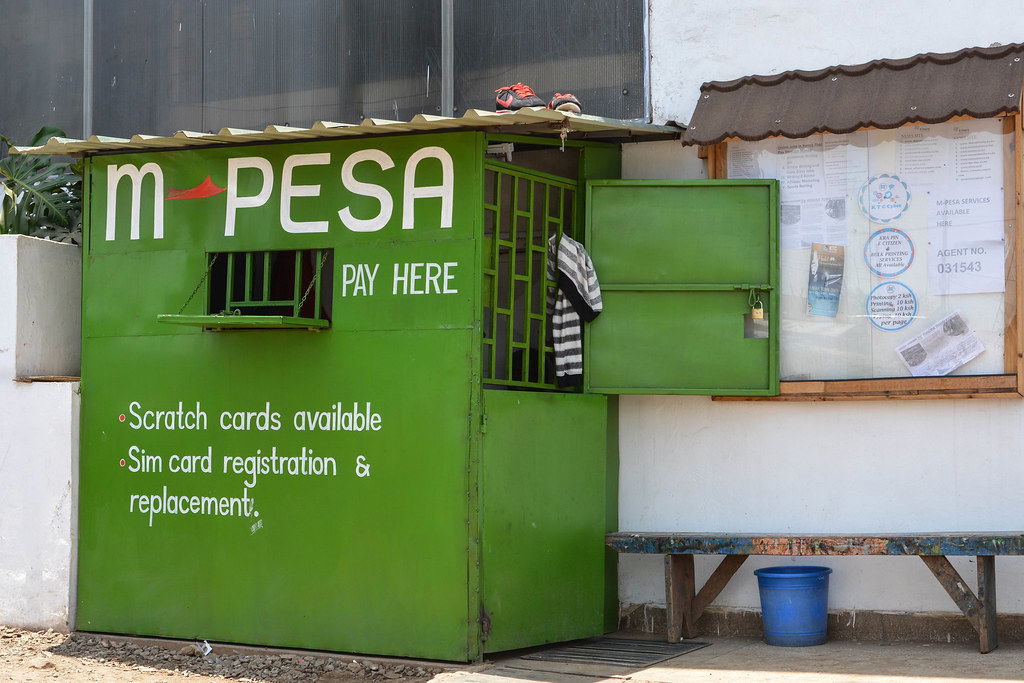
Mobile money is a backbone of Kenya’s digital economy, and M-Pesa remains the most dominant and trusted service. Running an M-Pesa agency is a popular small business because it provides essential financial services to the community and can generate steady income with the right planning. This guide explains what an M-Pesa agency business is, how it works, what you need to start, where to set it up, how to operate it profitably, budget expectations, and expert tips for success.
What Is an M-Pesa Agency?
An M-Pesa agency is a retail outlet where customers can:
- Deposit money into their M-Pesa accounts
- Withdraw cash
- Transfer money
- Pay bills and buy airtime
You act as a cash-in/cash-out service point—the physical place where customers access mobile money services. The service is provided through a contracted agent with Safaricom, and you either become an officially licensed agent yourself or operate under an existing agent as a subcontractor.
How an M-Pesa Agency Works
- A customer walks in with cash.
- They request a service (deposit, withdrawal, transfer, bill pay).
- You process the transaction on your M-Pesa till or device.
- Safaricom settles your commission based on the volume of transactions.
- You earn a percentage of each transaction.
Agencies are essential in both urban and rural Kenya, especially in areas where banks are far or where people prefer in-person transactions.
Is M-Pesa Agency a Viable Business in Kenya?
Yes — very viable — when done right. Kenya has:
- A huge mobile money user base
- Millions of daily transactions
- Strong trust in cash agents
- Demand in both rural and urban areas
Benefits of the M-Pesa agency business:
- Low technical skills required
- Fast customer traffic in the right locations
- Recurring income from everyday transactions
- Can be combined with other services (airtime, bill pay, banking services)
However, success depends on location, liquidity, service reliability, customer trust, and operational discipline.
What You Need to Start an M-Pesa Agency
1. Legal & Business Requirements
- Be at least 18 years old
- Valid National ID / KRA PIN
- A physical business location
- Business Registration (optional at early stages but recommended)
- Bank account (useful for float management)
2. Which Option Should You Choose?
There are two main ways to operate:
A) Become a Licensed M-Pesa Agent (Direct)
- You register with Safaricom directly
- You must meet Safaricom’s requirements
- You earn full commission from transactions
B) Subcontract Under a Licensed Agent (Indirect)
- You operate as a sub-agent
- You share commissions with the main agent
- Easier to start if you lack startup capital or don’t meet requirements immediately
Both models work — but becoming a direct agent usually yields higher long-term earnings.
What You Need (Detailed)
Physical Setup
- A secure kiosk / shop space
- Reliable electricity
- Internet connectivity (Safaricom data or Wi-Fi)
- Printer (optional, for receipts)
Tools & Equipment
- Smartphone or POS device
- Safaricom M-Pesa Agent SIM or Access
- Cash boxes / float
- Signage (Agency branding)
Float (Cash & Electronic Balance)
Float means the ready cash you hold for deposits and withdrawals. You need a healthy float:
- Enough cash for big withdrawals
- Enough electronic balance for deposits and transfers
Float management is one of the top skills for an M-Pesa agent.
Best Locations for an M-Pesa Agency in Kenya
Location determines your daily traffic and income.
🏙 Urban & High-Traffic Areas
- Markets
- Shopping centers
- Bus terminals
- Busy streets
- Near government offices and banks
🏘 Peri-Urban & Residential Estates
- Areas with limited bank access
- Near schools and businesses
🏡 Rural Areas
- Villages far from banking infrastructure
- Areas with businesses and farmers
- Trading centers
High foot traffic + limited alternatives = best case.
How an M-Pesa Agency Makes Money
Transaction Commissions
You earn commissions on:
- Customer deposits
- Withdrawals
- Pay bill transactions
- Buy airtime
- Other M-Pesa services
Commission rates vary depending on the service and transaction size. You don’t charge customers a direct fee for these services — commission is paid by Safaricom.
Tentative Startup Budget (For Beginners)
The capital needed depends on whether you are a direct agent or sub-agent and your location.
Estimated Costs
| Expense | Approx Range (KES) |
|---|---|
| Business Setup (Signs, branding) | 3,000–10,000 |
| Smartphone / POS device | 8,000–25,000 |
| Float (Cash & Electronic) | 30,000–100,000+ |
| Internet/Data | 1,500–5,000 monthly |
| Printer & Supplies (optional) | 5,000–10,000 |
| Agency application (if direct) | 0–varies |
Total Beginner Range: ~KES 50,000–150,000+
(Float constitutes the biggest portion.)
How to Run Your M-Pesa Agency Successfully
1. Keep Enough Float
Running out of cash or e-float stops service — and customers leave. Develop a float management plan:
- How much cash you need per day
- When to top up
- How to balance inflow vs outflow
2. Offer Excellent Service
- Greet customers warmly
- Explain transaction steps
- Be transparent about limits
- Handle cash securely
Good service builds trust — and loyal customers.
3. Maintain Security
- Keep your float in a safe place
- Use secure bags when handling cash
- Avoid counting money in public
4. Track Daily Transactions
Maintain a logbook or digital spreadsheet:
- Total deposits and withdrawals
- Commission earned
- Float balance
This helps you:
- Forecast needs
- Track growth
- Spot irregularities
5. Extend Services
Offer additional services such as:
- Airtime sales
- Paybill services
- Banking services (if possible)
Multiple service points increase your income.
6. Build Relationships
- With local customers
- With businesses nearby
- With suppliers (for float)
Word-of-mouth is a powerful tool in the delivery economy.
Tips and Insights to Make the Business Profitable
🎯 1. Stay Visible
Use bright signage and let people know you are operational.
📣 2. Educate Customers
Some customers hesitate — show them how M-Pesa works.
💳 3. Automate Reconciliation
Use digital logs or apps to reduce errors and disputes.
🔄 4. Plan for Weekends and Holidays
These are peak transaction times — make sure you have float.
📊 5. Focus on Repeat Customers
Your regular customers will bring stability to your daily income.
🧠 6. Train Staff (If You Have Assistants)
Good training keeps services seamless during busy hours.
Common Challenges and Solutions
| Challenge | Solution |
|---|---|
| Running out of float | Plan float top-ups ahead of time |
| Slow internet | Have backup data or Wi-Fi |
| Security risks | Use secure safe boxes and operate in open public spaces |
| Competition | Provide better service and convenience |
Final Thoughts
The M-Pesa agency business remains one of the most reliable small business models in Kenya, particularly for entrepreneurs who enjoy serving people and managing transactions. With the right location, solid float management, great customer service, and operational discipline, it can generate consistent daily income and long-term growth. If you’re organized, trustworthy, and customer-oriented, the M-Pesa agency business has real earning potential and remains highly viable in both urban and rural Kenya.