Is Rabbit Farming Profitable in Kenya? Best Breeds and Startup Guide
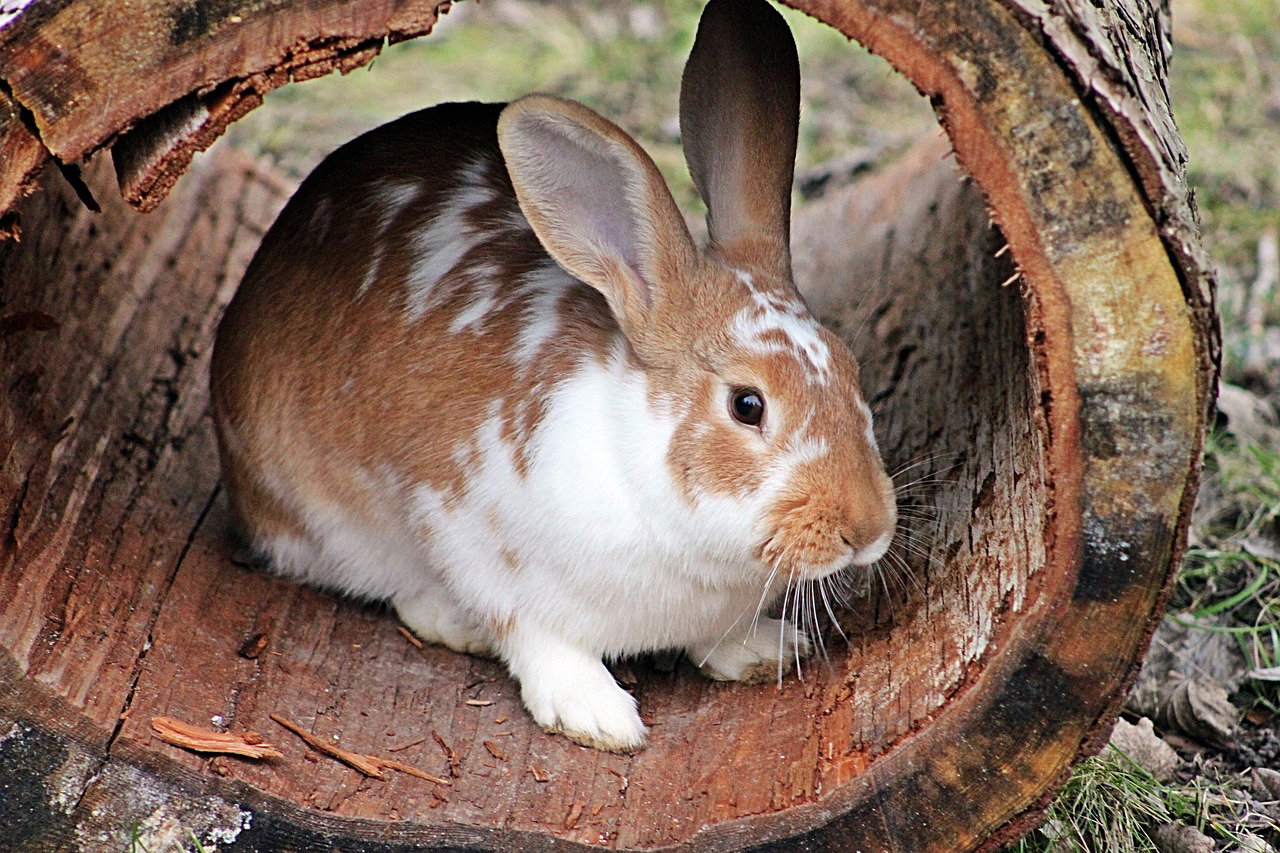
Rabbit farming (cuniculture) in Kenya has evolved from a backyard hobby into a highly profitable agribusiness. Across counties like Kiambu, Nakuru, and Uasin Gishu, smart entrepreneurs are swapping traditional livestock for rabbits.
If you are looking for a high-yield, low-capital agribusiness, commercial rabbit farming offers unmatched efficiency, quick maturation, and a rapidly expanding market.
The Business Case: Why Rabbits Beats Other Livestock
The financial and operational numbers behind rabbit farming are incredibly compelling:
- Rapid Reproduction: A single doe (female) produces 8 to 12 kits per litter every 35 days. Annually, one doe can yield 60 to 80 offspring.
- Fast Maturation: Kits reach a market weight of 3 to 4 kilograms in just 3.5 to 4 months.
- High Feed Efficiency: Rabbits require just 2.5 kg of feed for every 1 kg of weight gain. In comparison, cattle require 6 to 8 kg of feed for the same gain.
- Expanding Local Market: Health-conscious consumers are actively moving away from red meat. Low in cholesterol and high in protein, rabbit meat is highly sought after by individuals managing diabetes, hypertension, and gout. Local hotels, restaurants, and specialized butcheries are constantly looking for consistent suppliers.
Revenue Potential
A mature commercial rabbit currently sells for KSh 2,500 to KSh 3,500. For a small-scale farmer maintaining just 10 breeding does, gross annual revenues can reach between KSh 1.5 million and KSh 2 million under optimal management.
According to data from the Kenya Agriculture and Livestock Research Organization (KALRO), small-scale farmers drive 84.8% of local production, and the sector has enjoyed steady growth over the last five years.
Top Commercial Rabbit Breeds in Kenya
Choosing the right genetics is your first step toward profitability. Your breed selection directly impacts growth rates, litter sizes, and meat yield.
According to local farming data, the market is broken down into specific breed preferences:
[Breed Popularity in Kenyan Farms]
New Zealand White:  ███████████████ 29%
Crossbreeds:        ████████████ 24%
Californian White:  ██████ 12%
Chinchilla:         ██████ 11.5%
Dutch:              ████ 8%
Flemish Giant:      ███ 5.5%
French Lop:         ██ 4%
1. New Zealand White (29% of local market)
The undisputed king of commercial meat production in Kenya.
- Appearance: Pure white fur, pink/red eyes, large muscular frame.
- Weight: 4–5 kg at maturity.
- Growth: Hits 2.5–3 kg in 10–12 weeks.
- Why choose it: Processors heavily favor this breed because its white fur leaves a clean, uniform carcass after slaughter. They are calm, highly adaptable, and excellent mothers.
2. Californian White (12% of local market)
Developed by crossing New Zealand Whites with Himalayan and Chinchilla breeds, this is a world-class meat producer.
- Appearance: Distinctive white body with black ears, nose, feet, and tail.
- Weight: 4–4.5 kg at maturity.
- Growth: Hits market weight in 10–12 weeks.
- Why choose it: Does produce large litters (8–10 kits) and have fantastic mothering instincts. They are frequently crossed with New Zealand Whites to produce elite, fast-growing hybrid meat rabbits.
3. Chinchilla (11.5% of local market)
A highly resilient breed that thrives in varied environments.
- Appearance: Striking grey fur with black and white shading.
- Weight: 4–5 kg at maturity.
- Why choose it: Exceptionally hardy and adaptable to the unpredictable climatic conditions found across different regions of Kenya.
4. Flemish Giant (5.5% of local market)
Known as the "King of Rabbits," this historic Belgian breed is massive.
- Appearance: Enormous, long body with large, upright ears.
- Weight: 6–8+ kg at maturity.
- Why choose it: They grow slower than specialized meat breeds, taking 14–16 weeks to hit 3–4 kg. However, their sheer size makes them incredibly valuable for crossbreeding to improve local stock sizes, or for selling as premium breeding stock.
Sourcing Your Breeding Stock: Pro Tips
Your business will only be as good as your foundation genetics. Cheap stock from unknown sources often results in stunted growth and tiny litters.
- Average Cost: Expect to pay KSh 2,500 to KSh 3,500 for a high-quality breeding doe, and KSh 2,000 to KSh 3,000 for a vibrant buck.
- Health Checklist: When selecting stock, ensure the rabbits have bright eyes, dry noses, clean ears/feet, smooth fur, and perfectly aligned teeth.
- Age Check: Always check their toenails. Long, thick toenails indicate an older rabbit that may be past its prime reproductive years. Always buy from reputable, registered breeders or contract processors like Rabbit Republic Ltd.