KEBS Compliance Guide for Selling Packaged Mushroom Products in Kenyan Supermarkets
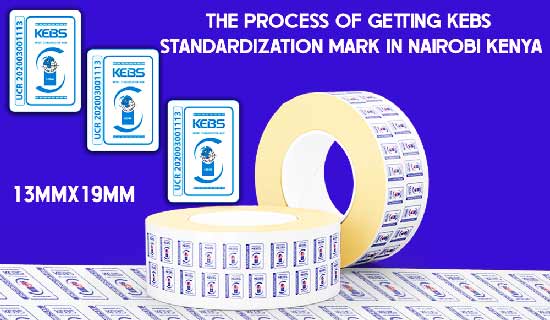
If you want to sell packaged mushroom products such as dried mushrooms, mushroom powder, soup mixes, or sauces in supermarkets in Kenya, you must comply with regulations set by the Kenya Bureau of Standards (KEBS) and other food safety authorities.
Supermarkets usually require KEBS certification before accepting your product because it assures customers that the product is safe, properly labeled, and meets national quality standards.
This guide explains the step-by-step compliance process for small food processors in Kenya.
1. Register Your Business
Before applying for KEBS certification, you must have a legally registered business.
Requirements
Register your business through the Business Registration Service.
Options include:
- Sole proprietorship
- Partnership
- Limited company
Documents required
- Certificate of Registration
- KRA PIN certificate
- National ID or passport
This step allows you to operate legally and apply for regulatory approvals.
2. Obtain Food Handling Certification
Anyone involved in food processing must have a Food Handler’s Certificate issued by the county government.
Process
- Visit your county public health office.
- Undergo a medical examination.
- Receive a Food Handler’s Certificate.
This ensures food is processed by healthy personnel under hygienic conditions.
3. Get Public Health Approval for Your Processing Premises
Your processing location must be inspected and approved by the county public health department.
Requirements for the processing area
- Clean floors and walls
- Proper ventilation
- Adequate lighting
- Running water
- Waste disposal system
- Pest control measures
Once approved, you receive a Public Health Certificate.
4. Apply for KEBS Standardization Mark (SM)
To sell locally produced packaged food products in Kenya, you must obtain the Standardization Mark (SM) from the **Kenya Bureau of Standards.
Steps to apply
- Create an account on the KEBS SM Certification portal.
- Submit the application form.
- Provide required documents.
Documents required
- Business registration certificate
- KRA PIN certificate
- Product formulation details
- Manufacturing process description
- Packaging artwork/label draft
KEBS then begins the product certification process.
5. Product Testing in KEBS Laboratories
KEBS requires food products to undergo laboratory testing to ensure safety and quality.
For mushroom products, tests may include:
- Microbial contamination tests
- Moisture content
- Chemical safety analysis
- Shelf-life testing
Samples are submitted to KEBS-approved laboratories.
Testing ensures your product is safe for human consumption.
6. Factory Inspection
After testing, KEBS inspectors visit your production facility.
They check for:
- Cleanliness
- Food safety procedures
- Proper storage
- Production records
- Packaging processes
Small cottage processors can still qualify if basic hygiene standards are maintained.
7. Product Label Approval
All packaged food products in Kenya must have approved labeling according to KEBS standards.
Mandatory label information
Your product label must include:
1. Product name
Example: “Dried Oyster Mushrooms”
2. Net weight
Example: 100g
3. Ingredients list
Example: 100% dried oyster mushrooms
4. Manufacturer details
- Company name
- Physical address
- Phone number
5. Batch number
6. Manufacture date
7. Expiry date
8. Storage instructions
Example:
“Store in a cool dry place”
9. KEBS Standardization Mark
After certification, the SM logo must appear on the label.
8. Obtain KEBS Standardization Mark License
If your product passes testing and inspection, KEBS issues a Standardization Mark License.
This allows you to legally place the SM mark on your products.The SM mark signals that your product meets Kenyan quality standards.
9. Register Product with the Kenya Revenue Authority (Optional for VAT)
If your sales grow, you may need to register for tax compliance with the **Kenya Revenue Authority.
This allows you to issue VAT-compliant invoices to supermarkets.
10. Supermarket Listing Requirements
Once KEBS approval is obtained, supermarkets typically require:
Product documentation
- KEBS certificate
- Product price list
- Company registration documents
- Product samples
Commercial terms
Supermarkets may require:
- Barcodes
- Consignment agreements
- Delivery schedules
Popular retail chains include:
- Naivas Supermarket
- Quickmart Supermarket
- Carrefour Kenya
11. Estimated Compliance Costs (Small Food Processor)
| Item | Estimated Cost (KSh) |
|---|---|
| Business registration | 1,000 – 10,000 |
| Food handler certificate | 1,000 – 2,000 |
| Public health inspection | 2,000 – 5,000 |
| KEBS application | 5,000 – 10,000 |
| Laboratory testing | 10,000 – 25,000 |
Estimated total:👉 KSh 20,000 – 50,000Costs vary depending on the product and scale of production.
12. Practical Shortcut for Small Producers
Many small food processors start by selling through:
- Farmers markets
- Direct orders
- Online platforms
- Restaurants
Then they pursue KEBS certification once demand grows.
This reduces startup risk.
13. Tips for Getting KEBS Approval Faster
- Keep your processing area very clean.
- Use food-grade packaging materials.
- Ensure labels meet all required information.
- Maintain basic production records.
- Avoid exaggerated health claims on labels.
Conclusion
Getting KEBS certification is the key step to entering major supermarkets in Kenya with packaged mushroom products. While the process requires documentation, inspections, and testing, it protects consumers and builds trust in your brand.
For mushroom farmers and food processors, compliance opens the door to higher-value retail markets and long-term business growth.