KSh 50,000 Pawpaw Orchard Startup Plan (Kenya)
📌 1. Project Overview
- Land size: ¼ acre
- Plant population: 100–120 pawpaw trees
- Spacing: 2m × 2m (intensive) or 2.5m × 2.5m (recommended)
- Maturity: 6–8 months
- Economic lifespan: 2–3 years
🌿 Recommended Varieties (Go Hybrid)
Choose certified hybrid, hermaphrodite varieties:
- Red Royale F1 – high yield, market favorite
- Malkia F1 (dwarf) – good for small plots
- Red Lady – fast maturity, reliable
- Solo Sunrise – sweet, export quality
👉 Source from trusted suppliers like:
- Stawi Seeds Ltd
- Imagine Care Limited
💰 2. Budget Breakdown (KSh 50,000)
| Item | Cost (KSh) |
|---|---|
| Land preparation (ploughing/digging) | 5,000 |
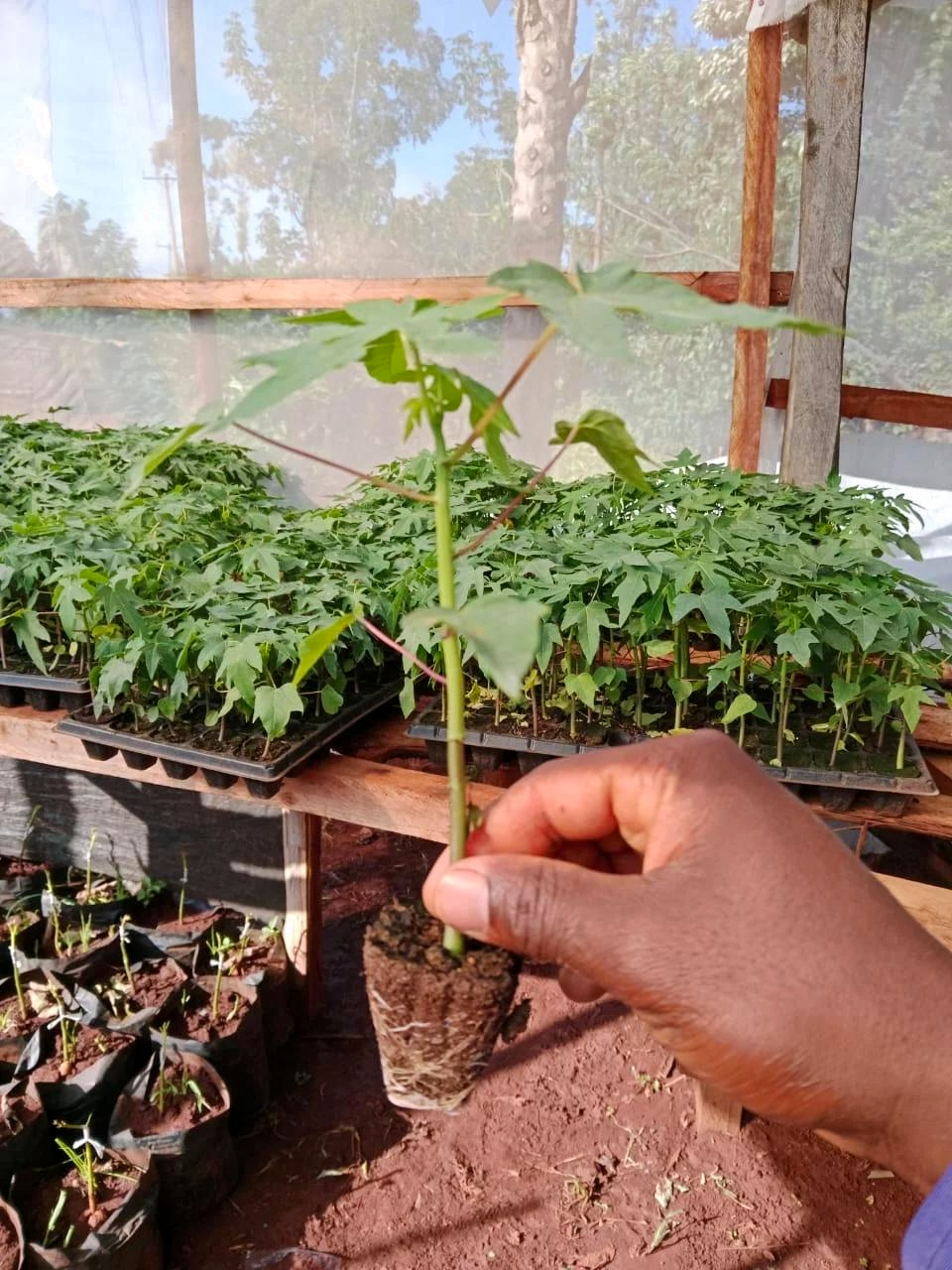
| Certified seedlings (120 @ 80–100 each) | 10,000 |
| Manure (2–3 tons) | 6,000 |
| DAP fertilizer (1 bag) | 6,500 |
| CAN fertilizer (top dressing) | 6,500 |
| Watering setup (pipes/jerricans/basic drip) | 5,000 |
| Mulch (dry grass/organic matter) | 2,000 |
| Chemicals (fungicides + insecticides) | 4,000 |
| Labor (planting + initial care) | 3,000 |
| Contingency | 2,000 |
| Total | ≈ 50,000 |
🧑🌾 3. Step-by-Step Establishment Plan
Week 1–2: Land Preparation
- Clear land
- Dig holes (2ft × 2ft × 2ft)
- Mix topsoil with manure
Week 3: Planting
- Plant at onset of rains or irrigate
- Water immediately
- Apply mulch
👉 Tip: Plant 2 seedlings per hole, remove weak one later
Month 1–3: Early Growth
- Water 2–3 times weekly
- Weed regularly
- Spray against pests/diseases
Month 2–4: Top Dressing
- Apply CAN fertilizer
- Start pest/disease monitoring
Month 5–6: Flowering Stage
- Remove weak/male plants
- Retain strong hermaphrodite plants
Month 6–8: Harvest Begins
- Fruits ready for market
🐛 4. Pest & Disease Control (Basic Program)
Common issues:
- Aphids
- Whiteflies
- Powdery mildew
- Anthracnose
Control approach:
- Spray every 10–14 days
- Use:
- Insecticides (e.g. imidacloprid-based)
- Fungicides (e.g. mancozeb)
👉 Keep it simple and consistent for beginners
💵 5. Expected Returns (Realistic)
Yield Estimate
- 80–100 productive trees
- 30–50 fruits per tree/year
👉 Total: 3,000 – 5,000 fruits
Selling Price (Kenya)
- KSh 30–50 per fruit (farm gate)
Revenue
- Low estimate: 3,000 × 30 = 90,000
- High estimate: 5,000 × 50 = 250,000
👉 Profit potential:
KSh 40,000 – 200,000 within first year
📈 6. Profit Boosting Tips
- Sell to:
- Local markets
- Fruit vendors
- Juice businesses
- Do value addition:
- Fresh juice
- Sliced fruit packs
- Practice:
- Mulching (retain moisture)
- Drip irrigation (water efficiency)
- Proper spacing (reduce disease)
⚠️ 7. Common Mistakes to Avoid
- ❌ Buying uncertified seedlings
- ❌ Poor drainage (pawpaw hates waterlogging)
- ❌ Ignoring pests early
- ❌ Overcrowding plants
- ❌ No market plan
🔄 8. Expansion Strategy
After first harvest:
- Reinvest profits
- Expand to ½ acre or 1 acre
- Introduce irrigation for year-round production
🧠 Final Insight
Pawpaw is one of the fastest-paying fruit ventures in Kenya, but success depends on:
- Quality seedlings
- Consistent care
- Market access
Start small, manage well, then scale, that’s how you turn KSh 50,000 into a reliable income stream.