Mandazi Business in Kenya: A Simple Snack That Can Make You Daily Cash
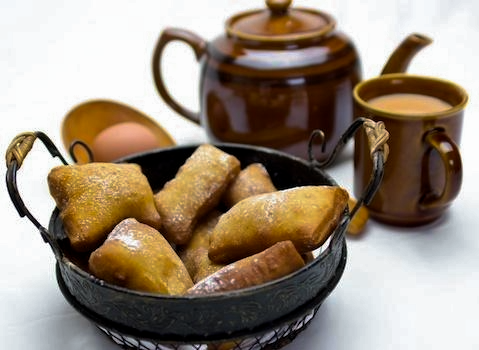
Mandazi is one of the most loved snacks in Kenya. It is affordable, filling, and widely consumed for breakfast or as a quick snack with tea. In estates, villages, markets, bus stops, and schools, mandazi sellers rarely lack customers.
Because the ingredients are inexpensive and the demand is consistent, selling mandazi can be a very viable small business, especially for beginners who want to start with limited capital.
This guide explains how profitable the mandazi business can be, how to start, the equipment required, and how to make soft, tasty mandazi that customers will love.
Why Mandazi Is a Good Business in Kenya
There are several reasons why mandazi selling works well as a small business:
1. Very High Daily Demand
Mandazi is commonly eaten with tea in the morning and evening.
2. Affordable for Customers
Small mandazi sell for KSh 5, while larger ones sell for KSh 10, making them accessible to almost everyone.
3. Low Starting Capital
You can start with KSh 2,000 – 5,000 depending on the equipment you already have.
4. Fast Moving Product
Unlike many foods, mandazi sell quickly and are rarely stored for long.
5. Easy to Learn
The preparation process is simple and can be mastered within a few days.
How Many Mandazi Can One Packet of Flour Produce?
A 2 kg packet of wheat flour (unga) costs about KSh 180. When mixed with sugar, water, and other ingredients, the dough expands significantly.
On average:
- 1 packet (2kg) flour can produce about 110 – 140 medium mandazi
- If making smaller KSh 5 mandazi, you can produce 150 – 180 pieces
Example Revenue
If you make 150 small mandazi:
- Selling price = KSh 5
- Total revenue = 150 × 5 = KSh 750
Estimated production cost:
| Item | Cost |
|---|---|
| Flour (2kg) | 180 |
| Sugar | 60 |
| Cooking oil (shared cost) | 120 |
| Baking powder | 10 |
| Salt & spices | 10 |
| Charcoal/firewood | 40 |
Total cost ≈ KSh 420
Possible gross profit per batch = KSh 750 – 420 = KSh 330
If you fry two batches per day, you could make: KSh 600 – 700 per day
Monthly income potential (26 days):KSh 15,000 – 18,000
Many sellers increase profits by adding tea, samosas, or chapati to their stall.
Equipment Needed to Start a Mandazi Business
The good thing about mandazi is that the equipment is simple and affordable.
Basic Equipment
| Item | Estimated Cost (KSh) |
|---|---|
| Deep frying pan (karai) | 800 – 1500 |
| Cooking stove (charcoal or gas) | 1000 – 3000 |
| Large basin for mixing dough | 300 |
| Cooking spoons | 150 |
| Knife or dough cutter | 100 |
| Plastic bucket (ingredients) | 200 |
| Serving tray or container | 300 |
| Small stall/table | 1500 – 3000 |
Estimated starting budget: KSh 4,000 – 8,000
You can start smaller by cooking from home and selling outside your house or near a roadside.
Best Places to Sell Mandazi
Location is one of the biggest factors in success.
Good selling spots include:
- Residential estates
- Near schools
- Bus stops and stages
- Market entrances
- Near construction sites
- Rural shopping centers
- Near small tea kiosks
Morning hours (6am – 10am) usually have the highest demand.
Ingredients Needed to Make Mandazi
Typical ingredients include:
- 2 kg wheat flour
- 6–8 tablespoons sugar
- 1 teaspoon salt
- 1 tablespoon baking powder
- Warm water
- 2 tablespoons cooking oil or margarine
- Optional flavorings:
- Coconut milk
- Cardamom (iliki)
- Milk
- Vanilla
These ingredients make mandazi soft, fluffy and flavorful.
Step-by-Step Process of Making Tasty Mandazi
Step 1: Mix Dry Ingredients
In a large basin mix:
- Flour
- Sugar
- Salt
- Baking powder
- Optional spices like cardamom
Mix well to distribute the ingredients evenly.
Step 2: Add Liquid
Slowly add:
- Warm water or milk
- A small amount of oil or margarine
Mix until a soft dough forms.
Do not make the dough too hard.
Step 3: Knead the Dough
Knead for 8 – 10 minutes until smooth.
Kneading improves the texture and makes mandazi soft.
Step 4: Rest the Dough
Cover the dough and allow it to rest for 30 – 45 minutes.This step helps the mandazi become fluffy when fried.
Step 5: Roll and Cut
- Roll the dough flat using a rolling pin or bottle.
- Thickness should be about 1 cm.
- Cut into triangles, squares, or circles.
Step 6: Heat Cooking Oil
Heat oil in a deep frying pan.
Test the oil by dropping a small piece of dough, if it rises quickly, the oil is ready.
Step 7: Fry the Mandazi
Place the dough pieces in hot oil.
Fry until golden brown, turning occasionally.
Remove and drain excess oil.
Tips for Making Mandazi That Sell Fast
Successful mandazi sellers focus on taste and consistency.
Key Tips
✔ Use slightly sweet dough
✔ Add cardamom or coconut milk for flavor
✔ Do not overcrowd the frying pan
✔ Maintain medium heat to avoid burning
✔ Make mandazi soft and fluffy
✔ Serve while still fresh and warm
Customers often return when mandazi taste better than competitors.
Simple Daily Mandazi Business Routine
A typical routine for a small mandazi stall could be:5:30am – 6:30am
Prepare dough and heat oil6:30am – 9:30am
Fry and sell morning batch10:00am – 4:00pm
Rest or prepare another batch4:00pm – 7:00pm
Sell evening mandazi with tea
This schedule can bring steady daily cash flow.
Challenges in the Mandazi Business
Like any business, mandazi selling has challenges:
- Rising cooking oil prices
- Competition from other vendors
- Rain affecting outdoor stalls
- Unsold mandazi if production is too high
However, with a good location and consistent quality, these challenges can be managed.
Final Thoughts
Mandazi may seem like a simple snack, but it has supported thousands of small businesses across Kenya.
With a small investment, good location, and tasty recipe, a mandazi stall can generate daily income and grow into a bigger food business.
Many successful entrepreneurs started with simple food stalls before expanding into cafés, bakeries, or snack shops.
For anyone looking for a low-capital, fast-moving food business, mandazi selling is one of the easiest and most practical ventures to start in Kenya.