Mushroom Farming in Kenya: A Complete Beginner’s Guide
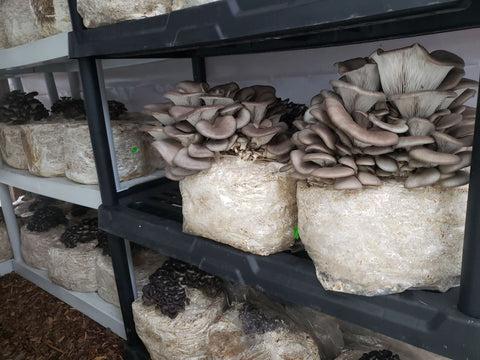
Mushroom farming is one of the fastest-growing agribusiness opportunities in Kenya. The crop requires very little land, relatively low capital, and has a growing market in supermarkets, hotels, and export markets. Many small-scale farmers are turning to mushrooms because they can be grown indoors, all year round, and mature quickly compared to traditional crops.
Kenya currently produces about 500 tons of mushrooms annually, yet demand exceeds 1,200 tons, forcing the country to import additional supply. This gap creates a strong opportunity for new farmers entering the industry.
This guide covers everything a beginner needs to know about mushroom farming in Kenya, including the best varieties, requirements, markets, costs, and practical tips.
1. Why Mushroom Farming is Profitable in Kenya
Mushroom farming has several advantages compared to traditional farming:1. Requires very little land
- Can be done in a small room, shed, or simple structure.
2. Fast maturity
- Some mushrooms mature in 3–4 weeks after planting.
3. Uses agricultural waste
- Materials like wheat straw, maize stalks, and sawdust are used as growing media.
4. High market price
- Fresh oyster mushrooms can sell for KSh 400–600 per kg in urban markets.
5. Year-round production
- Because mushrooms are grown indoors, production is not affected by seasons.
2. Common Types of Mushrooms Grown in Kenya
1. Oyster Mushrooms (Best for Beginners)
7Oyster mushrooms are the most popular choice for small-scale farmers in Kenya because they are easy to grow and adapt well to different environments. Characteristics
- Fast growth (3–4 weeks)
- High yield
- Grows on agricultural waste
- Requires simple structures
Growing conditions
- Temperature: 20–30°C
- Humidity: 85–95%
- Low light conditions
- Good ventilation
Yield
- 1 kg of spawn can produce 3–5 kg of mushrooms.
2. Button Mushrooms
8Button mushrooms are the most widely consumed mushrooms globally and dominate production in Kenya. Characteristics
- Common in supermarkets
- White round cap
- Used in stews, pizzas, and salads
Growing conditions
- Temperature: 18–24°C
- Requires composted manure substrate
- Needs controlled growing rooms
Button mushrooms are profitable but more difficult to grow than oyster mushrooms.
3. Shiitake Mushrooms
6Shiitake mushrooms are considered premium gourmet mushrooms.
Characteristics
- High market value
- Popular with restaurants
- Strong flavor
Growing conditions
- Hardwood logs or sawdust blocks
- Humidity: 85–95%
- Temperature: 20–25°C
- Takes 6–12 months to produce on logs.
3. Basic Requirements for Mushroom Farming
1. Mushroom Growing House
A mushroom house can be constructed using:
- Timber frame
- Polythene sheets
- Mud walls or iron sheets
- Shade nets
Important features:
- Cool temperatures
- High humidity
- Proper ventilation
- Clean environment
2. Substrate (Growing Medium)
Mushrooms grow on organic materials instead of soil.
Common substrates include:
- Wheat straw
- Rice straw
- Sawdust
- Maize cobs
- Sugarcane bagasse
These materials must be pasteurized or sterilized to remove harmful organisms.
3. Mushroom Spawn (Seeds)
Spawn is the mushroom equivalent of seeds.
Quality spawn should be purchased from:
- Agricultural research institutions
- Certified spawn producers
- Universities
Poor spawn quality is one of the main causes of crop failure.
4. Water Supply
Mushrooms require constant moisture to maintain high humidity levels.
Farmers usually use:
- Hand sprayers
- Mist irrigation systems
4. Step-by-Step Mushroom Production Process
Step 1: Prepare the Growing Structure
Build a small mushroom house or convert a room.
Step 2: Prepare the Substrate
- Chop straw or agricultural waste.
- Pasteurize by soaking in hot water.
- Drain excess water.
Step 3: Inoculation
Mix mushroom spawn with the substrate.
Step 4: Bagging
Pack the mixture into plastic bags with small holes.
Step 5: Incubation
Keep the bags in a dark room for 2–3 weeks until white mycelium spreads.
Step 6: Fruiting
Transfer bags to the fruiting room with higher humidity.
Step 7: Harvesting
Harvest mushrooms when caps open fully.
5. Estimated Startup Budget for Beginners (Kenya)
Example: Small oyster mushroom project (200 bags)
| Item | Estimated Cost (KSh) |
|---|---|
| Mushroom house construction | 15,000 |
| Shelves or racks | 10,000 |
| Spawn | 6,000 |
| Substrate materials | 5,000 |
| Polythene bags | 2,000 |
| Water sprayer & tools | 2,000 |
| Disinfectants | 1,000 |
Estimated total startup cost:
👉 KSh 35,000 – KSh 45,000Production potential:
- 200 bags × 1.5–2 kg per bag
- Yield: 300–400 kg mushrooms
Revenue estimate:
- 350 kg × KSh 400
= KSh 140,000 per cycle
Cycle duration: 4–6 weeks
6. Markets for Mushrooms in Kenya
Mushroom demand is rising rapidly in Kenya due to health awareness and increased use in restaurants.
Main buyers
1. Hotels and restaurants
- High demand for fresh mushrooms.
2. Supermarkets
- Packaged mushrooms sell well.
3. Open-air markets
- Growing acceptance among consumers.
4. Food processors
- Mushroom powder
- Mushroom soup mixes
5. Export market
- Dried mushrooms exported to Europe and Asia.
7. Value Addition Opportunities
Farmers can increase profits by processing mushrooms into:
- Dried mushrooms
- Mushroom powder
- Mushroom soup
- Mushroom sauces
- Mushroom snacks
Drying greatly extends shelf life and reduces transport costs.
8. Common Challenges in Mushroom Farming
- Contamination
- Poor hygiene can destroy the crop.
- Market access
- Mushrooms spoil quickly.
- Temperature control
- Excess heat reduces yields.
- Limited technical knowledge
However, these challenges can be solved with proper training and good farm management.
9. Tips for Success
1. Start small
Begin with 100–200 bags.2. Secure market before production
Hotels and supermarkets are reliable buyers.3. Maintain strict hygiene
Cleanliness is critical in mushroom farming.4. Buy high-quality spawn5. Control humidity
Maintain 85–95% humidity for best yields.
Conclusion
Mushroom farming is one of the most promising small-scale agribusiness opportunities in Kenya. It requires little land, relatively low capital, and offers quick returns. With demand for mushrooms increasing locally and internationally, farmers who master production and marketing can build a profitable and sustainable business.
For beginners, oyster mushrooms are the best starting point due to their low cost and simple production requirements. Once experience is gained, farmers can expand into button and gourmet mushrooms for higher profits.