Pawpaw Farming in Kenya: A Complete Guide for 1 Acre Investment
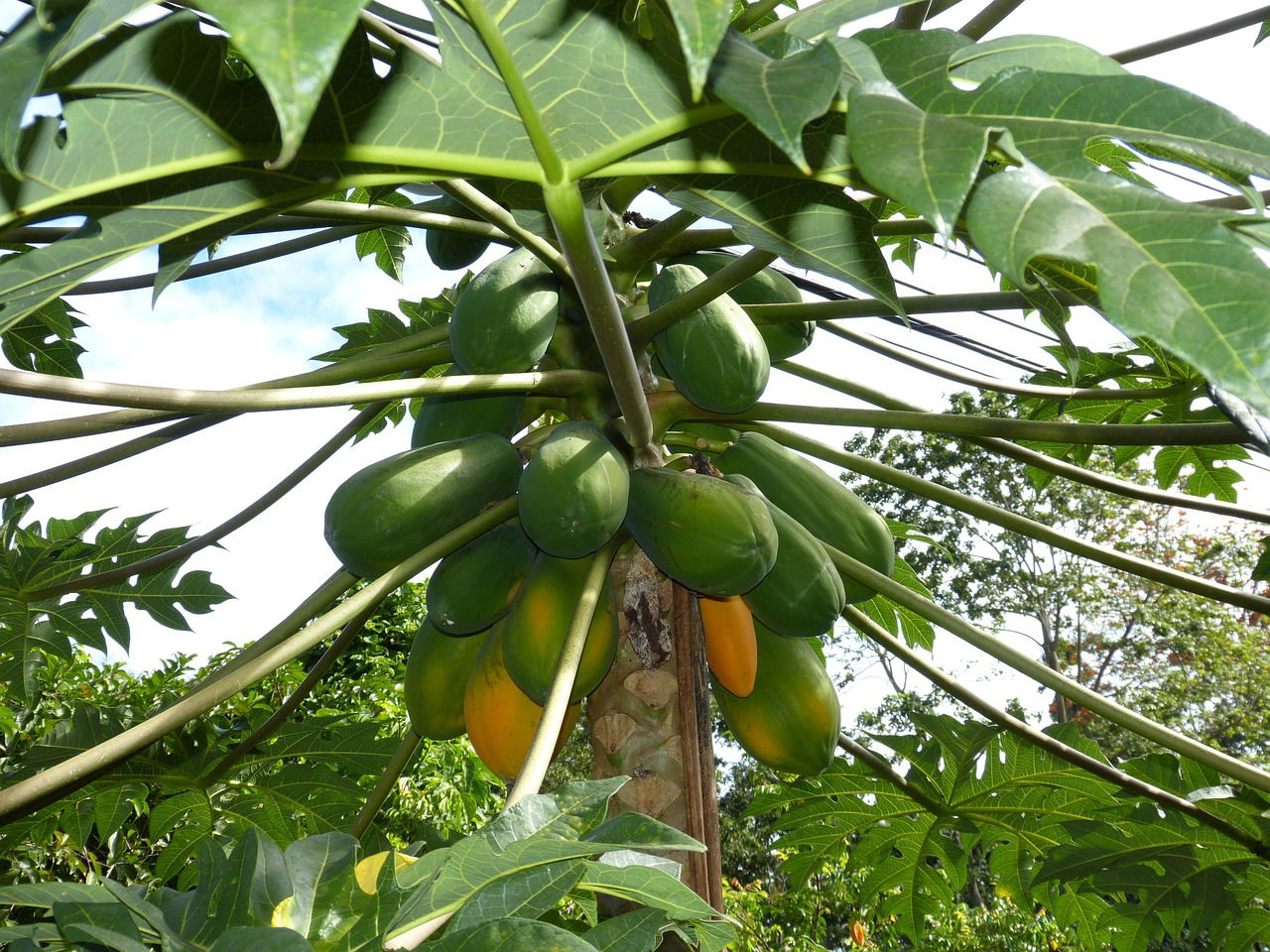
Pawpaw (papaya) farming is one of the fastest-returning fruit farming ventures in Kenya. The crop grows quickly, begins producing fruits within the first year, and has strong demand in local markets, supermarkets, and juice processing industries. For small-scale farmers and agripreneurs, cultivating 1 acre of pawpaws can be a profitable venture when done with proper planning and management. This guide explains everything you need to know—from land preparation to harvesting, marketing, budgeting, and profitability.
1. Climate and Soil Requirements
Pawpaws grow well in warm tropical climates and can thrive in many regions of Kenya.
Ideal conditions
- Temperature: 21°C – 33°C
- Soil pH: 5.5 – 7.5
- Soil type: Deep, well-drained loamy soil
- Rainfall: 1000–1500 mm annually or irrigation
The crop does not tolerate waterlogged soils because its roots rot easily.
2. Types of Pawpaws Grown in Kenya
Several varieties are grown commercially in Kenya. Choosing the right variety greatly influences productivity.
Common varieties
1. Solo Sunrise
- Medium sized fruits
- Sweet taste
- Good for fresh market
2. Red Royale F1
- High yielding hybrid
- Large fruits
- Popular among commercial farmers
3. Calina IPB9 (California Papaya)
- High productivity
- Fruits weigh 0.5–1.2 kg
4. Mountain Pawpaw
- Grows well in cooler highland areas
Hybrid varieties such as Red Royale and Calina are preferred because they produce earlier and resist diseases better.
3. Land Preparation
Proper land preparation improves root growth and yields.
Steps
- Clear the land
- Remove bushes, weeds and tree stumps.
- Plough the land
- Plough 2–3 times to about 30–45 cm depth to obtain a fine tilth and improve drainage.
- Soil testing
- Conduct soil testing to determine fertilizer requirements.
- Dig planting holes
- Holes should measure 45–60 cm deep and wide.
4. Nursery Preparation and Sowing Seeds
Most farmers raise seedlings in a nursery before transplanting.
Seed preparation
- Obtain seeds from ripe pawpaw fruits or certified suppliers.
- Wash the seeds.
- Dry them in shade.
- Soak the seeds for about 48 hours before planting to improve germination.
Preparing the nursery
- Prepare raised seedbeds.
- Mix:
- Topsoil
- Sand
- Well-decomposed manure.
Sowing seeds
- Plant seeds 1 cm deep
- Space them about 5–10 cm apart
- Water regularly.
Seeds usually germinate within 2–3 weeks.
5. Transplanting Pawpaw Seedlings
Seedlings are ready for transplanting 6–8 weeks after germination.
How to transplant
- Fill planting holes with:
- Topsoil
- 10 kg well-decomposed manure
- 100 g Triple Super Phosphate (TSP)
- Water the hole.
- Carefully remove seedlings from the nursery.
- Place the seedling upright and cover with soil.
- Water immediately after planting.
Planting should preferably be done during rainy seasons (March–May or October–November).
6. Ideal Spacing and Plant Population
Spacing affects yield, fruit size, and disease control. Recommended spacing:
- 2 m × 2 m for dwarf varieties
- 2.5 m × 2.5 m or 3 m × 3 m for standard varieties.
Trees per acre
Depending on spacing:
- 400 – 1,000 trees per acre.
7. Fertilizer and Manure Requirements
Pawpaws are heavy feeders.
At planting
Apply per hole:
- 10 kg well-decomposed manure
- 100 g Triple Super Phosphate.
After planting
Apply fertilizer every 2–3 months:
- NPK fertilizer
- Additional manure
- Mulch around plants.
This promotes strong vegetative growth and fruit production.
8. Crop Management Until Harvest
Irrigation
Young pawpaws require regular watering, especially during dry seasons.
Mulching
Mulch helps:
- Retain soil moisture
- Suppress weeds
- Improve soil fertility.
Weed control
Weed regularly to reduce competition.
Staking
Young trees should be supported to prevent wind damage.
Pest and disease control
Common pests include:
- Aphids
- Mealybugs
- Spider mites
- Thrips
Common diseases include:
- Anthracnose
- Damping off
- Papaya mosaic virus.
Use certified seedlings, good field hygiene, and appropriate pesticides when necessary.
9. Growth Timeline and Harvesting
Pawpaw grows very quickly. Typical growth stages:
- Flowering: 3–6 months after planting
- First fruits: 8–12 months
- Peak production: Year 2–3
Fruits are ready for harvesting when they start turning yellow. Harvest carefully to avoid bruising.
10. Expected Yield per Acre
Under proper management:
- 30–40 tonnes per acre annually.
Each tree can produce:
- 50–100 fruits per year depending on the variety.
11. Potential Markets for Pawpaw in Kenya
Pawpaw is widely consumed and has many market opportunities.
Local markets
- Open-air markets
- Grocery shops
- Supermarkets
- Roadside fruit vendors
Institutional markets
- Hotels and restaurants
- Juice processors
- Fruit exporters
Farmers can also add value through:
- Pawpaw juice
- Dried pawpaw
- Fruit salads.
12. Pawpaw Prices in Kenya
Prices vary depending on season and demand. Typical farm-gate prices:
- KSh 30 – 60 per kg.
13. Tentative Budget for 1 Acre Pawpaw Farm
Estimated startup cost:
| Item | Estimated Cost (KSh) |
|---|---|
| Land preparation | 4,500 |
| Digging planting holes | 33,000 |
| Manure | 20,000 |
| Seedlings | 66,000 |
| Crop protection | 10,000 |
| Irrigation | 20,000 |
| Labour | 20,000 |
Total startup cost
≈ KSh 173,500 per acre.
14. Potential Income from 1 Acre
Example calculation: Yield: 30,000 kg per acre Selling price: KSh 30 per kgRevenue:30,000 × 30 = KSh 900,000Estimated profit after costs:≈ KSh 726,500 in the first year. Since pawpaw trees remain productive for 2–3 years, profits can increase significantly over time.
15. Does Pawpaw Farming Make Business Sense?
Yes, pawpaw farming can be profitable because:
Advantages
- Fast returns (harvest within 8–12 months)
- Strong local demand
- Continuous fruit production
- Suitable for small land sizes
Challenges
- Sensitive to waterlogging
- Susceptible to diseases
- Fruits are highly perishable
- Market price fluctuations
Proper management and market planning are key to success.
16. Practical Tips for Successful Pawpaw Farming
- Use certified hybrid seedlings.
- Install irrigation systems for dry seasons.
- Plant during the rainy season.
- Maintain regular pest and disease monitoring.
- Mulch the plants to conserve moisture.
- Secure buyers early before harvest.
- Consider value addition such as juice or dried pawpaw.
Conclusion
Pawpaw farming is one of the most promising fruit agribusiness ventures in Kenya, especially for farmers with small land sizes such as one acre. With proper management, an acre can produce 30–40 tonnes annually and generate hundreds of thousands of shillings in revenue. For entrepreneurs looking for a fast-return agricultural venture, pawpaw farming offers a good balance of low startup costs, quick maturity, and strong market demand.