Pawpaw Juice Production SOP in Kenya
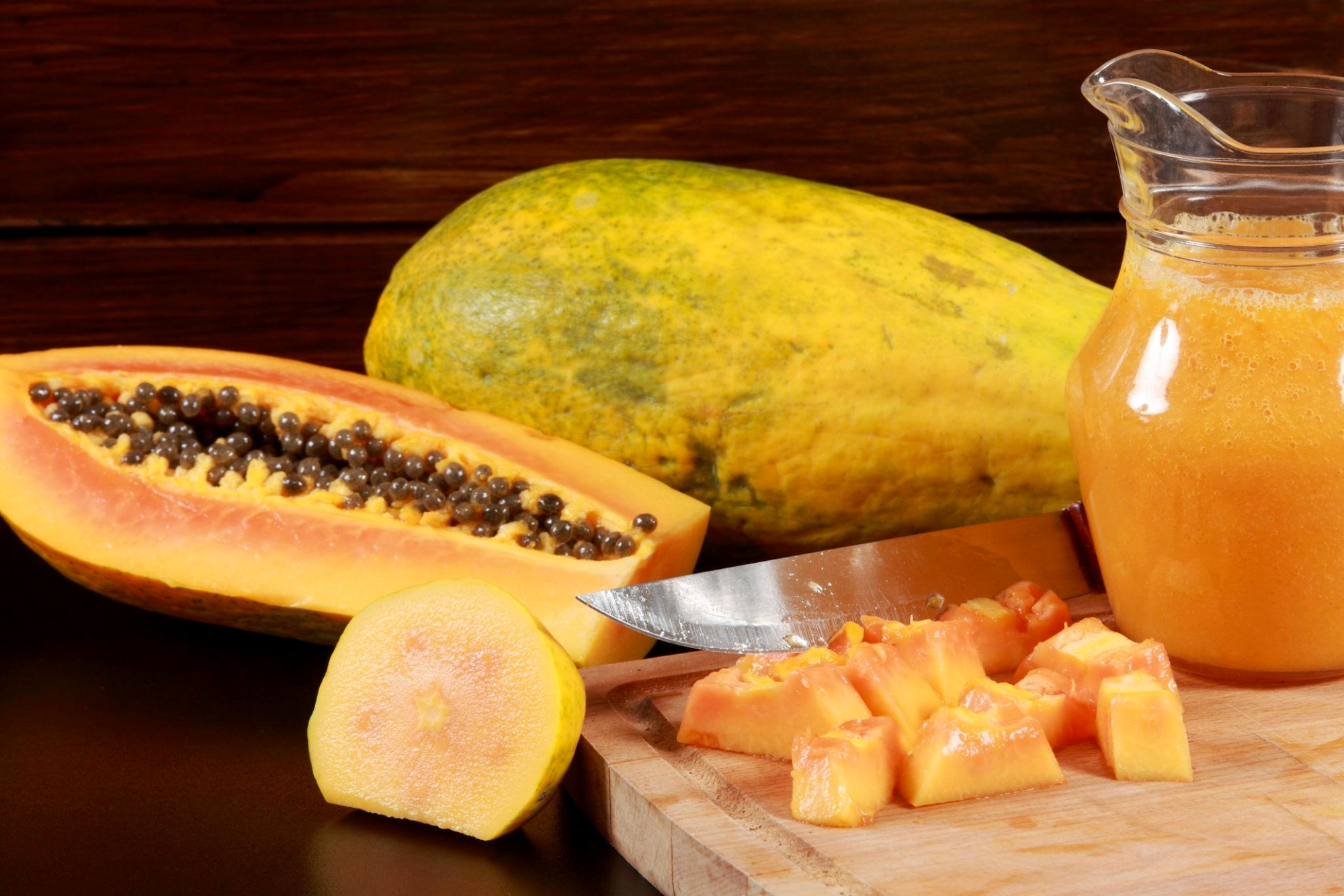
📌 1. Objective
To produce safe, high-quality, great-tasting pawpaw juice for sale while maintaining hygiene, consistency, and profitability.
🧼 2. Hygiene & Safety Requirements (NON-NEGOTIABLE)
Before production:
- Wear clean apron, hairnet, gloves
- Wash hands with soap
- Use clean, food-grade equipment
- Use clean water (boiled or treated)
👉 This is critical if you plan to scale and meet standards from
Kenya Bureau of Standards
🥭 3. Raw Materials
- Ripe pawpaw (firm but fully colored)
- Clean water
- Sugar (optional)
- Lemon juice (natural preservative)
👉 Avoid:
- Overripe (fermented smell)
- Unripe (bitter taste)
🛠️ 4. Equipment Needed
- Sharp knives
- Cutting board
- Blender (commercial preferred)
- Sieve or muslin cloth
- Food-grade buckets
- Measuring jug
- Bottles (plastic or glass)
- Refrigerator or cooler
🔄 5. Step-by-Step Production Process
Step 1: Fruit Selection
- Select ripe, healthy fruits
- Reject damaged or rotten fruits
Step 2: Washing & Sanitizing
- Wash thoroughly in clean water
- Optional: use mild salt solution or food sanitizer
Step 3: Peeling & Deseeding
- Peel outer skin
- Cut into halves
- Remove all seeds
👉 Seeds cause bitterness if blended
Step 4: Cutting & Pulp Preparation
- Cut into small cubes
- Remove any hard parts
Step 5: Blending
- Add pulp into blender
- Add clean water (1:1 ratio or adjust)
- Blend until smooth
👉 Optional:
- Add sugar to taste
- Add lemon juice (improves taste & shelf life)
Step 6: Sieving (Optional but Recommended)
- Use sieve or cloth
- Remove fibers for smooth texture
Step 7: Bottling
- Use clean, sterilized bottles
- Fill immediately after processing
- Seal tightly
Step 8: Storage
- Store in fridge or cooler
- Keep at low temperature
👉 Shelf life:
- Fresh (no preservatives): 2–3 days refrigerated
⚖️ 6. Quality Control Checklist
Before selling, ensure:
- Color: bright orange
- Taste: sweet, not sour
- Smell: fresh (no fermentation)
- Texture: smooth
📦 7. Packaging & Labeling
Include:
- Brand name
- Phone number
- “Fresh • No Preservatives”
- Production date
💵 8. Yield Guide
- 1 medium pawpaw → ~500ml juice
- 10 fruits → ~5 liters
- 100 fruits → ~50 liters
⚠️ 9. Common Mistakes to Avoid
- ❌ Using dirty water
- ❌ Poor hygiene
- ❌ Over-diluting juice
- ❌ Not refrigerating
- ❌ Using spoiled fruits
📈 10. Scaling Tips
- Start manual → upgrade to juice extractor
- Introduce:
- Mixed juices (pawpaw + mango)
- Bulk supply to shops
🧠 Final Insight
Consistency is what builds a repeat customer base.
Even a small setup can become a daily cash business if:
- Taste is consistent
- Hygiene is top-notch
- Supply is reliable